

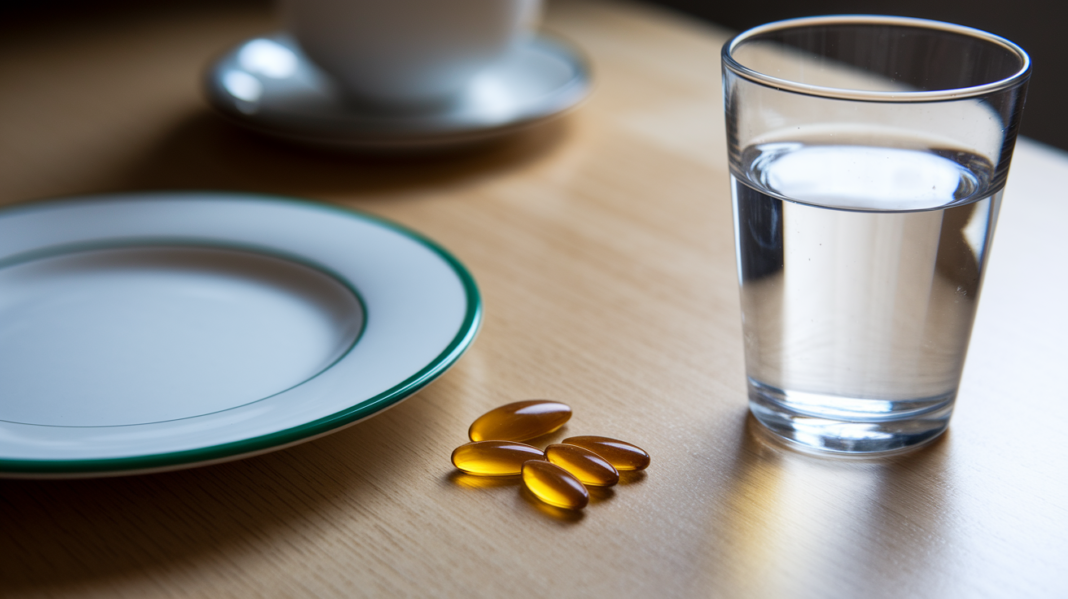

Think popping digestive enzymes on an empty stomach is a shortcut to better health?
Most of the time, it won’t help digestion. Enzymes need food to do their job.
Taking them hours from a meal can feel pointless, and for some people it causes nausea or a gnawing stomach.
There are claims about wider benefits like lowering inflammation, but the proof is limited and product-specific.
Read on to see when fasted enzyme use might be worth testing, what to watch for, and how to try it safely.
The Short Answer On Taking Enzymes While Fasting

If your goal is meal support, digestive enzymes should generally go down right before eating, or right along with your first few bites. That’s when they’ve actually got food to work on. Taking digestive enzymes on an empty stomach, hours from any meal, isn’t likely to do much for digestion. There’s simply nothing there yet for them to break down.
This kind of fasted use can also bring on nausea or mild stomach irritation for some people, especially with protease-based formulas. So it’s not something to assume is automatically fine or automatically helpful. Claims that fasted enzyme use supports systemic effects, easing inflammation, breaking down fibrin, speeding recovery, aren’t established for enzyme supplements as a category. What works for one product doesn’t necessarily apply to another. Follow your product’s label directions, and if you’re managing a diagnosed digestive condition, loop in a healthcare provider before changing how or when you take digestive enzymes on an empty stomach or with meals.
How Digestive Enzymes Support Normal Digestion
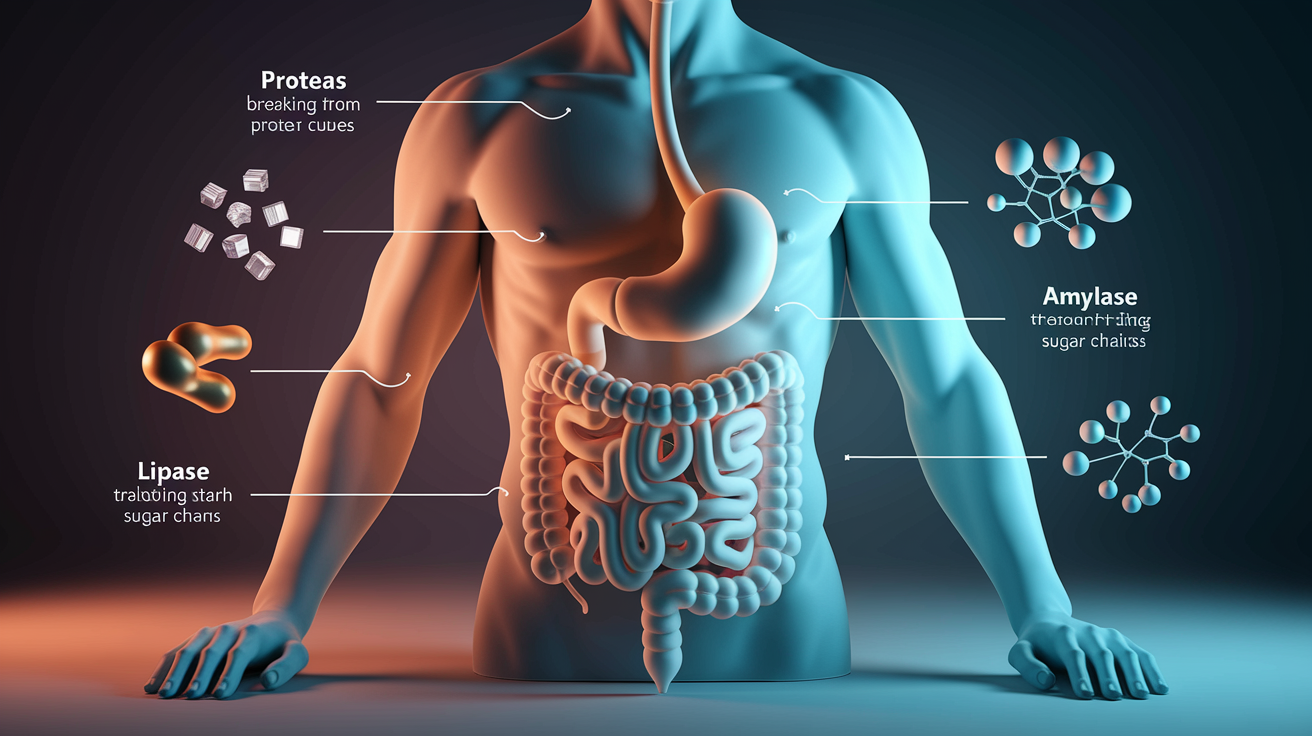
Digestive enzymes are proteins that act as biological catalysts. They speed up chemical reactions without getting used up in the process. Your body makes these naturally in several places, including your saliva, stomach, pancreas, and small intestine. Together they form a kind of relay team, breaking meals into pieces small enough for your body to absorb.
Each enzyme has its own job. Proteases go after proteins, like the ones in chicken, eggs, or beans, breaking them into smaller peptides and amino acids. Lipases target dietary fats, splitting them into fatty acids and glycerol so they can be absorbed. Amylases work on starches and carbohydrates, turning them into simpler sugars your body can actually use for energy. Lactase is specific to lactose, the sugar found in milk and dairy products.
For any of these enzymes to do their job well, a few things need to line up. There needs to be the right substrate present, meaning the actual food component the enzyme is built to act on. The pH needs to be appropriate too, since some enzymes work best in acidic environments while others prefer something more neutral. And there needs to be direct contact between the enzyme and the food as it moves through your digestive tract. Without these conditions, even a healthy enzyme supply won’t have much to do.
What Happens Physiologically Without A Meal Present
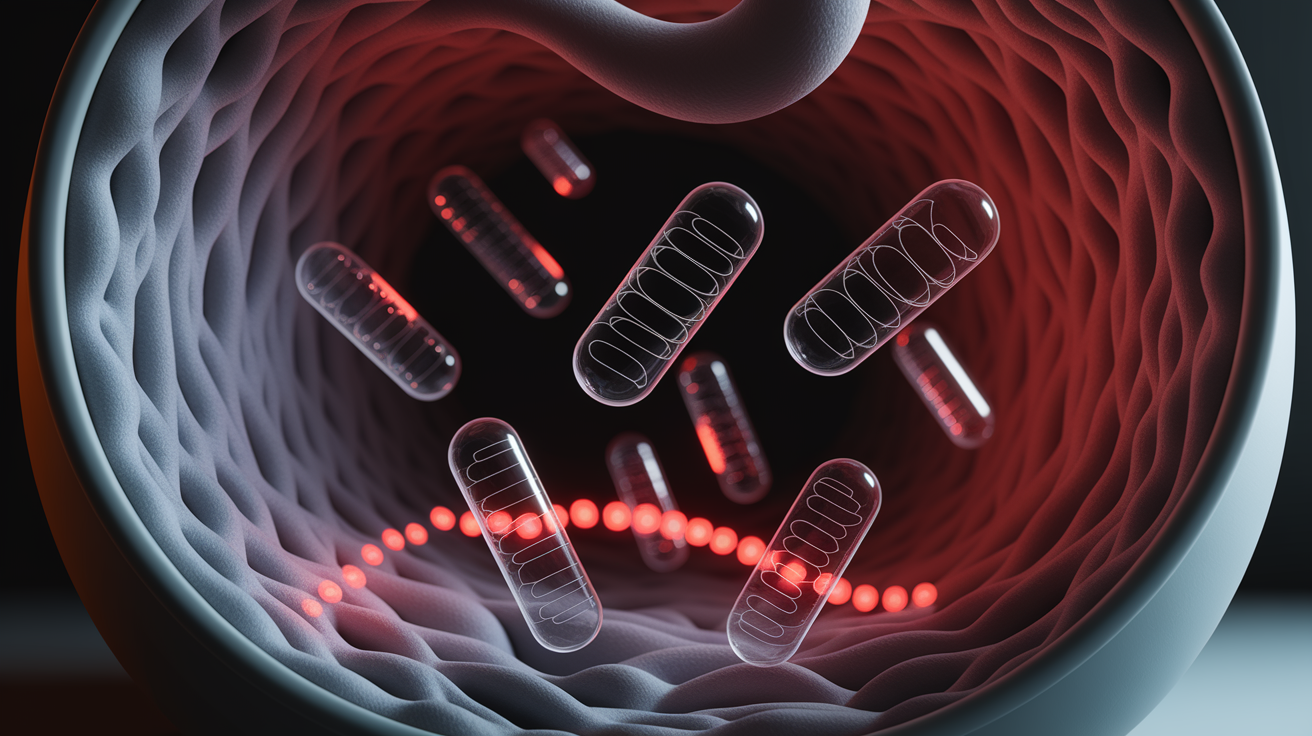
When there’s no food in your digestive tract, enzymes built to break down meal components run into a simple problem. There’s nothing there for them to work on. This matters a lot when we’re talking about digestive enzymes on an empty stomach, since the entire point of these enzymes is meal related breakdown.
Limited Substrate For Digestive Activity
Amylase, lipase, lactase, and protease are all substrate specific. Each one is built to act on a particular type of food molecule. Amylase needs carbohydrates. Lipase needs fat. Lactase needs lactose. Protease needs protein. So if you take these enzymes while fasting, with none of those substrates present, the enzyme doesn’t have a job to do. It’s a bit like showing up with tools for a task that isn’t happening yet. Taking enzymes while fasting, in this basic digestive sense, won’t help break down a meal that hasn’t been eaten.
Possible Nausea And Gastric Irritation
For some people, taking protease containing or multi enzyme supplements on an empty stomach can bring on nausea, cramping, abdominal discomfort, or what’s sometimes described as a gnawing sensation in the stomach. This isn’t universal though. How your body responds tends to depend on the specific ingredients in the formula, the dose you’re taking, how the product is made, and your own personal sensitivity. Some people take the same product without any noticeable issue, while others feel it right away. If you’re testing digestive enzymes on an empty stomach for the first time, paying attention to how your body reacts matters more than any general assumption.
Proposed Systemic Activity And Evidence Limits
You’ll sometimes see digestive enzyme products marketed with claims that go beyond digestion, suggesting the enzymes get absorbed into the bloodstream and support things like a healthy inflammatory response, fibrin breakdown, or exercise recovery. These are the kinds of claims often tied to systemic enzyme therapy concepts. Here’s the tricky part. This kind of claim needs strong, product specific clinical evidence, and that evidence isn’t established across enzyme supplements as a general category. Some preliminary research exists for certain enzyme types, but that’s different from a proven, universal effect you can expect from any bottle on a shelf. Don’t assume intact absorption or systemic health benefits just because a label mentions them. If you’re considering enzyme use for anything beyond digestion, that’s a conversation worth having with a healthcare provider first.
Practical Timing Windows For Digestive Enzyme Supplements
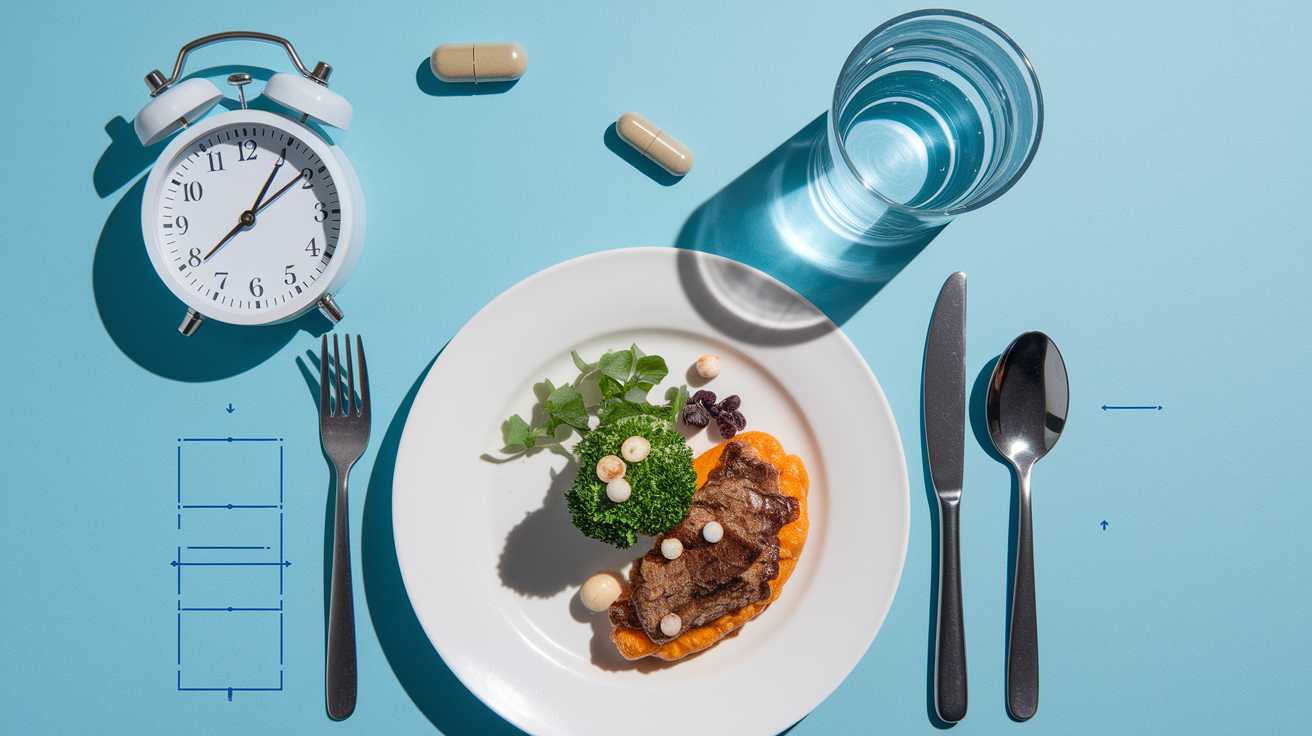
Timing can shift depending on the enzyme, the formulation, and what the product is actually meant to do. So before anything else, check your product’s label. It’s the most reliable source for how that specific supplement should be used, since directions can vary even between similar sounding products.
| Dosing Situation | Actionable Window | Practical Guidance |
|---|---|---|
| Before a meal | Immediately before eating, or within the product’s stated pre meal window (often up to 15 minutes prior) | Take close enough to eating that the enzyme is present when food arrives in your digestive tract |
| With a meal | Alongside your first few bites | Follow label directions so the dose lines up with the start of eating, not partway through or after |
| Forgotten pre meal dose | Check the label rather than taking it long after the meal has ended | Don’t double up on your next dose to make up for a missed one |
Final Words
Take meal-focused digestive enzymes immediately before or with your first bites. They are designed to break down proteins, fats, and starches during digestion, and without food there’s little for them to work on.
Using digestive enzymes on an empty stomach may cause nausea or gastric irritation for some people, and it shouldn’t be assumed to produce systemic benefits. Follow the product label and get professional advice for diagnosed conditions. Try small timing experiments while tracking symptoms to find what helps you feel better.
FAQ
Q: Do digestive enzymes flatten your stomach?
A: Digestive enzymes won’t flatten your stomach. They help break down food, not burn fat. They may ease meal-related bloating for some, but track triggers and see a clinician if problems persist.
Q: What happens if I take digestive enzymes after I eat?
A: Taking digestive enzymes after you eat often reduces their effectiveness because they miss early contact with the meal. Some people still notice benefit, while others get minimal help or mild nausea depending on product and dose.
Q: Is there a downside to taking digestive enzymes?
A: Taking digestive enzymes can cause nausea, cramping, diarrhea, or allergic reactions in some people. The wrong enzyme won’t help symptoms; read labels and check with a clinician for persistent or severe issues.
Q: How to tell if digestive enzymes are working?
A: You can tell digestive enzymes are working when bloating, gas, fullness, or undigested stools improve over several meals. Track symptoms, try one enzyme at a time as a short experiment, and reassess after a week or two.