

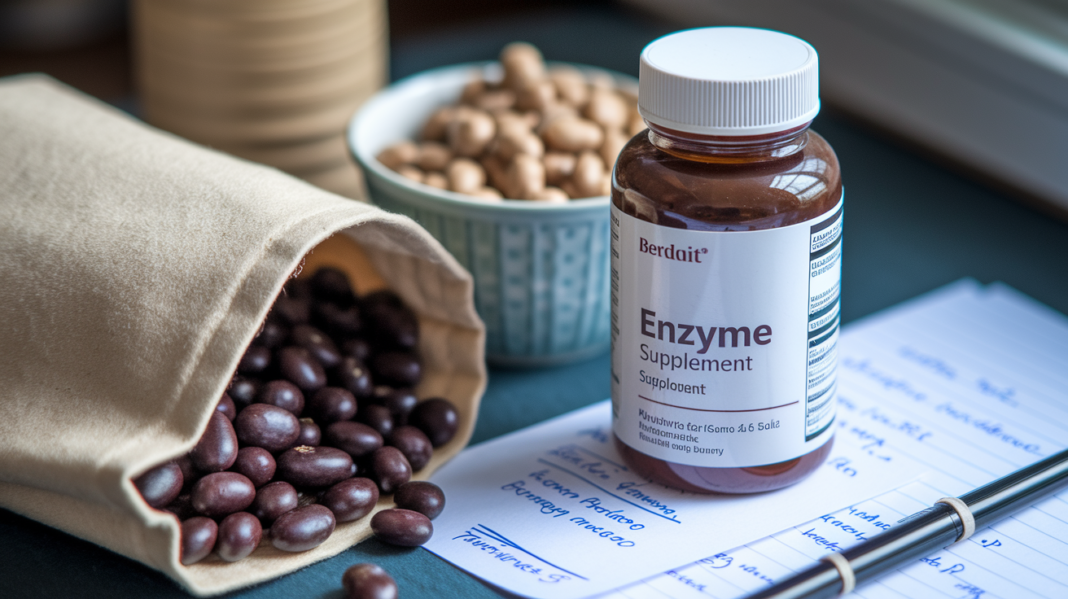

Can digestive enzymes cause gas? Sounds backwards, but yes—sometimes they do.
Most people get less gas because enzymes help food break down earlier, leaving less for gut bacteria to ferment.
But shifting how food is digested can briefly increase flatulence, or a wrong enzyme, dose, timing, or fillers in the pill can spark symptoms instead of relief.
In this post you’ll learn the common reasons, what to track to spot the pattern, and small tests to try before you decide to stop the supplement.
The Short Answer on Enzyme Supplements and New Digestive Symptoms
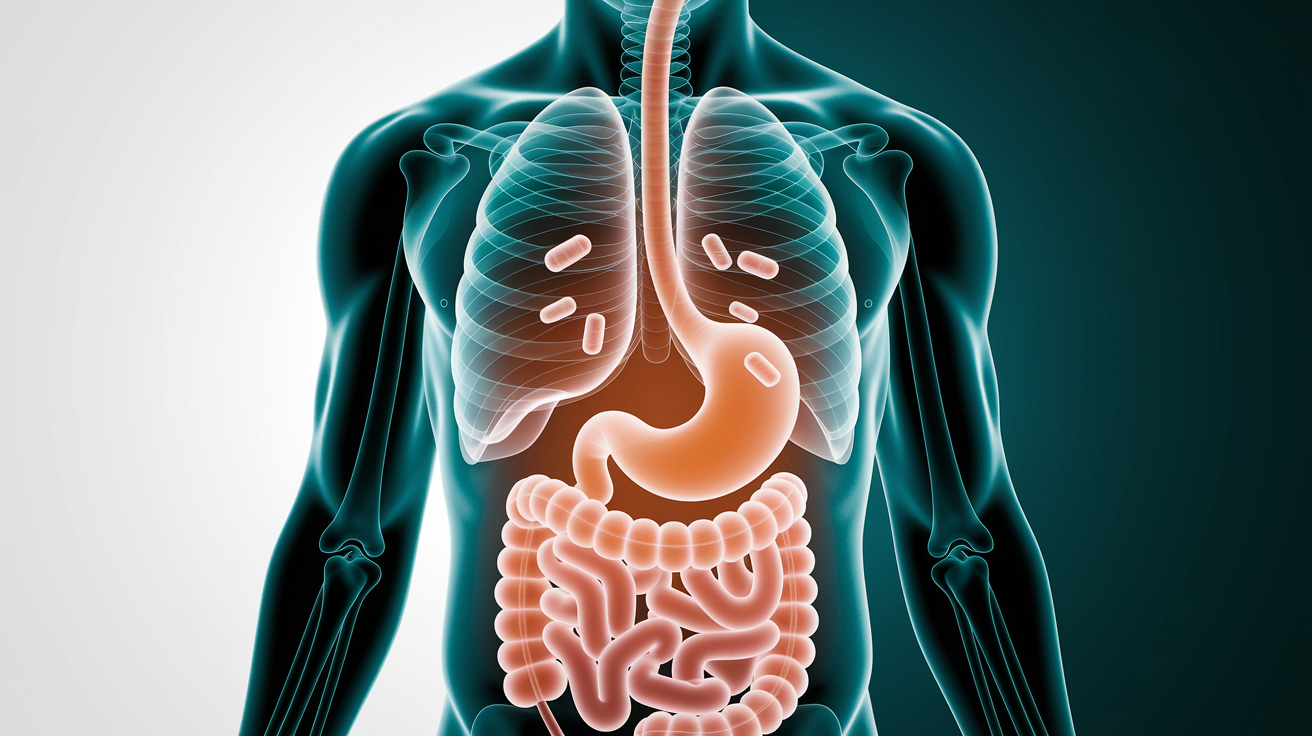
Yes, digestive enzyme supplements can occasionally cause gas or bloating. Sounds backwards, but it happens. For most people though, enzymes actually work the other way around, helping food break down more completely so there’s less leftover material for gut bacteria to ferment into gas.
That’s the whole point of taking them in the first place. Enzymes are supposed to reduce intestinal gas by handling digestion earlier in the process, before undigested carbs, proteins, or fats reach the colon. When that job gets done well, less fermentable material makes it to the bacteria waiting down there. When something goes sideways with the dose, the formula, or the timing, gas can show up instead of disappearing.
Here’s the tricky part. Mild symptoms that pop up soon after you start a new enzyme supplement may just be your body adjusting, nothing more. But if gas is severe, keeps coming back, or sticks around for weeks, that’s a different story. It deserves a different response than just waiting it out.
A few common reasons gas shows up after starting enzymes:
- Temporary changes in digestion or microbial activity as your gut adjusts.
- An incorrect enzyme type, dose, or timing for your specific meal or issue.
- Fermentable fillers or inactive ingredients in the supplement itself.
- An underlying food intolerance or digestive disorder that the enzyme isn’t addressing.
Why Can Digestive Enzymes Increase Gas Instead of Relieving It?

Gas mostly comes from one source. Gut bacteria feeding on food particles that never got fully digested or absorbed higher up in your digestive tract. When those particles reach the large intestine, bacteria ferment them, and that fermentation process releases gas. It’s a normal part of digestion, just usually happening at a lower volume than what causes noticeable bloating or discomfort.
Adding an enzyme supplement into the mix changes what shows up at that bacterial buffet. Sometimes for the better, since less undigested material arrives. But sometimes the shift itself, even a positive one, can temporarily throw off the balance of what’s fermenting and how much gas that produces. There’s also a chance the formula just isn’t a good match for what you ate, or it contains additives your gut doesn’t love.
Altered Fermentation and Gut Bacteria
When enzymes change how thoroughly food gets broken down, they also change what reaches your intestinal bacteria. This shift in available material may briefly increase flatulence while your digestion and gut flora settle into a new rhythm. Often temporary, but worth noticing.
The Wrong Enzyme for the Meal
Enzymes are picky. Each one acts on a specific substrate, whether that’s a type of sugar, protein, or fat. If you’re taking an enzyme that doesn’t match what’s actually causing your trouble, the real culprit food component sails right through undigested, landing in the large intestine to ferment as usual.
Too Much or Too Little Enzyme
Getting the dose right matters more than people expect. Too little enzyme activity means food isn’t broken down enough, leaving fermentable leftovers behind. Too much, on the other hand, may disturb your digestive comfort in its own way, sometimes leading to gastrointestinal distress rather than relief.
Fillers, Binders, and Other Ingredients
The enzyme itself might be fine. The rest of the capsule, maybe not. Maltodextrin, lactose, artificial colors, and flow agents are all common additives that can trigger gas or bloating in sensitive people. A reaction to one of these ingredients doesn’t necessarily mean you’re intolerant to the actual enzyme doing the work.
You’ll see “die off” tossed around a lot online as an explanation for enzyme related gas. That claim isn’t well supported by the evidence available. What does hold up: fermentation shifts, dietary changes, dosage mismatches, and sensitivity to inactive ingredients are the more likely explanations worth exploring first.
How Long Can Gas Last, and When Should You Stop?
There’s a fairly common pattern people notice after starting a digestive enzyme. Mild gas or bloating shows up in the first day or two, seems to peak somewhere in that early window, and then gradually eases off as your body settles into the new routine.
One source suggests a general troubleshooting window of about 3 days to 2 weeks for this kind of adjustment. Worth being clear though, this is practical guidance, not some medically guaranteed timeline that applies to everyone. Your experience might be shorter. It might run a little longer. And just because you’re within that window doesn’t automatically mean whatever you’re feeling is harmless.
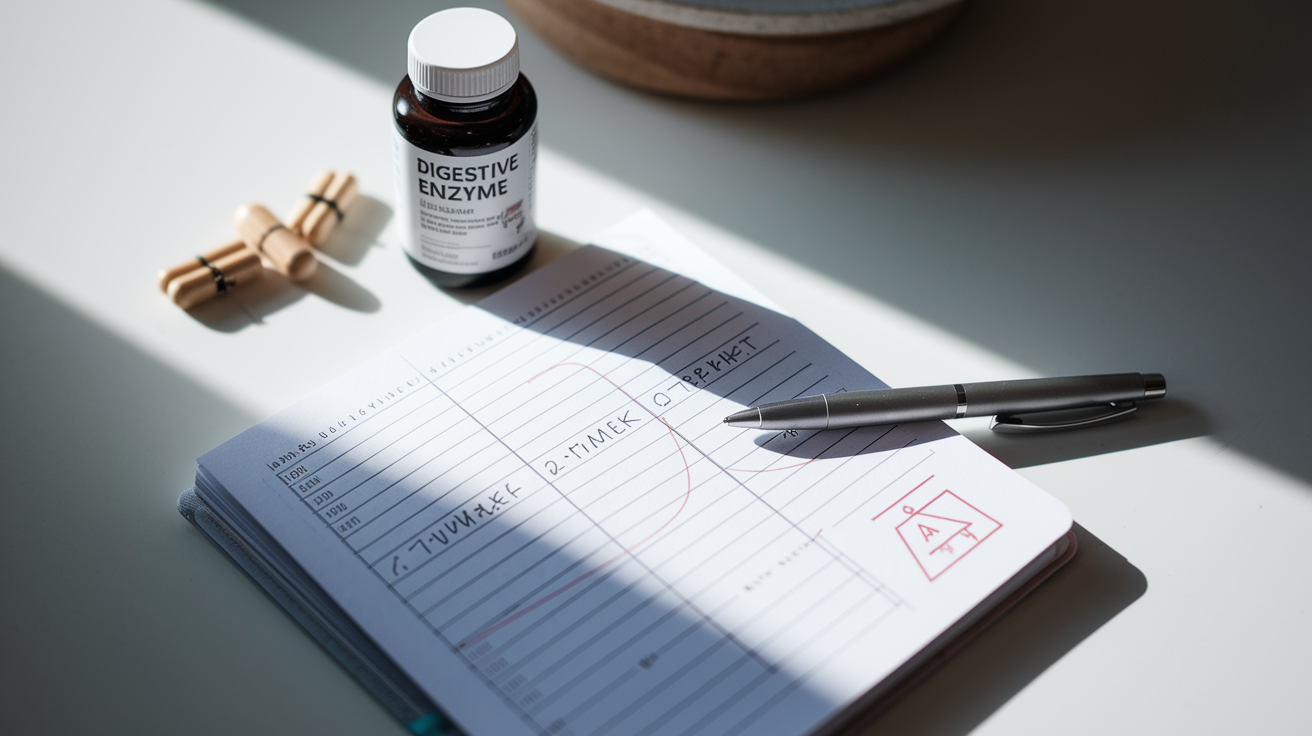
This is where tracking helps. Write down the supplement name and its ingredients, your dose, what meal you took it with, what you actually ate, how severe the symptoms felt, and whether your bowel habits changed. Note the timing too. Does the gas show up like clockwork after every single dose? Does it ease up on days you skip the supplement? That pattern tells you a lot.
Reasons to stop the product and check in with a healthcare provider:
- Gas or bloating continues beyond roughly two weeks without any improvement.
- Symptoms get progressively worse, or they return after every single dose.
- Abdominal pain becomes severe or keeps escalating.
- Blood shows up in the stool, or the stool turns black.
- You notice fatty or oily stools, unintended weight loss, or signs of nutrient deficiency.
- Vomiting, fever, faintness, or other whole body symptoms develop.
- Swelling, hives, trouble breathing, or any other possible allergic reaction occurs.
Not all of these carry the same urgency. Persistent or recurring gas that doesn’t fit the usual adjustment pattern is worth a routine conversation with your doctor. But breathing difficulty, significant bleeding, severe pain, fainting, or symptoms that are rapidly getting worse call for urgent medical attention, not a wait and see approach.
Which Digestive Enzymes Help With Different Gas Producing Fo

Final Words
in the action, we gave a quick answer and showed how enzymes work. Yes, some people notice more gas at first.
We covered why this can happen, how long mild symptoms may last, and when to stop and seek care.
If you wonder can digestive enzymes cause gas, the short answer is yes sometimes. Start small, match the enzyme to the meal, track for a few days, and adjust. You can often find a better fit.
- Temporary changes in digestion or microbes
- Wrong enzyme type, dose, or timing
- Fermentable fillers or inactive ingredients
- An underlying food intolerance or disorder
FAQ
Q: Is there a downside to taking digestive enzymes? What happens if you take digestive enzymes every day?
A: Taking digestive enzymes every day can help break down food but may cause mild, temporary gas or bloating, or reactions to inactive ingredients; long-term problems are uncommon and depend on dose and health status.
Q: How do I know if digestive enzymes are working? What happens to your body when you start taking digestive enzymes?
A: You’ll know digestive enzymes are working when meals feel easier to digest, with less bloating, gas, or heaviness; some people notice changes in days, others after a week of tracking.