

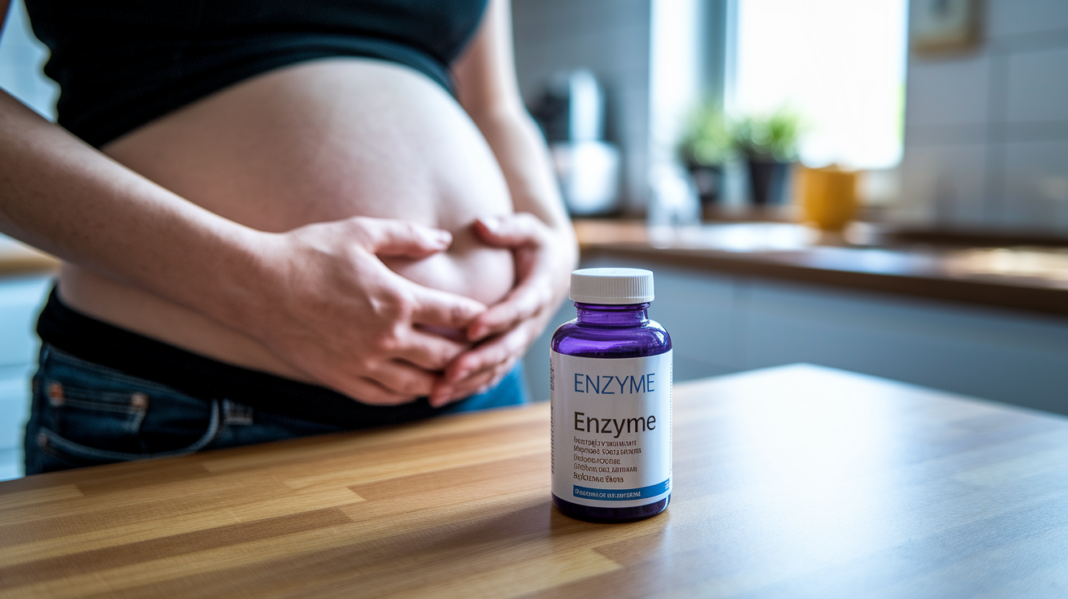

Can digestive enzymes actually cause bloating?
It sounds backwards, right? Something meant to help digestion making you feel puffy.
But yes, for some people enzymes can trigger bloating, usually for a few clear reasons like dose, a gut that’s adjusting, fermentation shifts, an ingredient you don’t tolerate, or an underlying gut condition.
This post explains the surprising why, shows what to track so you can spot the pattern, and gives small, testable steps to try next.
When Bloating Follows Digestive Enzyme Use

Yes, digestive enzyme supplements can cause bloating in some people. It’s not the most common outcome, but it happens often enough to be worth talking about. The reasons usually fall into a few buckets. The dose is off, your gut is adjusting to something new, fermentation patterns shift, you’re sensitive to an ingredient in the formula, the product has a quality issue, or an underlying condition like IBS or SIBO is amplifying what you’re feeling.
Mild bloating that fades after your first few doses is often just your body getting used to the supplement. That’s usually nothing to worry about. But bloating that sticks around, keeps getting worse, feels severe, or shows up alongside allergy signs is a different story and deserves attention.
If you’re using a non-prescription enzyme, a reasonable first move is to pause it for a few days and see if things settle. If you’re on a prescribed enzyme, don’t change your dose or stop taking it without checking with the clinician who prescribed it first.
How Digestive Enzymes Work in the Body
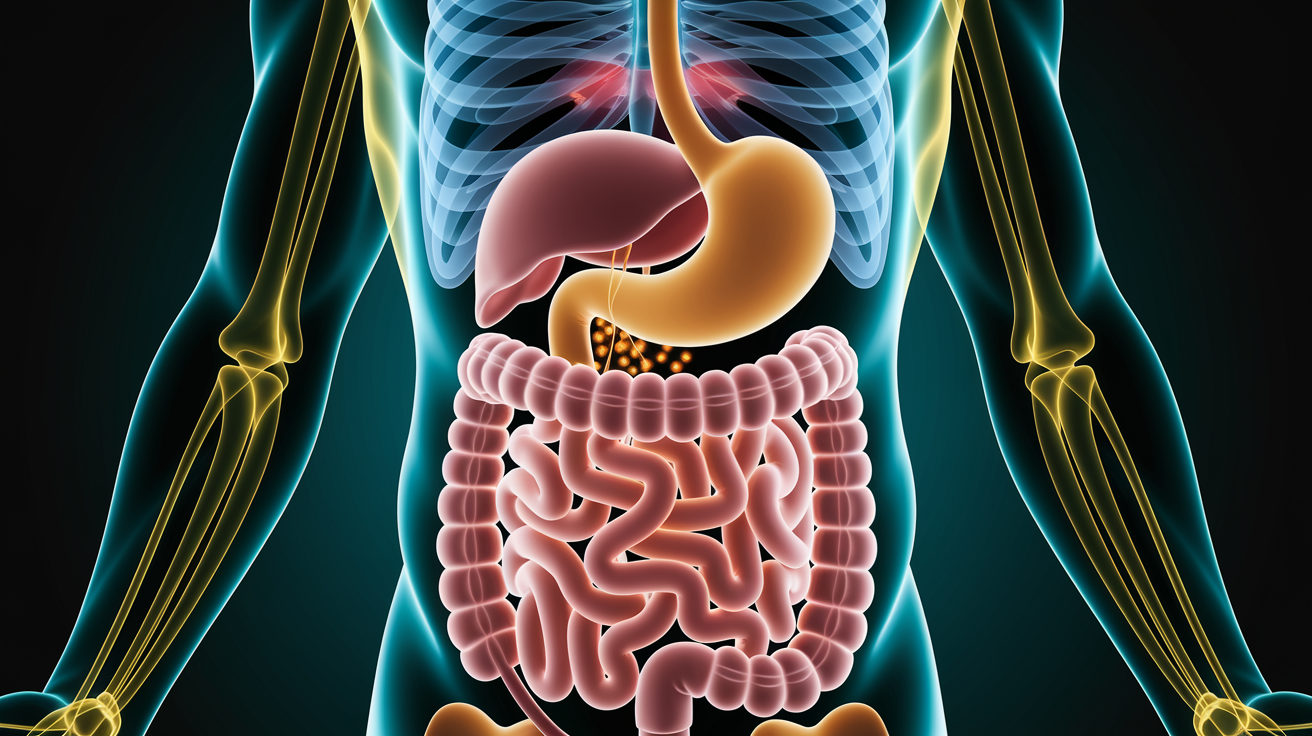
Digestive enzymes are proteins your body already makes. They come from your salivary glands, stomach, pancreas, and small intestine, working together at different points along the digestive tract. There are three main types, and each one has a specific job. Amylases break down carbohydrates, proteases (also called proteolytic enzymes) break down proteins, and lipases break down fats. Without enough of these enzymes, your body struggles to pull nutrients out of food. That struggle can lead to bloating, gas, and other uncomfortable symptoms.
Supplemental enzymes are designed to step in and support this natural process, especially when your body isn’t producing enough on its own. Prescription options like pancrelipase combine amylase, lipase, and protease in one product. These are typically animal derived, regulated by the FDA, and enteric coated so they survive the stomach’s acid and reach the small intestine where they’re actually needed. Over the counter enzyme blends work on a similar idea but aren’t held to the same regulatory standard, so ingredient amounts and quality can vary quite a bit from one brand to the next. Understanding this difference matters, because it shapes how enzymes might cause bloating in the first place.
Why Digestive Enzyme Supplements Trigger Gas and Bloating

Whether an enzyme supplement leads to bloating often comes down to a mix of factors, including what you ate, which enzyme formula you took, how much of it you took, and your own digestive health going in. There isn’t one single cause. It’s more like a handful of possible explanations that can overlap.
- Fermentation of carbohydrates or fiber left over in the gut, which bacteria feed on and turn into gas as a natural by product.
- Temporary shifts in how nutrients get broken down and how gut bacteria behave right after you introduce a new enzyme supplement.
- Non enzyme ingredients or the enzyme’s original source (more on this in a later section) that don’t sit well with your system.
- Doses that are too high or mismatched to the meal, which can throw off digestion instead of smoothing it out.
- Formulation problems, like an enteric coating that fails and releases enzymes too early, in the stomach instead of the small intestine.
- Underlying conditions such as IBS, SIBO, or food intolerances, which can make gas and bloating more noticeable even with a normal dose.
Here’s the tricky part. Figuring out which of these is actually behind your bloating takes some digging. Paying attention to timing (does it happen right after taking the supplement, or hours later?), whether the reaction scales with dose, what other symptoms show up alongside it, and whether certain meals make it worse can all offer clues. Tracking these details for even a few days often reveals a pattern.
Steps to Reduce Bloating From Enzyme Supplements
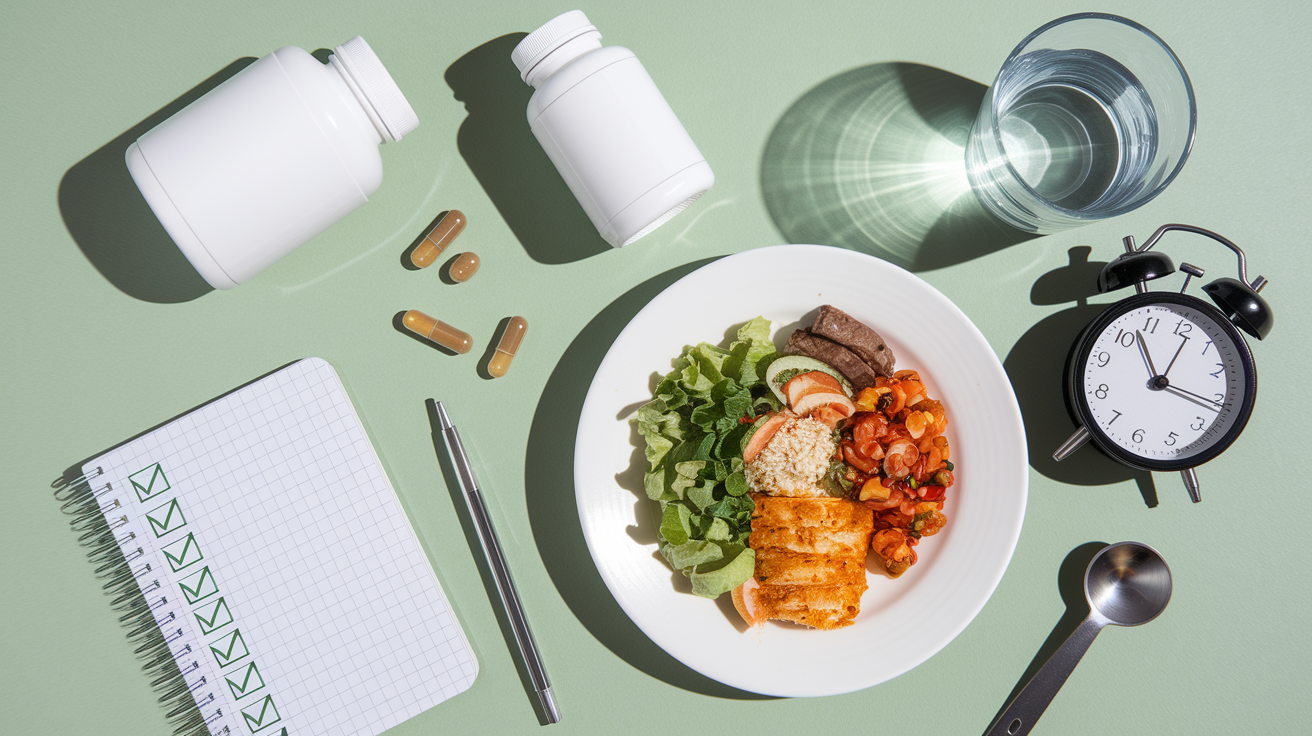
Start by double checking the serving size on the label. If you’re using an over the counter product, it’s worth asking whether you’re taking more than you actually need. Many people start high without realizing a smaller dose might work just as well with less gas and bloating. That said, if you’re on a prescription pancreatic enzyme, don’t adjust the dose on your own. Reach out to the clinician who prescribed it first.
Timing matters too. Enzymes are meant to work on the food you’re eating, so they’re generally taken with the first bite of a meal, not way before or long after. If you’ve been taking yours at an odd time relative to eating, that alone could be part of the problem. While you’re at it, take a look at the ingredient label and think about whether your symptoms line up with anything specific on it. We’ll get into ingredient details more in the next section, but even a quick label check can point you in the right direction.
If the timing and dose both check out but bloating continues, consider switching to a simpler formulation, one with fewer added ingredients, or trying a product that leaves out whatever you suspect is causing trouble. For a non essential OTC supplement, stopping it altogether for a bit is a reasonable option. From there, dietary adjustments or condition specific guidance from a doctor or registered dietitian can help you figure out a better path forward.
So when should you actually worry? Mild bloating that eases up within your first few doses is often just a sign your body is adjusting. But if symptoms show up every single time you take the supplement, stick around for more than a few days, continue even after you’ve stopped taking it, get worse over time, or start interfering with eating or your daily routine, it’s time to get it checked out. And if you experience severe abdominal pain or repeated vomiting, seek medical care promptly. Breathing difficulty, wheezing, swelling in the face or throat, or chest tightness are signs of a possible allergic reaction and need urgent attention right away.
Ingredient Sensitivities and Enzyme Sources Behind Bloating

Not all enzyme supplements come from the same source, and that difference can matter more than people expect. Plant derived enzymes, animal derived enzymes, and fungal derived enzymes all behave a little differently once they hit your gut. Bromelain, for example, comes from pineapple, and papain comes from papaya. If you happen to be sensitive to either of these sources, you might notice bloating, stomach discomfort, or other digestive
Final Words
If bloating shows up after you start an enzyme supplement, it can come from dose issues, a short adjustment period, changes in fermentation, sensitivity to ingredients, product formulation, or an underlying digestive condition. Mild bloating often eases after a few uses, while symptoms that persist, get worse, or include allergy signs need prompt attention.
Wondering can digestive enzymes cause bloating? Yes, and a quick test is to pause a non-prescription supplement and watch symptoms. Don’t stop prescribed enzymes without talking to your clinician. Track timing, meals, and symptoms. That will make finding a fix much easier and usually hopeful.
FAQ
Q: Why am I still bloated after taking digestive enzymes?
A: You’re still bloated after taking digestive enzymes because supplements can cause a temporary adjustment, wrong dose, ingredient sensitivity, formulation issues, or an underlying condition like IBS or SIBO; pause OTC use to see if it improves.
Q: What is better for bloating, probiotics or digestive enzymes?
A: Whether probiotics or digestive enzymes are better for bloating depends on the cause: probiotics often help microbial balance, enzymes help with food breakdown—try one at a time and track which eases your symptoms.
Q: Is there any downside to taking digestive enzymes?
A: The downside to taking digestive enzymes can include gas, bloating, reactions to non-enzyme ingredients, or problems from an excessive or mismatched dose; don’t change prescribed enzymes without talking to your clinician.
Q: How to know if digestive enzymes are working?
A: You know digestive enzymes are working when bloating and gas decrease, meals feel less heavy, and stool becomes more regular; test for a few meals to a week while tracking foods and doses.