

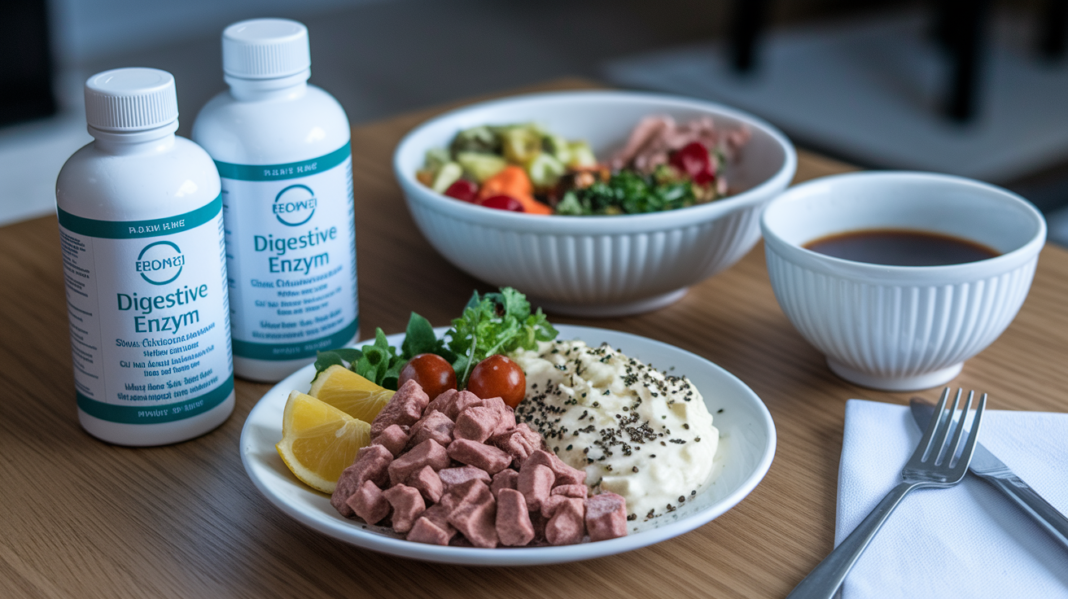

Think you can get by without digestive help after gallbladder removal?
Think again.
Many people end up with bloating, oily stools, or a fear of eating, because bile timing changed.
But the right enzymes can act like a backup system, helping break down fats and calm symptoms.
Look for high lipase (5,000 to 10,000+ units), broad-spectrum coverage, and an option with ox bile if you eat higher-fat meals.
This post cuts through the hype and points to trusted picks and simple ways to test what works for you.
Best Digestive Enzyme Products For Post-Gallbladder Digestion
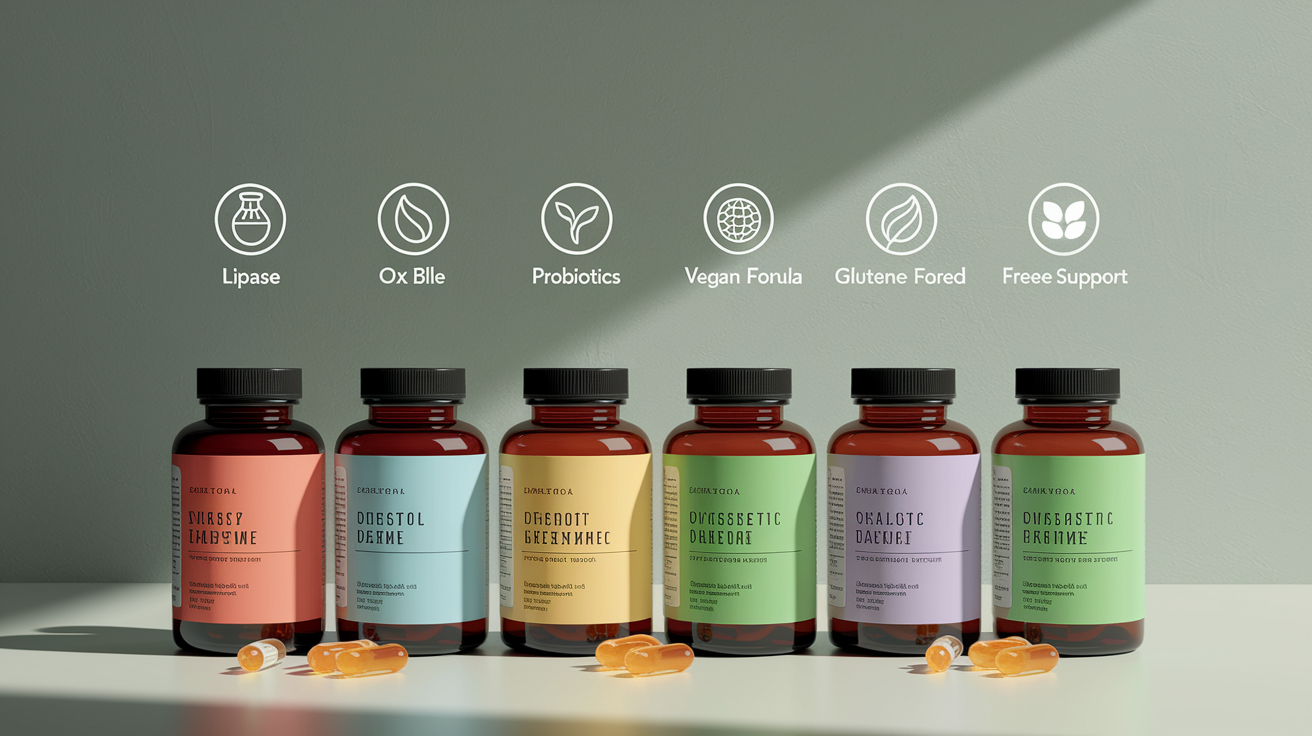
If you’re hunting for the best digestive enzymes after gallbladder removal, look for a high-lipase formula (at least 5,000 to 10,000 units per capsule), broad-spectrum enzyme coverage, and ideally ox bile to make up for the concentrated bile your body used to store on its own. This combo goes after the actual problem instead of just masking symptoms. Here’s what to look for and which formulas tend to hold up.
Quick picks before you compare:
- Top Overall Choice: A 3-in-1 daily formula with high lipase, ten or more broad-spectrum enzymes, plus DE111 probiotic support
- Best Ox-Bile Option: A formula containing bovine-derived bile salts alongside lipase and protease
- Best Budget Option: A wheat and gluten-free enzyme blend like Lamberts Digestizyme
- Best Vegan Option: A fungal-derived, plant-based enzyme formula with no animal ingredients
| Product Name | Lipase Units | Ox Bile Amount | Other Enzymes | Serving Size | Price | Cost Per Dose | Dietary Limitations | Best Use Case | Where To Buy |
|---|---|---|---|---|---|---|---|---|---|
| 3-in-1 Daily Enzyme + DE111 Formula | 10,000 units | None | Protease, amylase, cellulase, lactase, plus prebiotic fiber | 2 capsules | $34.99 | ~$1.17 | None known | Daily maintenance and long-term gut support | Brand website, subscription available |
| Ox Bile + Lipase Complex | 8,000 units | 250 mg | Protease, amylase | 1 to 2 capsules | $29.99 | ~$1.00 | Not vegan (bovine-derived) | Fatty meals and higher-fat diets | Health food retailers, online |
| Lamberts Digestizyme | 5,000 units | None | Protease, amylase, cellulase | 1 to 2 tablets | $19.99 | ~$0.55 | Wheat and gluten-free | Budget-friendly everyday support | Pharmacies, online retailers |
| Vegan Fungal-Derived Broad Spectrum | 6,000 units (plant-based lipase) | None | Amylase, protease, cellulase, hemicellulase | 1 capsule | $27.99 | ~$0.93 | Vegan, no animal products | Plant-based eaters wanting broad coverage | Online health stores |
| NO BLOAT Fast-Relief Formula | 7,500 units | None | BioCore Optimum Complete blend, dandelion, fennel, ginger | 1 to 2 capsules as needed | $24.99 | ~$1.25 per rescue dose | None known | Occasional heavy or high-fat meals | Brand website, promo pricing available |
For most people, take 1 to 2 capsules right when the meal starts, not after you’ve already cleaned your plate. Heavier fat, think fried food or a rich sauce, means you’ll want to lean toward the higher end of your dose. Start low for the first few days and see how your body reacts, then adjust from there. Track it if you can. That’s honestly the fastest way to land on your personal sweet spot.
Why Bile Flow Changes After Gallbladder Removal
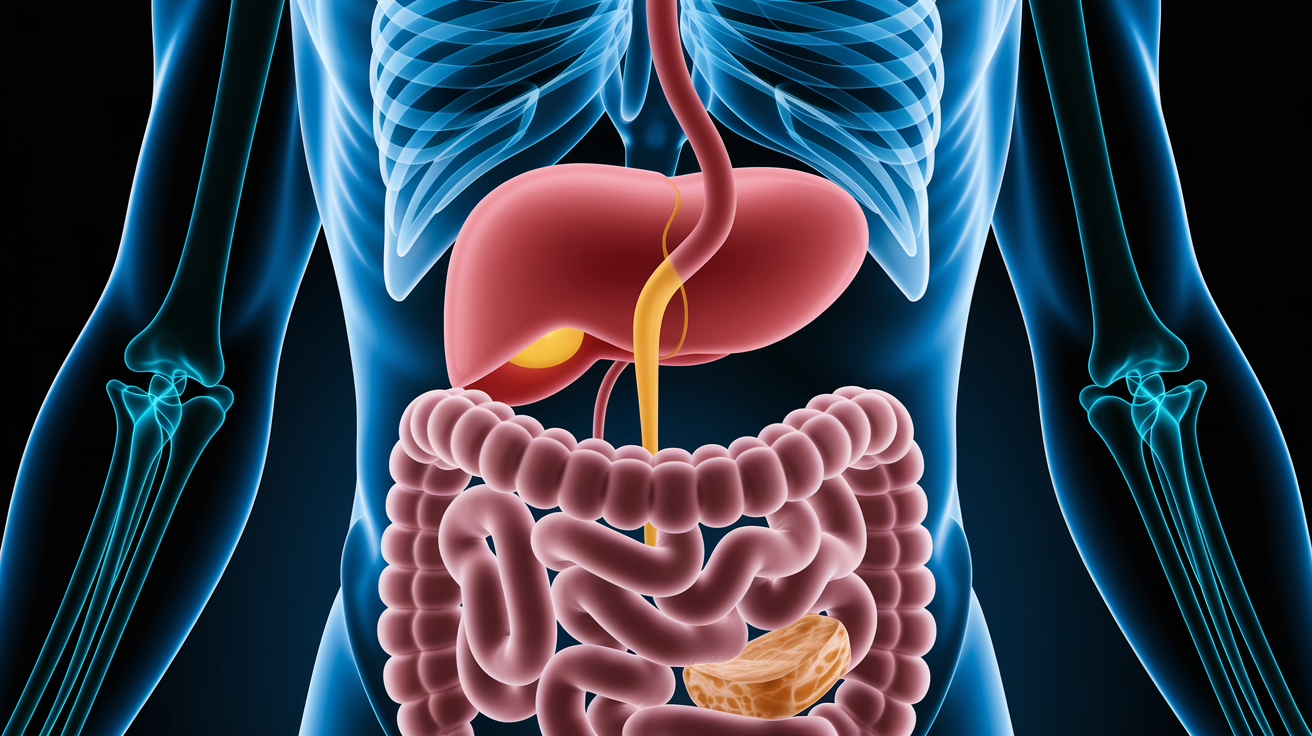
Your gallbladder used to have one job: store the bile your liver made and squeeze out a concentrated dose right when fatty food hit your stomach. Picture a water balloon holding a reserve, ready to let go exactly when it’s needed. The liver makes roughly 1.5 to 4 cups of bile a day, and the gallbladder was the timing mechanism, syncing that release with your meals.
Take the gallbladder away and that timing disappears. Bile still gets made, but now it drips continuously into your intestine instead of showing up in one concentrated wave. So when you eat something fatty, there’s often not enough bile on hand at that exact moment to break it down efficiently. That’s why some people notice oily or loose stools, bloating, or urgency after meals, especially the higher-fat ones. Your body didn’t stop working. The delivery system just lost its schedule.
Worth clearing up though: gallbladder removal doesn’t mean your pancreas suddenly quits making enzymes. Your pancreas keeps doing its job, cranking out lipase, protease, and amylase just like before. The core issue isn’t an enzyme shortage from the pancreas, it’s a bile timing and concentration problem. That distinction matters when you’re figuring out what kind of support actually gets at the root cause.
This is also where bile salts and enzymes play different ro
Final Words
Pick a high‑lipase, broad‑spectrum enzyme and add ox bile when meals are fatty. Look for lipase around 5,000–10,000 units per capsule, plus protease and amylase, and consider a spore‑forming probiotic for gut support.
Try one product for a week, take 1–2 capsules at the start of meals, track symptoms, and tweak the dose based on fat content. If you need plant-based options, choose a fungal‑derived formula.
Search “best digestive enzymes for no gallbladder” using the quick picks here, test small changes, and you’ll find what works.
FAQ
Q: What enzymes do I need after gallbladder removal?
A: After gallbladder removal, you typically need a high-lipase, broad-spectrum enzyme (lipase, protease, amylase, plus cellulase and lactase). Aim for lipase 5,000 to 10,000 units per capsule and take 1 to 2 capsules with meals; bile salts often help too.
Q: Will digestive enzymes help with gallbladder removal? What is the best supplement to take for gut health with no gallbladder? What helps with digestion with no gallbladder?
A: Digestive enzymes can help after gallbladder removal, but the best approach combines bile salts (ox bile 125 to 500 mg with fatty meals), a high-lipase broad-spectrum enzyme, a spore probiotic like DE111, and some prebiotic fiber.