


Think digestion is just “eat and forget”?
Here’s the truth: every bite follows one clear route through your body.
Knowing the order of digestive system from mouth to anus helps you spot where things slow, clog, or speed up.
This post walks that route step by step, listing mouth, esophagus, stomach, small intestine (duodenum, jejunum, ileum), large intestine, rectum, and anus, and explains what each stop does, how long food usually hangs around, and small, testable actions you can try if something feels off.
The Order Of Digestive System Organs Explained Step By Step
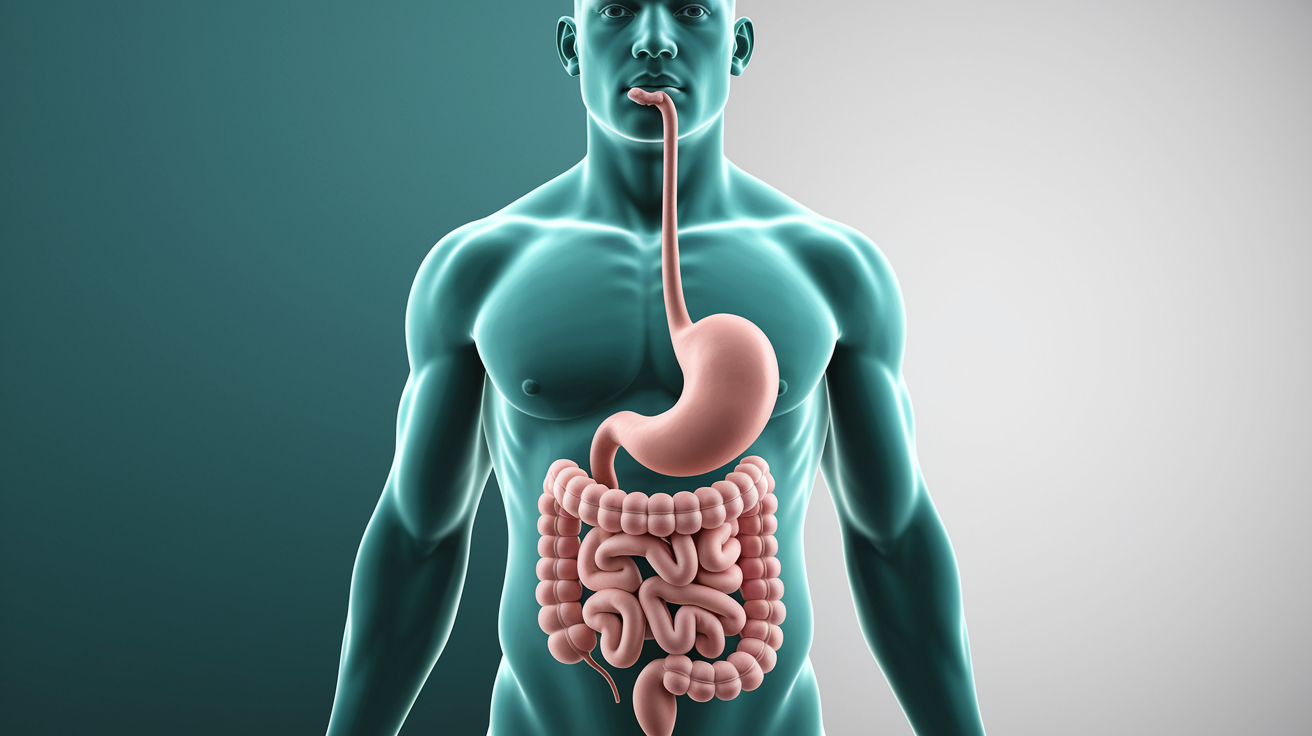
The order of digestive system organs follows one clear path: mouth, esophagus, stomach, small intestine, large intestine, rectum, and anus. That’s the sequence your food travels through every time you eat, from that first bite to final elimination. Knowing the mouth to anus order helps you understand where things can go right, or wrong, along the way.
Here’s the full list of digestive organs in order, covering ingestion, digestion, absorption, and elimination.
- Mouth
- Esophagus
- Stomach
- Small intestine
- Duodenum
- Jejunum
- Ileum
- Large intestine (colon)
- Rectum
- Anus
Each stop in the human digestive system has its own job. Some organs break food down mechanically, others use chemicals and enzymes, some just move things along, and others store waste until you’re ready to go. It’s a relay race, and every organ has to hand off cleanly to the next one.
Start to finish, this whole order takes about 24 to 72 hours, though it varies a lot from person to person, and even day to day depending on what you ate. Fiber, hydration, stress, and activity level all nudge that number up or down. The next sections walk through each stage in more depth, so you can see what’s actually happening at every point along the way.
Mouth: Where The Order Of Digestion Begins
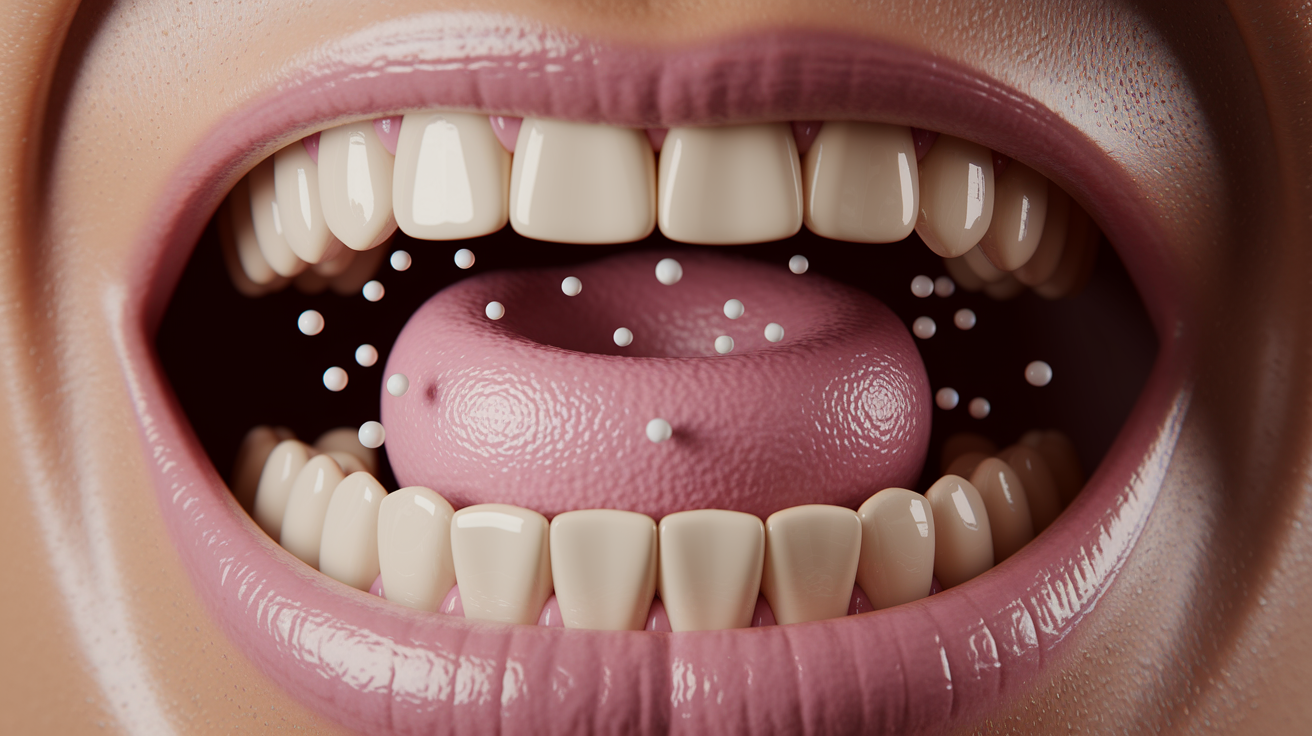
The mouth is the first organ in digestion, and it does more work than most people give it credit for. Your teeth (32 of them if you’re an adult, 20 if you’re still working with baby teeth) grind food into smaller pieces. This mechanical breakdown shapes food into a soft mass called a bolus, which is easier and safer to swallow. Without this step, everything downstream would have to work a lot harder.
But chewing is only half the story. Your salivary glands produce roughly 1 to 1.5 liters of saliva a day, and that saliva isn’t just there to keep things moist. It contains an enzyme called salivary amylase, or ptyalin, that starts breaking down carbohydrates before food even leaves your mouth. So mechanical and chemical digestion actually kick off at the same time. Once the bolus is ready, the swallowing reflex fires in under a second, sending food toward the esophagus.
Esophagus And The Transition Toward The Stomach
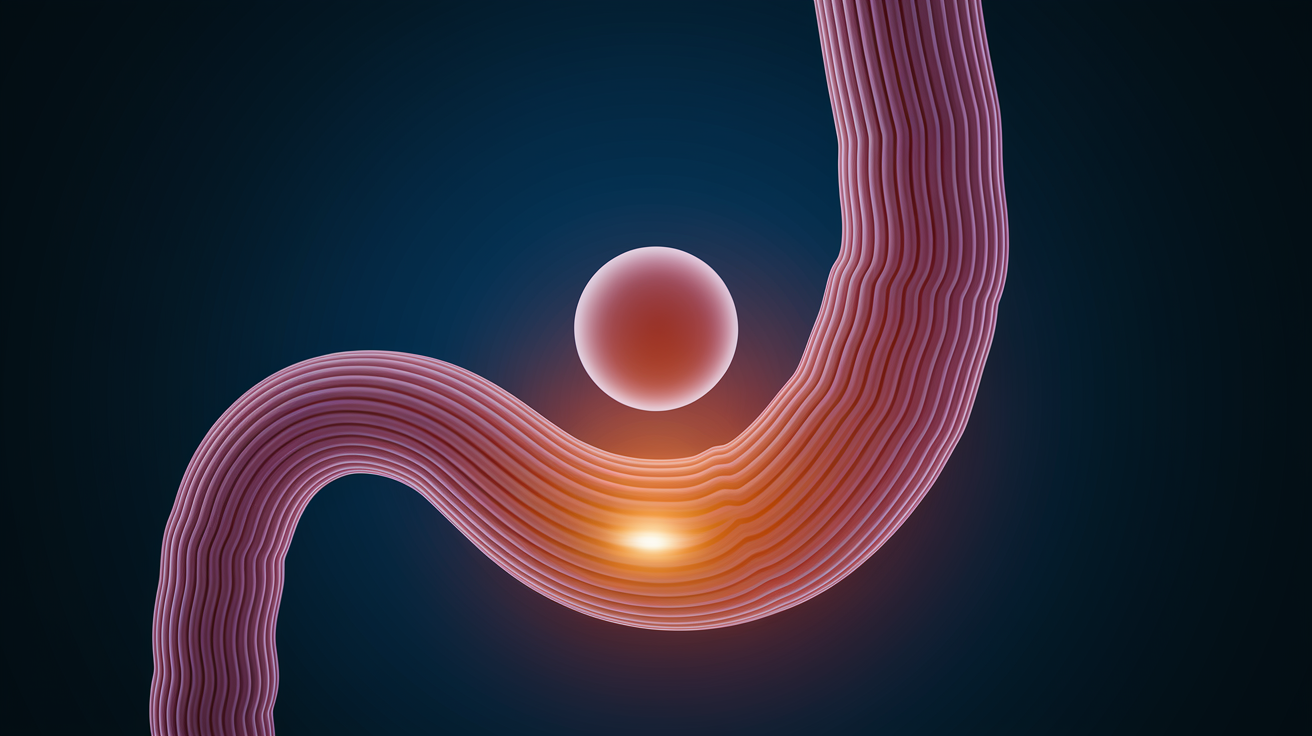
Once food leaves the mouth, it enters the esophagus, a muscular tube about 25 centimeters (roughly 8 inches) long. This is where peristalsis takes over, the rhythmic squeezing motion that pushes the bolus downward whether you’re sitting upright or lying flat. The whole trip through the esophagus takes just 4 to 8 seconds. It’s fast, and mostly automatic. You don’t have to think about it once you’ve swallowed.
At the bottom of the esophagus sits the lower esophageal sphincter, a muscular valve that opens to let food into the stomach and then closes to keep stomach acid from splashing back up. When this sphincter weakens or doesn’t close properly, it can lead to heartburn or, if it becomes a regular problem, GERD. That burning feeling after a big meal? Often it’s just this valve not doing its job.
Stomach’s Position In The Digestive Sequence
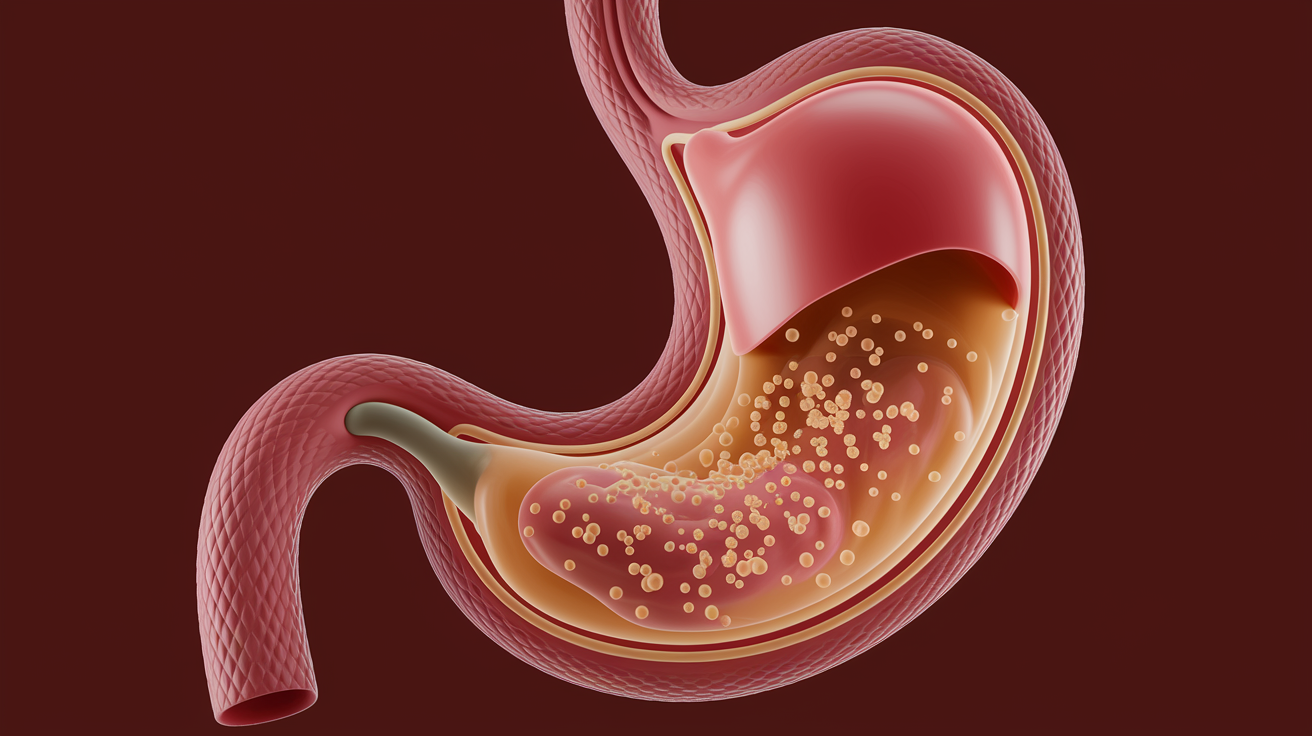
The stomach’s role in digestion is part storage tank, part chemical processor. At rest, it holds only about 50 mL, but it can stretch to accommodate 1 to 1.5 liters after a normal meal. Inside, gastric juices bring the pH down to somewhere between 1.5 and 3.5, an acidic environment that activates pepsinogen into pepsin, the enzyme responsible for breaking down proteins. Combined with the stomach’s churning motion, this turns the bolus into chyme, a liquid mixture ready for the next stage.
Gastric emptying for a typical mixed meal takes about 2 to 4 hours, though fattier or larger meals can take longer. The pyloric sphincter controls the stomach to duodenum transition, releasing chyme in small, controlled amounts rather than all at once. This pacing matters, it gives the small intestine time to work with what it’s receiving instead of getting overwhelmed.
Small Intestine Order: Duodenum, Jejunum, And Ileum
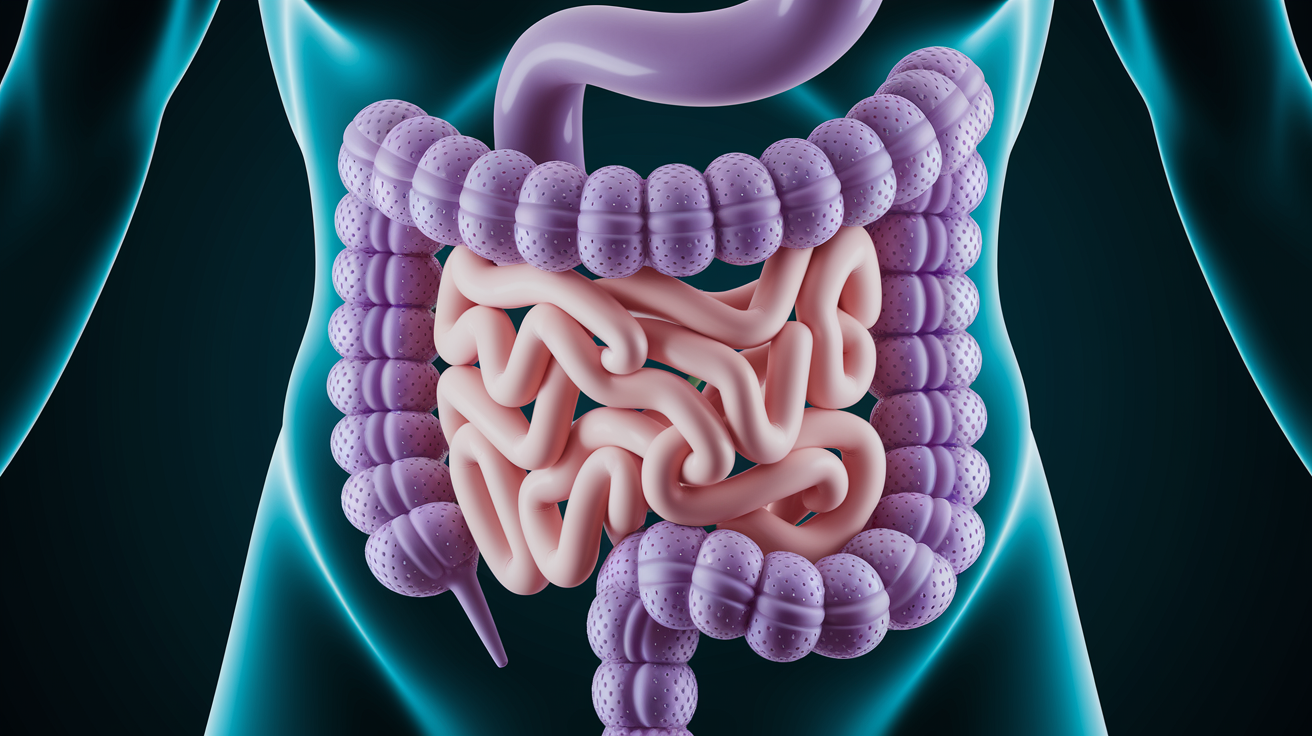
The small intestine is where most of the real absorption work happens, and it’s the longest stretch of the digestive tract at about 6 meters, or roughly 20 feet (some sources put it closer to 22 feet). It’s divided into three sections, each with a distinct job, and understanding the duodenum jejunum ileum order helps make sense of how nutrients actually get pulled into your bloodstream.
Duodenum
The duodenum is short, only about 25 to 30 centimeters, but it’s a busy stretch. This is where chyme from the stomach mixes with bile from the liver and gallbladder, plus enzymes from the pancreas. It’s the main site of enzymatic digestion, where proteins, fats, and carbohydrates get broken down further before absorption really ramps up.
Jejunum
Next comes the jejunum, stretching about 2.5 meters. This is the primary absorption site for sugars, amino acids, and water-soluble vitamins. Its walls are lined with folds and villi that grab nutrients as they pass through, sending them straight into the blood.
Ileum
The ileum is the longest section, around 3.5 meters, and it picks up where the jejunum leaves off. It absorbs bile salts, vitamin B12, and whatever nutrients are left, before handing off the remaining material to the large intestine.
Altogether, the small intestine’s folds and villi create a surface area of roughly 200 to 250 square meters. As an absorption site, that’s hard to overstate. Food typically spends 3 to 6 hours moving through this whole stretch.
Final Words
Mouth, esophagus, stomach, small intestine (duodenum, jejunum, ileum), large intestine, rectum, anus. That’s the route food takes.
We covered what each part does: chewing and saliva, transport by peristalsis, acid and chyme in the stomach, digestion and absorption in the small intestine, then water recovery and elimination.
Transit usually takes 24 to 72 hours, with the small intestine doing most absorption in about 3 to 6 hours.
Use this simple order of digestive system as a quick map when tracking symptoms or talking with a clinician. You’ll spot useful patterns and know what to test next.
FAQ
Q: What are the 7 steps of digestion in order?
A: The seven steps of digestion in order are: Mouth, Esophagus, Stomach, Small intestine (Duodenum, Jejunum, Ileum), Large intestine (colon), Rectum, and Anus.
Q: What are the 12 parts of the digestive system in order?
A: The twelve parts of the digestive system in order are: Mouth, Pharynx, Esophagus, Stomach, Duodenum, Jejunum, Ileum, Cecum, Colon, Rectum, Anus, and the accessory organs (liver, gallbladder, pancreas).