



What if your daily stress is quietly stoking a low-level fire inside your body?
Here’s the short version: the stress and inflammation link runs through stress hormones that talk to your immune system, and when stress keeps coming those signals can leave inflammatory markers turned up.
You’ll learn how it happens, what signs to watch, and simple tests to spot patterns and take small next steps.
Think of inflammation like a slow-burning ember, normal sometimes and risky if it keeps glowing.
We’ll focus on clear signals, doable experiments, and when to see a clinician.
What Stress Does To Immune Signaling
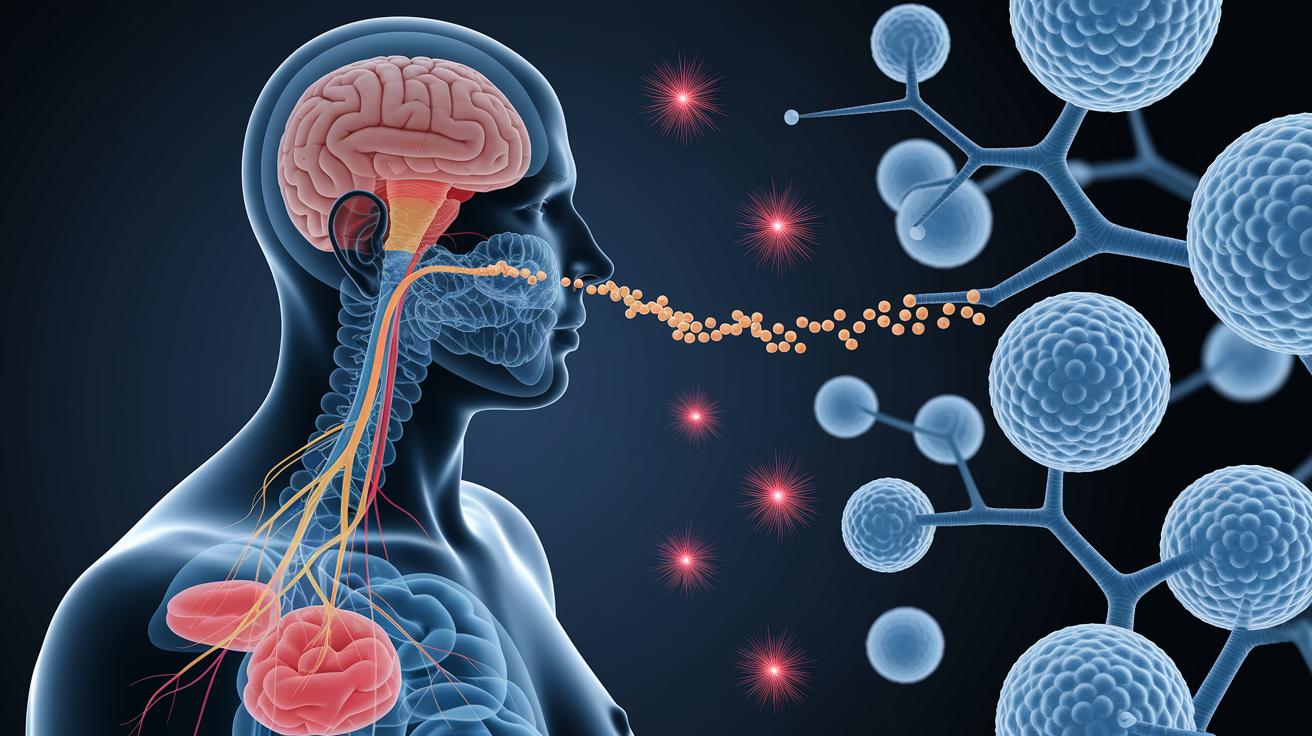
Yes, stress and inflammation are connected, and the link runs through your body’s alarm system. When you hit a stressful moment, your hypothalamic-pituitary-adrenal (HPA) axis and sympathetic nervous system fire up together, releasing cortisol and other stress hormones that ripple through your immune cells. This isn’t just a feeling, it’s a well-documented biological relationship.
Here’s the twist though. Cortisol is actually your body’s built-in brake pedal for inflammation, generally keeping immune activity in check. But acute stress, like a tense meeting or a near-miss on the highway, can briefly nudge certain inflammatory signals upward even while cortisol is doing its regulatory job. The real trouble starts when stress doesn’t let up. Chronic stress effects on immunity show up differently than acute versus chronic inflammation responses, because prolonged cortisol exposure can actually dull how well your immune cells listen to cortisol’s signals in the first place. That’s where inflammatory markers start sticking around longer than they should.
How Chronic Stress Disrupts Immune Regulation
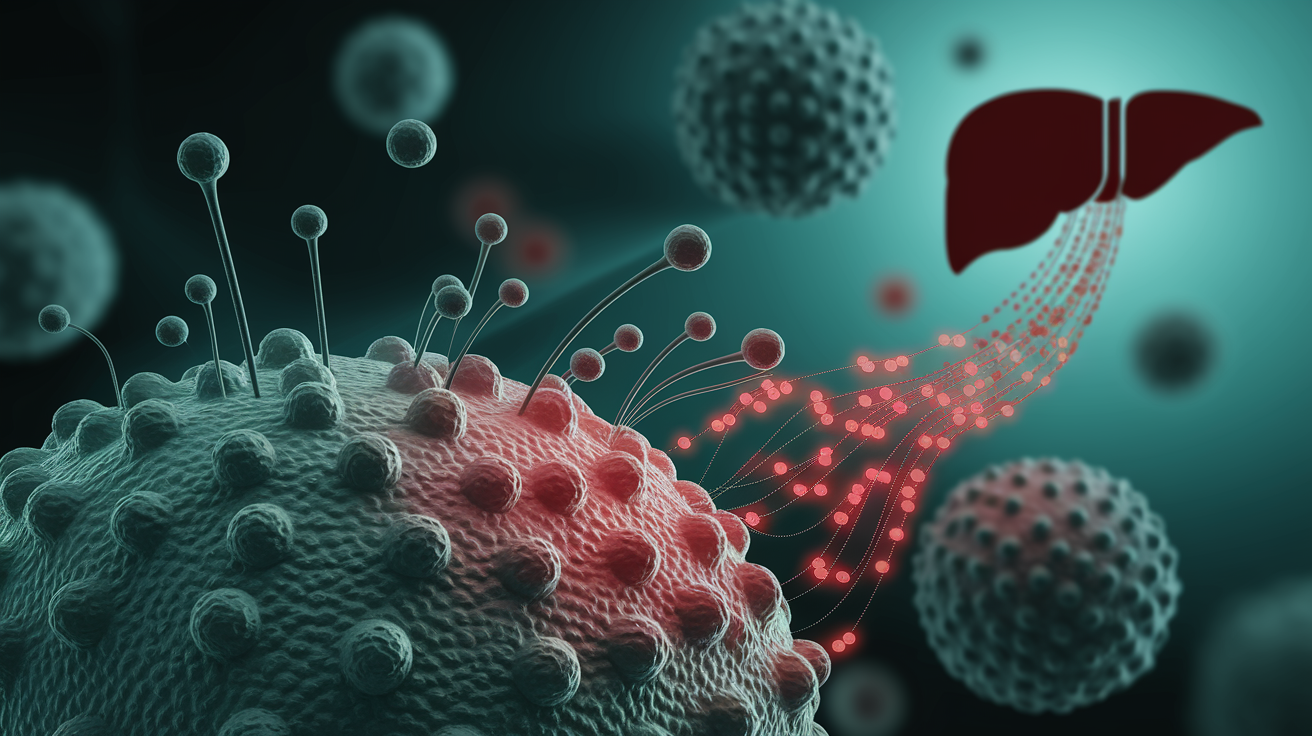
When sympathetic nervous system activation keeps firing day after day, and cortisol keeps flooding your system, something starts to shift at the cellular level. Your immune cells carry glucocorticoid receptors, which are basically docking stations for cortisol. Under normal circumstances, cortisol docks there and tells inflammatory activity to settle down. But with psychological stress mechanisms running on repeat, these receptors can become less responsive. Think of it like a smoke alarm that’s been going off so often you start sleeping through it. The signal is still there, but the response isn’t.
This is glucocorticoid resistance, and it matters because it weakens cortisol’s ability to do its main job, which is regulating immune activity. When immune cells stop responding properly, pro-inflammatory cytokines like interleukin-6 (IL-6) and tumor necrosis factor-alpha (TNF-alpha) can remain elevated instead of dropping back down after the stressful event passes. IL-6 then travels to the liver and stimulates production of C-reactive protein, or CRP, a marker that shows up in routine bloodwork and reflects this ongoing inflammatory activity.
Clinical context: Understanding hs-CRP categories
| CRP Level | Cardiovascular Risk |
|---|---|
| Below 1 mg/L | Lower risk |
| 1 to 3 mg/L | Intermediate risk |
| Above 3 mg/L | Higher risk |
These thresholds come from cardiovascular risk assessment guidelines. CRP can rise for many reasons unrelated to stress, including infections, injury, or other health conditions. A CRP or hs-CRP result on its own can’t prove that stress caused a person’s inflammation.
Not everyone exposed to the same stressful situation ends up with the same inflammatory response, and a handful of factors seem to explain why.
- Genetics and glucocorticoid receptor polymorphisms
- Early-life adversity and childhood stress
- Differences in heart rate variability
- Gut microbiome dysbiosis
Here’s the tricky part. How stressed someone feels doesn’t reliably line up with what their bloodwork shows. A person might report feeling calm while their CRP and cytokine levels tell a different story, or vice versa. So self-reported stress alone can’t tell you much about actual inflammatory burden. That’s why objective testing matters more than gut feelings when you’re trying to understand what’s really going on inside.
Signs And Symptoms Of Stress-Driven Inflammation

When stress sticks around long enough to start shifting immune activity, it often shows up as a cluster of everyday complaints rather than one obvious red flag. These experiences are nonspecific, meaning they can have many different causes, so noticing them is a starting point for curiosity, not a diagnosis.
Here are symptoms commonly reported alongside stress and inflammation:
- Frequent colds or infections
- Muscle aches or joint pain
- Digestive issues, like bloating, cramps, or constipation
- Brain fog or difficulty concentrating
- Disrupted sleep or insomnia
- Skin flare-ups, including acne, eczema, rosacea, or psoriasis
- Persistent fatigue
- Headaches or migraines
- Mood changes, like irritability or low mood
- Elevated heart rate or blood pressure
If a few of these sound familiar, it may help to jot down when they happen. What was going on that week? How was your sleep? Were you snapping at people more than usual? Tracking these patterns over a couple of weeks gives you something concrete to bring to a healthcare professional, rather than relying on vague impressions of feeling off.
And if any of these symptoms are getting worse, sticking around for weeks, interfering with your daily life, or showing up alongside something more serious like chest pain or shortness of breath, that’s your cue to get evaluated. A clinician can run the right tests and figure out what’s actually driving the pattern, instead of guessing from the outside.
Final Words
Stress triggers the HPA axis and the sympathetic nervous system, changing how immune signals behave. Short bursts may raise some inflammatory markers, but prolonged stress can blunt cortisol’s control and let IL-6 and other signals stay higher.
You might notice more aches, brain fog, sleep trouble, skin flares, or colds. Those are clues, not proof.
Tracking patterns, like stressors, sleep, and symptoms, and testing small changes helps you see the stress and inflammation link in your life. Small steps can make a real difference.
FAQ
Q: What are the key differences between acute and chronic inflammation?
A: The key differences between acute and chronic inflammation are that acute inflammation is short-term, fast, and helps heal injury, while chronic inflammation is long-lasting, lower-grade, and can slowly harm tissues and organs.
Q: What is chronic Inflammatory Response Syndrome (CIRS)?
A: Chronic Inflammatory Response Syndrome (CIRS) is a proposed multi-system condition linked to long-term biotoxin exposure (for example some molds), causing fatigue, cognitive issues, and immune imbalance; it needs specialist evaluation and testing.
Q: Can you provide me with some notes on inflammation in pathology?
A: Notes on inflammation in pathology: inflammation is the immune system’s response to injury or infection, involving immune cells, blood-flow changes, and chemical signals; acute inflammation usually repairs, while chronic inflammation may lead to ongoing tissue damage.
Q: What foods are good for an anti-inflammatory diet?
A: Foods good for an anti-inflammatory diet include fatty fish, leafy greens, berries, nuts, whole grains, olive oil, and spices like turmeric and ginger; try adding one or two of these servings daily to see effects.