



What if your cells used the same alarm for viruses, hunger, and low oxygen?
That’s the integrated stress response function in a nutshell.
A single molecular switch, phosphorylation (adding a small phosphate) of eIF2α, turns most protein making red like a traffic light, saving energy and stopping more misfolded junk.
Yet a few helpful proteins, notably ATF4, still get a green.
This post decodes how that switch works, the four kinases that flip it, and the clear patterns you can track to understand cellular survival.
Integrated Stress Response Function Explained
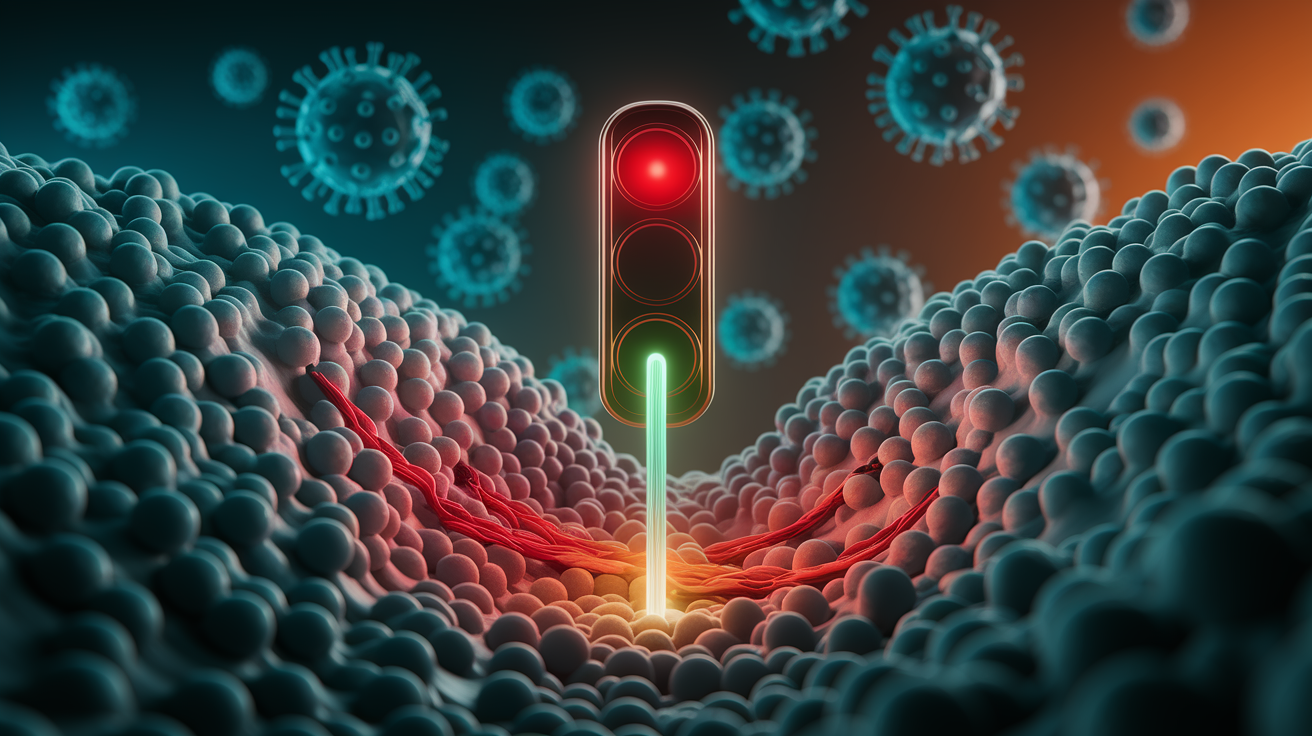
The integrated stress response, or ISR, is a conserved cellular pathway that kicks in whenever your cells sense trouble. Low oxygen, viral invasion, nutrient shortages, misfolded proteins piling up inside the cell. The ISR doesn’t care what started the problem. It just responds. At the center of this system sits a single molecular event, the phosphorylation of a protein called eIF2α (also known by its gene name, EIF2S1). This one change reshapes how a cell builds proteins, and it does so fast.
So what does the ISR pathway actually do? Think of it like a traffic light system inside every cell. When stress hits, the light turns red for most protein production. General translation (the process of building proteins from genetic instructions) slows way down. This conserves energy and raw materials, and stops the cell from making even more misfolded proteins when it’s already struggling to manage the ones it has. But here’s the clever part. While most protein building halts, a small set of helpful proteins gets a green light. ATF4 is the best known example, a protein that helps the cell adapt and recover.
Four specialized kinases trigger this whole process, each one watching for a different kind of trouble. Once the danger passes, the cell has ways to flip the light back to green and resume normal translation. That recovery process, and the four kinases that start it all, is where the real mechanical detail lives. Worth breaking down step by step.
How The Integrated Stress Response Mechanism Works
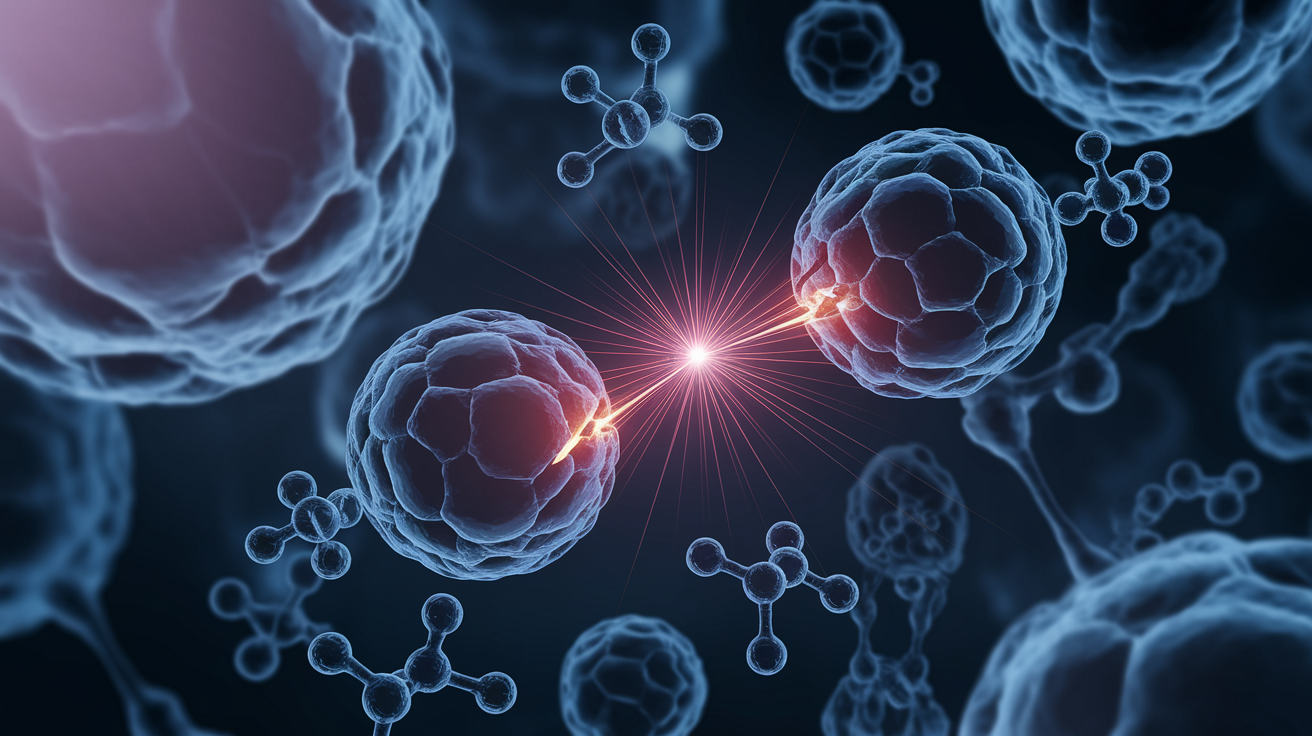
Two molecular players run the show here, eIF2 and eIF2B. eIF2 is a heterotrimer, meaning it’s built from three separate subunits labeled alpha, beta, and gamma. eIF2B is bigger, a heteropentamer made of five subunits, and it acts as a guanine nucleotide exchange factor (GEF), basically a recycling machine that keeps eIF2 ready for reuse. Together, these two complexes form the central switch that decides how much protein synthesis happens at any given moment.
Here’s how the sequence plays out, from the first sign of trouble to the production of adaptive proteins.
- A stress signal activates one of four specific kinases (more on those shortly).
- The activated kinase adds a phosphate group to eIF2α at a specific spot, serine 51 (Ser51).
- This phosphorylated eIF2α, now called P-eIF2, changes shape and starts acting as an inhibitor of eIF2B instead of its normal partner.
- With eIF2B jammed up, it can’t recycle eIF2 efficiently, so the ternary complex (eIF2 bound to GTP and a special initiator tRNA) becomes scarce.
- Global protein synthesis drops sharply because most mRNAs need that ternary complex to start translation.
Here’s the tricky part, and it’s genuinely interesting. You’d think less ternary complex means less translation across the board, full stop. For most proteins, that’s true. But ATF4 messenger RNA has a quirky feature, two upstream open reading frames, called uORF1 and uORF2, sitting before the actual ATF4 coding sequence. Under normal conditions, ribosomes get stuck translating these short uORFs and never reach the real ATF4 code. But when ternary complex is scarce, ribosomes scan past the first uORF and, due to timing delays, often skip the blocking second one too, landing instead on the real ATF4 start site. Low resources, paradoxically, open the door for ATF4 production. One of biology’s neater tricks.
The Four Kinases That Trigger The Integrated Stress Response
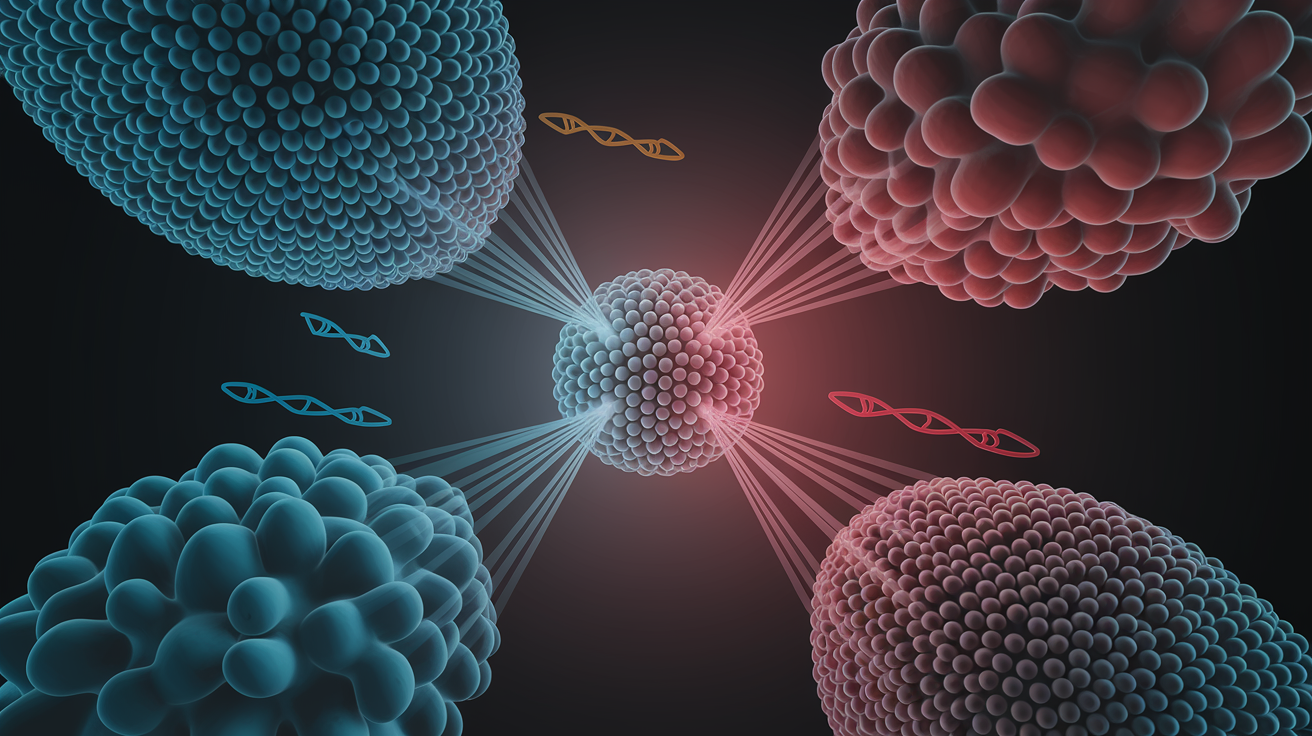
Four distinct kinases watch for four completely different warning signs, yet they all land on the exact same target, eIF2α. This convergence is what makes the ISR so efficient. Doesn’t matter if the threat is a virus, starvation, or oxygen deprivation. The cell funnels all of it through one shared mechanism.
| Kinase | Gene Symbol | Activating Trigger |
|---|---|---|
| PERK | EIF2AK3 | ER stress and accumulation of unfolded proteins |
| GCN2 | EIF2AK4 | Uncharged tRNAs and amino acid deprivation |
| PKR | EIF2AK2 | Double-stranded viral RNA |
| HRI | EIF2AK1 | Heme deficiency and oxidative stress |
PERK sits in the endoplasmic reticulum membrane, sensing when proteins start misfolding faster than the cell can manage. GCN2 monitors amino acid supply, essentially tasting whether the cell has enough raw material to keep building. PKR acts as an antiviral sentry, triggered by genetic material that shouldn’t be floating around inside a healthy cell. HRI, originally discovered in red blood cells, responds to heme shortages and broader oxidative damage.
This arrangement gives the cell a kind of universal alarm system. Whether the threat comes from outside (a virus) or inside (a buildup of misfolded proteins), the same downstream response kicks in. One mechanism, many triggers. A remarkably efficient way to handle a messy, unpredictable world of threats.
Downstream Targets And Feedback In ISR Regulation
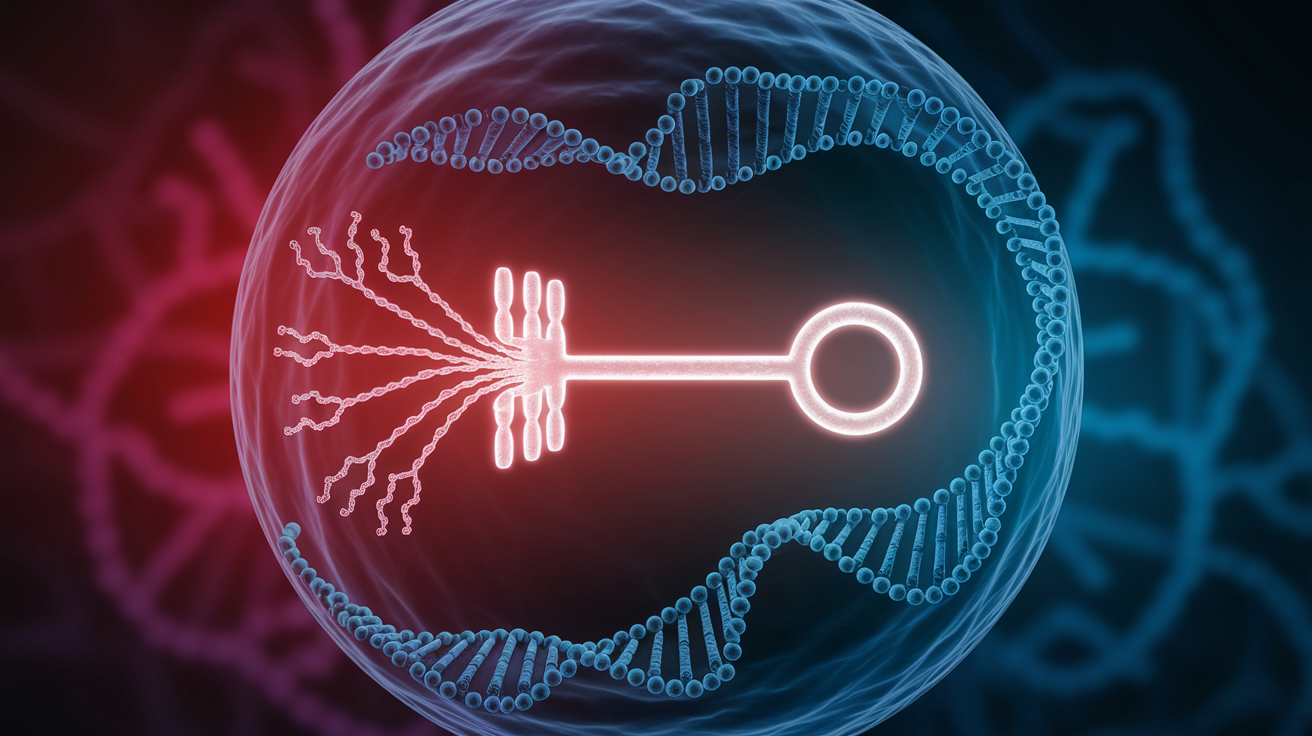
Once ATF4 gets made, it doesn’t just sit there. It acts as a transcription factor, switching on a whole set of genes that shape what happens next. Two of its most important targets are CHOP (gene name DDIT3) and GADD34 (gene name PPP1R15A). CHOP pushes cells toward programmed cell death when stress drags on too long. GADD34 does the opposite job in some ways. It recruits an enzyme called protein phos
Final Words
We defined the ISR as a conserved pathway that pauses most protein making, and lets adaptive players like ATF4 come forward.
We explained the molecular switch. eIF2α phosphorylation blocks eIF2B and lowers global translation while favoring ATF4. We reviewed the four kinases that trigger it and the feedback loop of GADD34/PP1 and PPP1R15B that turns it off.
The integrated stress response function is a simple, reversible traffic light for protein synthesis. Track small signals and you can see when the system resets, and that’s good news.
FAQ
Q: What are the three types of biological responses to stress?
A: The three types of biological responses to stress are the alarm (acute mobilization), the resistance or adaptation phase (compensatory adjustments), and exhaustion (when resources run out and dysfunction appears).
Q: What is an integrated response?
A: An integrated response is a coordinated cellular signaling program that shifts cell activities, slowing general protein making while selectively producing adaptive proteins so the cell conserves resources and handles diverse stresses.
Q: Is ISRIB available for human use?
A: ISRIB is not available for human use; it remains an experimental compound used in animal and lab studies, with limited human safety data and no approved clinical formulations.
Q: What causes cellular stress response?
A: Cellular stress response is caused by conditions that disturb proteostasis or homeostasis, like misfolded proteins, ER stress, amino acid shortage, viral RNA, oxidative stress, hypoxia, heme loss, or other metabolic insults.