



Think cortisol is just the villain behind stress?
That idea is catchy but misleading.
Cortisol is a messenger that helps your body reroute energy fast when you face a threat.
It boosts fuel, quiets nonessential systems, and helps you act.
Short-term, that’s useful.
But when the system fires again and again or doesn’t settle back down, the same signal becomes wear and tear.
This post will show how cortisol is released, how its daily rhythm and stress spikes work, and simple, testable steps to spot patterns and protect your health.
Why The Body Releases Cortisol Under Pressure
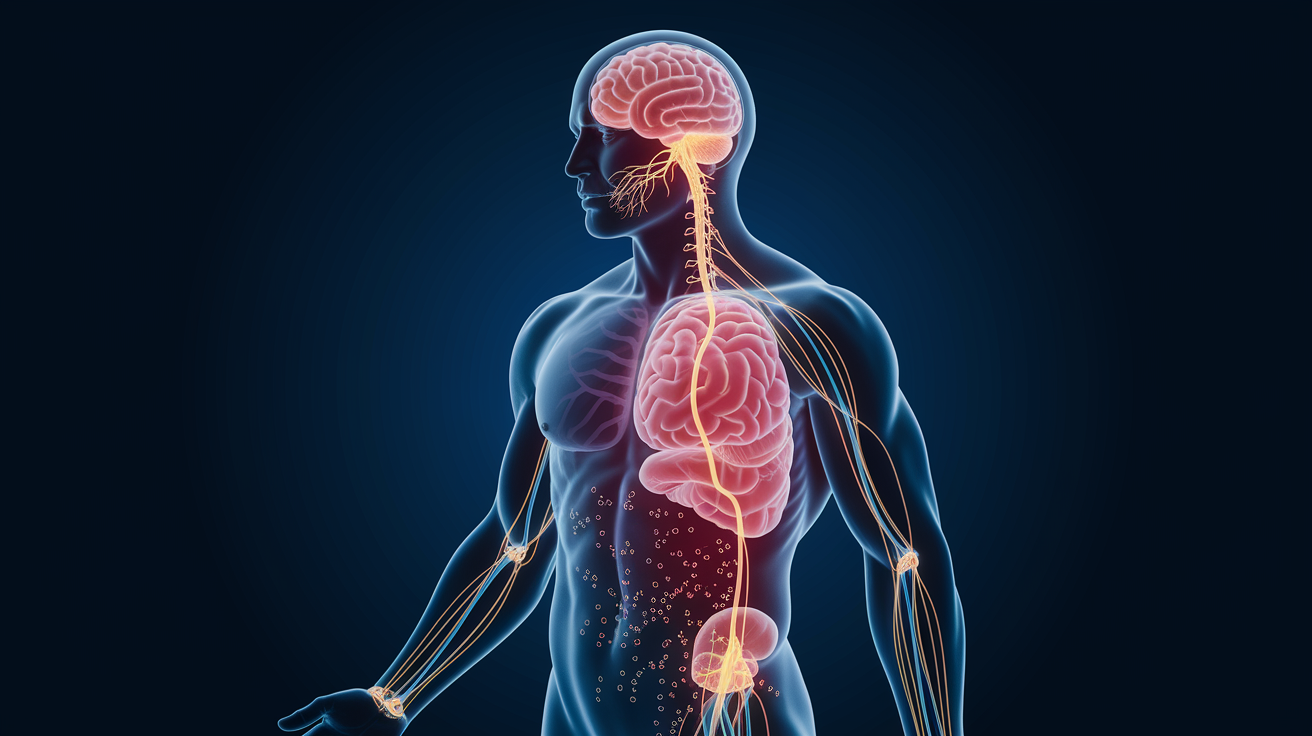
Cortisol is a glucocorticoid hormone, which means it directly affects how your body handles glucose, fat, and protein. People call it “the stress hormone,” but that label doesn’t quite capture what it does. Cortisol is really a messenger. One that tells your body to shift its priorities fast when something feels threatening.
When your brain picks up on a physical or psychological threat, whether that’s a near miss on the highway or a tense email from your boss, it kicks off a chain reaction built to help you cope. This happens through the HPA axis, a communication pathway between your hypothalamus, pituitary gland, and adrenal glands. Acute cortisol release mobilizes glucose and temporarily pulls resources away from nonessential functions, giving you quick energy right when you need it.
Here’s how that cascade actually unfolds.
- The hypothalamus releases corticotropin releasing hormone (CRH).
- CRH prompts the pituitary gland to release adrenocorticotropic hormone (ACTH).
- ACTH stimulates the adrenal cortex to release cortisol.
- Cortisol sends negative feedback to the hypothalamus and pituitary, reducing further CRH and ACTH release.
A simple way to picture this stress response.
Stressor → Hypothalamus/CRH → Pituitary/ACTH → Adrenal cortex/Cortisol
↑ negative feedback ↓
This feedback loop is what keeps ACTH regulation of cortisol in check under normal conditions. Once cortisol rises enough, it signals back to the hypothalamus and pituitary to quiet down, closing the loop.
A short term rise in cortisol is adaptive. It’s your body doing exactly what it’s supposed to do. The trouble starts when this system gets triggered again and again, or when cortisol doesn’t settle back to baseline the way it should. In healthy adults, average daily cortisol production sits around 5 to 10 mg, and its plasma half life runs roughly 60 to 90 minutes. That’s fast turnover, but repeated activation without recovery is where things start drifting toward dysregulation.
How Cortisol Extends The Immediate Fight-Or-Flight Response
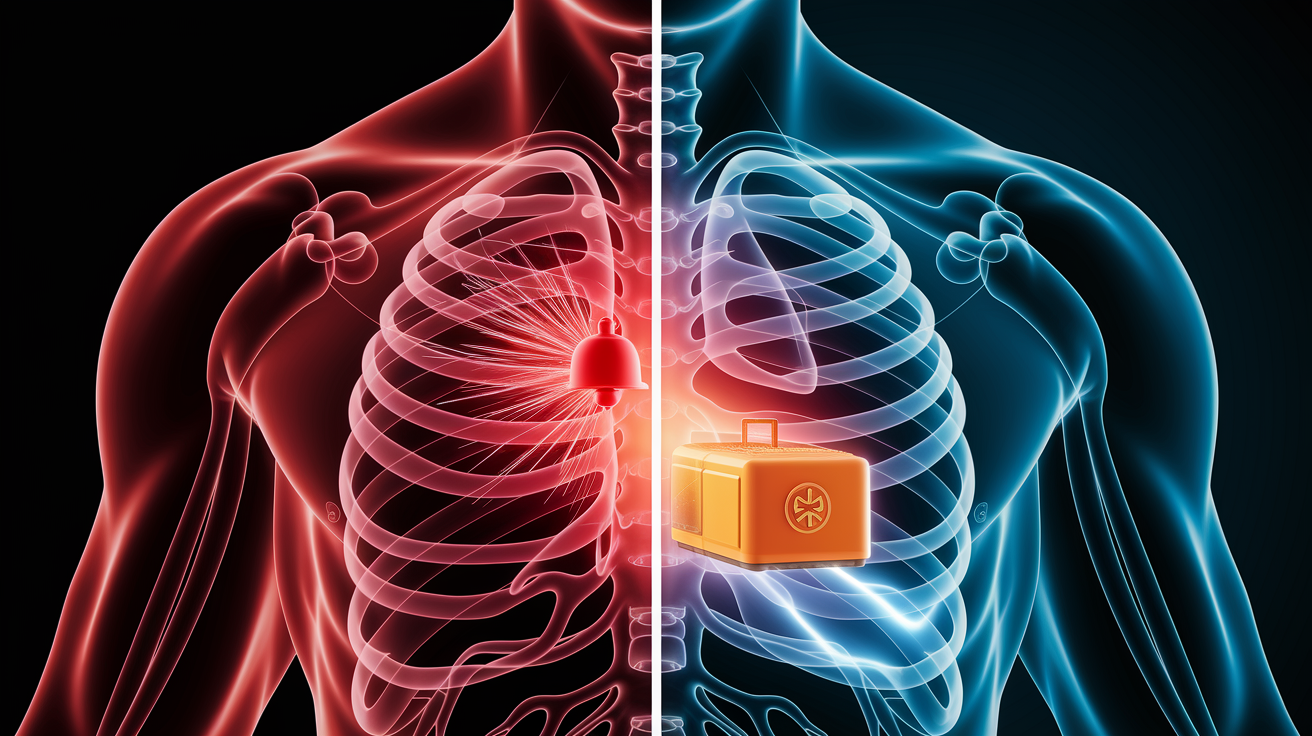
Your body actually runs two stress systems at once, and they move at very different speeds. The first is sympathetic activation, which fires almost instantly. Within seconds of a perceived threat, your adrenal medulla releases catecholamines, mainly adrenaline, producing that familiar jolt: racing heart, quickened breath, heightened alertness. This is the classic fight or flight response, and it’s built for speed.
Cortisol works on a slower timeline, and that’s part of what makes it so interesting. While adrenaline hits fast and fades fast, cortisol takes longer to rise and sticks around longer too. It circulates through the bloodstream and binds to glucocorticoid receptors in tissues throughout the body, including the liver, muscles, immune cells, and brain. Cortisol doesn’t just flip a switch, it changes gene expression inside cells. That process takes time to unfold, which is why cortisol’s effects can still be active even after blood levels start dropping. Think of adrenaline as the alarm bell and cortisol as the backup generator, keeping the lights on while your body sorts out whether the threat has really passed.
Eventually, though, the body needs to stand down. That’s where parasympathetic recovery comes in, largely guided by the vagus nerve. Once the danger passes, vagal signalling helps slow your heart rate, settle your breathing, and ease the system back toward calm. Good stress regulation isn’t really about avoiding activation altogether. It’s about how well these three pieces, fast sympathetic firing, slower cortisol effects, and timely parasympathetic recovery, work together and hand off to one another.
Cortisol’s Daily Rhythm And Stress Testing Patterns

Cortisol doesn’t sit at one steady level all day. It follows a circadian rhythm, rising to its highest point in the morning and gradually tapering off as the day goes on. This natural pattern includes what researchers call the Cortisol Awakening Response, or CAR, where cortisol typically rises within 30 to 45 minutes after you wake up, increasing roughly 50 to 100% above your overnight baseline. It’s your body’s built in way of helping you get up and get moving.
On top of this daily rise and fall, cortisol release is also pulsatile. Rather than flowing steadily, it comes in bursts, with pulses occurring roughly every 60 to 90 minutes throughout the day. Layer a stressful moment on top of this rhythm, and you’ll usually see cortisol peak about 20 to 40 minutes after the acute stressor hits, not immediately.
This lag matters for how cortisol gets measured. A morning sample and a late night sample aren’t capturing the same thing, they’re two different points on a curve that’s supposed to move. What tends to raise a flag isn’t a single high reading, it’s a flattened diurnal slope, where cortisol stays elevated at night instead of dropping like it should. That flattened pattern is worth paying attention to, since it’s been linked to poorer health outcomes over time.
Acute Stress Versus Chronic Stress And Cortisol

Not all cortisol spikes are created equal. Acute stress describes a short, time limited event: something stressful happens, cortisol rises to help you handle it, and once the challenge passes, levels move back toward your usual range. What makes this a healthy response isn’t the spike itself, it’s the recovery afterward. A quick rise followed by a steady return to baseline is exactly how this system is supposed to work.
Chronic stress tells a different story. Instead of one event with a clear beginning and end, it involves repeated or ongoing activation without enough recovery time in between. Day after day of looming deadlines, financial strain, or relationship tension can keep your cortisol levels elevated far longer than your body was built to handle, and that’s when the wear and tear starts to show.
Final Words
We saw cortisol jump into action through the HPA axis to help your body meet short-term threats.
Then we covered how it extends fight-or-flight, the daily rhythm and timing for testing, and the difference between short spikes and chronic strain.
We also reviewed cortisol’s roles in metabolism, body composition, and immune tuning.
Keep tracking—seeing the cortisol and stress relationship in your own data is a clear clue. Try one small test this week and watch for better recovery.
FAQ
Q: How to manage stress?
A: Managing stress involves noticing triggers, using quick tools (deep breaths, short walks), keeping sleep and movement consistent, and testing one small change for a week to see if you feel calmer.
Q: What are some effective protocols for lowering cortisol levels?
A: Effective protocols for lowering cortisol levels include regular sleep timing, limiting late caffeine, moderate daily movement, brief relaxation practices (breathing or mindfulness), steady meals, and trying one change for two weeks.
Q: What is the best supplement for men to help reduce cortisol levels?
A: The best supplement for men to help reduce cortisol levels is no single answer; for many people, ashwagandha shows some supportive evidence, but check for interactions and discuss with a clinician first.
Q: Can you provide a PDF version of a cortisol-reducing diet plan?
A: A PDF version of a cortisol-reducing diet plan can’t be attached here, but I can write a one-page, copyable plan you can save as a PDF—tell me any dietary preferences or restrictions.