



What if those headaches, gut trouble, and sleepless nights aren’t random?
They’re your body’s way of shouting “too much.”
Chronic stress often shows up in the body, not just your mood.
The tricky part. One symptom on a bad day means little, but several that stick around for weeks form a pattern worth noticing.
This post walks through the common physical signs, how they tend to cluster, and small, testable steps you can try and track.
Chronic Stress Symptoms at a Glance
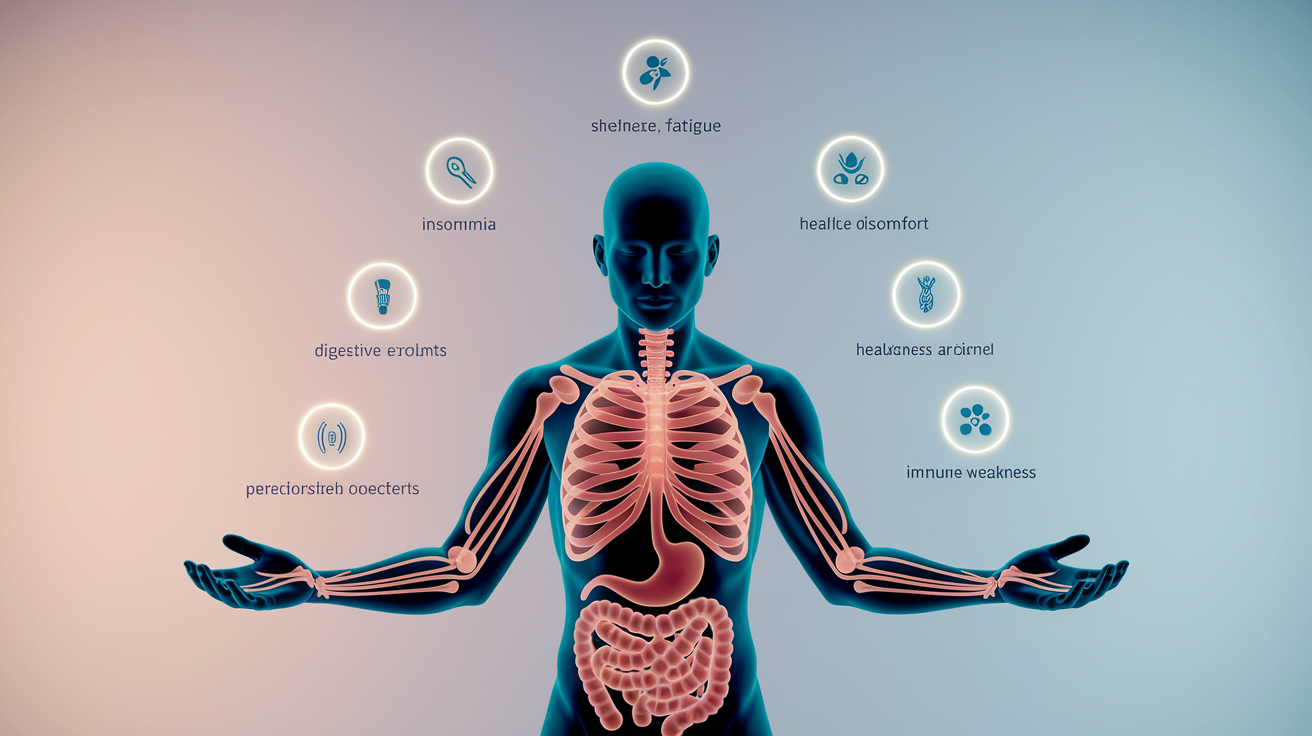
Chronic stress shows up in your body, not just your head. The tricky part? A lot of these symptoms overlap with unrelated health conditions, so it’s worth watching for patterns instead of jumping to conclusions.
Here’s a quick checklist of what chronic stress often looks like physically. Think of it as a starting point for noticing what’s going on with you, not a diagnostic tool.
- Frequent tension headaches or worsening migraines
- Persistent neck, shoulder, back, or general muscle pain
- Jaw clenching, teeth grinding, or TMJ discomfort
- Trouble falling asleep, repeated waking, or unrefreshing sleep
- Fatigue that doesn’t improve with adequate rest
- Indigestion, reflux, nausea, bloating, constipation, or diarrhoea
- Racing heartbeat, palpitations, or chest tightness
- Dizziness, light headedness, sweating, or feeling unusually hot
- Appetite changes, cravings, or unexplained weight change
- Frequent colds, recurrent infections, or slow wound healing
- Acne, eczema, psoriasis, or other skin flare ups
- Increased hair shedding
- Shortness of breath, shallow breathing, or hyperventilation
- Menstrual changes, reduced libido, or erectile difficulties
One symptom on a rough day doesn’t tell you much. But when a few of these stick around for weeks and start messing with your sleep, work, or exercise, that cluster points toward something bigger than a bad week. Fatigue that won’t budge no matter how much you sleep, paired with tight muscles in your neck and shoulders, is a pretty common combo. So is a run of headaches alongside stress related sleep problems, the kind where you’re lying there replaying the day.
Gastrointestinal symptoms like a tight, upset stomach often tag along too. Chest tightness and heart palpitations tend to show up as a package deal. And if you’ve noticed skin flare ups rising and falling with your stress levels, or you’re seeing several of these physical signs piling up at once, that pattern is worth tracking.
For a deeper breakdown, “What Are the Physical Signs of Stress? 12 Common Symptoms to Recognise” is a solid resource worth a look.
| Pattern | Typical Duration | Common Physical Effects | What to Notice |
|---|---|---|---|
| Acute stress | Minutes to a few days | Temporary sweating, muscle tension, racing heart, brief digestive upset | Symptoms ease once the stressful event passes |
| Chronic stress | Six weeks or more, often three months or longer | Persistent headaches, ongoing fatigue, sleep disruption, digestive issues, frequent illness | Symptoms persist, cluster together, or worsen even without an obvious trigger |
Why Chronic Stress Produces Physical Symptoms
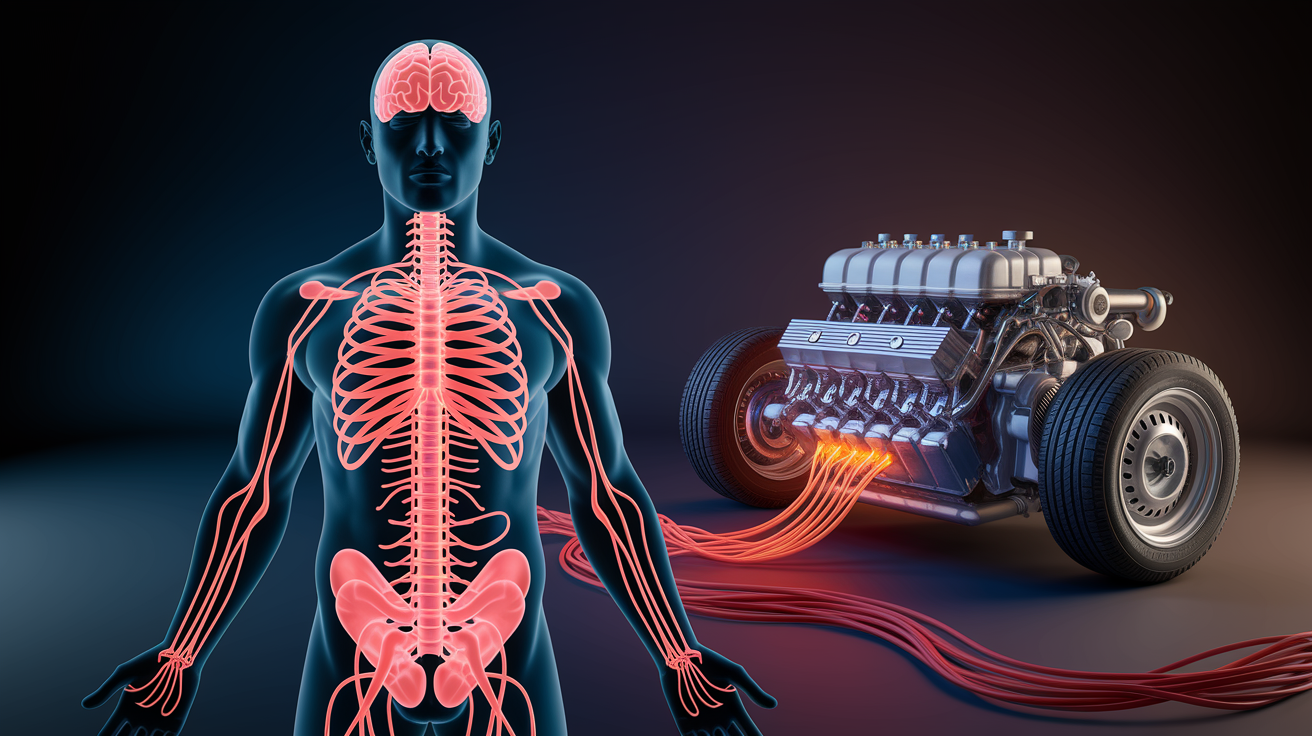
When something stressful happens, your body reacts fast. The sympathetic nervous system kicks in alongside the hypothalamic pituitary adrenal axis, better known as the HPA axis, releasing adrenaline and cortisol into your bloodstream. This is your body’s built in alarm system, and for a short burst, it’s actually helpful. Your heart rate climbs, your breathing quickens, you start sweating, your blood pressure rises, and your muscles tense up, ready for action. That’s the classic fight or flight response, and it’s meant to be temporary.
Here’s the tricky part. When stress doesn’t let up, that alarm system never gets the memo to switch off. Repeated activation of the HPA axis and sympathetic nervous system keeps your body stuck in an “on” state. Over time, this starts interfering with sleep, slowing down digestion or making it erratic, limiting how well your muscles recover, weakening immune defenses, keeping blood pressure elevated longer than it should be, and throwing off blood sugar regulation. It’s a bit like leaving a car engine revving in the driveway for weeks. Eventually something wears down.
This cumulative wear and tear has a name: allostatic load. It’s a useful concept for understanding how your body adapts, again and again, to ongoing pressure, and how that repeated adaptation adds up. You don’t need a commercial cortisol dysregulation test, salivary cortisol panel, hair cortisol analysis, or inflammation markers like CRP or IL 6 to recognize you’re dealing with a stress pattern. Those tests exist, and a clinician might use them in specific situations, but interpreting them is a medical decision, not a self assessment one. For most people, noticing a racing heart or constant jitteriness, and tracking how long they last, tells you more than a lab value ever could on its own. For more on how prolonged stress affects your body system by system, “How Long Term Stress Affects Your Body and How You Can Fight Back” digs into the long term health consequences in more depth.
Final Words
If you notice tight shoulders, trouble sleeping, headaches, or tummy upset that won’t quit, that’s the kind of thing we tackled here.
You’ve got a 14-item checklist to scan your body, a short note on when clusters point to ongoing problems, and a simple table showing acute vs chronic patterns.
We also explained how repeated “on” mode — adrenaline, cortisol, HPA-axis strain — can affect sleep, digestion, immunity, and recovery. Spotting the physical signs of chronic stress lets you test small fixes, track results, and move toward feeling better.
FAQ
Q: How can I cope with anxiety?
A: Coping with anxiety means using simple, short tools: breathe slowly, ground with your five senses, walk for 10 minutes, limit caffeine, and name one worry. Try one strategy for a week and track changes.
Q: What are the physical symptoms of high stress?
A: The physical symptoms of high stress include tension headaches, neck and shoulder pain, jaw clenching, poor sleep, constant fatigue, digestive upset, fast heartbeat, chest tightness, skin flare-ups, and frequent infections.
Q: How to keep mind calm and peaceful?
A: Keeping your mind calm and peaceful means using small daily anchors: a short breathing break, a predictable wind-down routine, brief walks, limiting screens before bed, and a 10-minute “worry time” to contain anxious thoughts.
Q: What to do when you can’t cope with life?
A: When you can’t cope with life, start by keeping yourself safe: tell someone trusted, remove immediate risks, contact your clinician or a crisis line, and consider short, manageable steps while you get help.