



What if stress is quietly rewiring your body and raising your risk for real health problems?
Most people miss the signs until they add up.
In a 2022 survey, 76 percent reported at least one stress symptom in the past month.
We’ll map the hidden pathways from pressure to pain, point out warning signs to track, and give small tracking steps you can try right away.
What Happens When Stress Hits Your Body
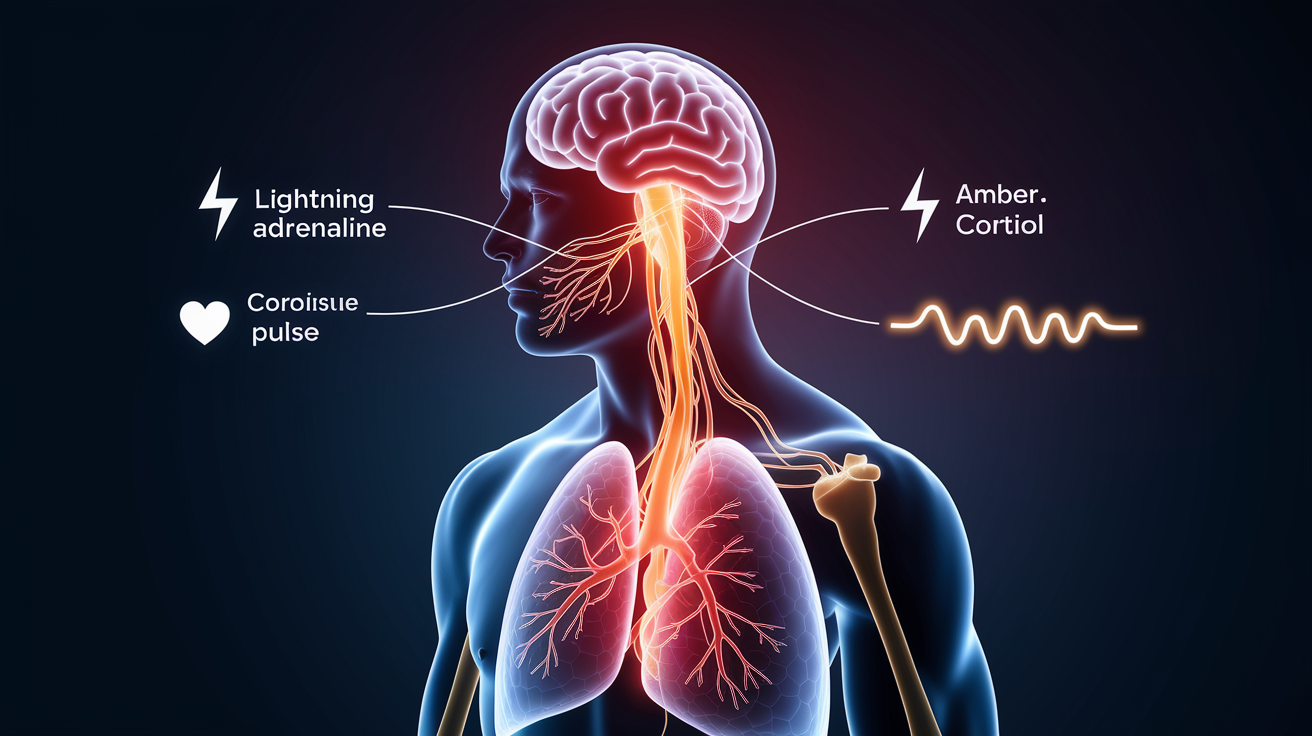
Stress rapidly raises your heart rate, blood pressure, breathing rate, alertness, and blood glucose. When this response gets triggered over and over, prolonged activation can disrupt your cardiovascular, immune, digestive, nervous, and musculoskeletal health. That’s the short version. Here’s how it actually works.
Stress is simply your body’s response to a perceived demand or threat, real or not. There are two main flavors. Acute stress is temporary and adaptive, like the jolt you feel before a big presentation that fades once it’s over. Chronic stress is different. It happens when that same response stays switched on, or gets triggered again and again, with no real chance to reset.
Here’s the plain-language version of what’s going on inside. When your brain senses a threat, it kicks off the fight or flight response through your sympathetic nervous system. At the same time, the HPA axis gets involved. Your hypothalamus signals your pituitary gland, which signals your adrenal glands, which release adrenaline and cortisol. These hormones mobilize energy fast, sharpen focus, and prepare your muscles to act.
Here’s a simple way to picture the pathway:
Perceived stressor → Hypothalamus →
Branch 1: Sympathetic nervous system → Adrenal medulla → Adrenaline → Rapid cardiovascular and respiratory activation
Branch 2: Pituitary gland → Adrenal cortex → Cortisol → Increased energy availability and prolonged stress regulation
After an acute stressor passes, your body generally recovers. Heart rate slows, breathing evens out, cortisol drops back down. Chronic activation doesn’t allow for that recovery, and the strain adds up over time. This isn’t rare, either. A 2022 survey found that 76 percent of people reported at least one stress symptom in the previous month, which tells you this is less an occasional hiccup and more a daily reality for most people.
Next, let’s look at what sustained activation actually does to your major body systems.
How Chronic Stress Affects The Body’s Major Systems
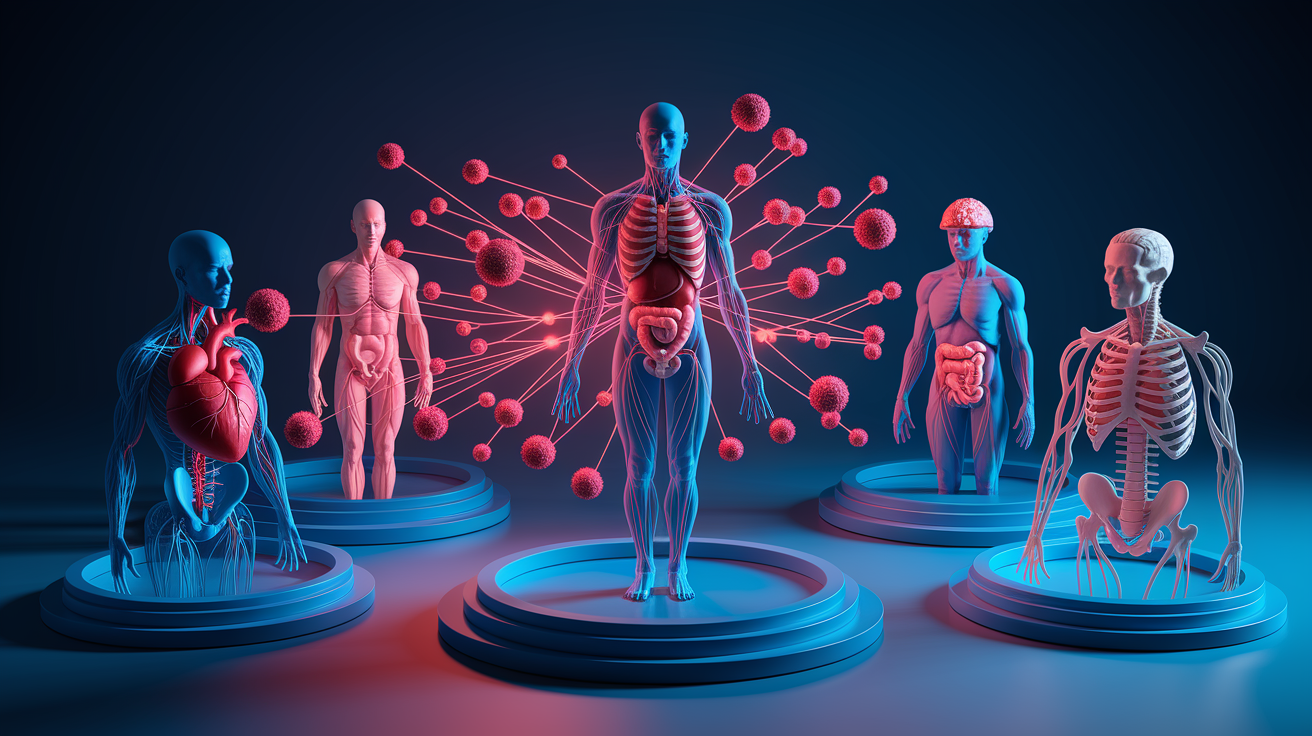
When sympathetic and HPA axis activation keeps firing again and again, it doesn’t stay contained to one area. Chronic stress can alter vascular function, inflammation levels, immune regulation, digestion, nervous system recovery, and muscle tension, often all at once.
| Body System | Stress-Driven Mechanism | Potential Health Consequences and Cross-Reference |
|---|---|---|
| Nervous | Sustained autonomic activation, altered cortisol regulation, reduced parasympathetic recovery | See the mental and emotional section for psychological and cognitive experiences |
| Immune | Altered glucocorticoid signaling, persistent inflammation, immune dysregulation | See the physical warning signs section for recognisable signs |
| Digestive | Altered gut motility, secretion, permeability, microbiome balance, and gut-brain signaling | May worsen IBS and GERD, see warning signs section |
| Cardiovascular | Repeated vascular constriction, hemodynamic load, endothelial strain, inflammation | Hypertension, heart disease, and stroke risk |
| Musculoskeletal | Sustained muscle guarding and impaired recovery | Persistent pain, see warning signs section |
What’s tricky here is that none of these systems operate in isolation. Autonomic, hormonal, inflammatory, and gut-brain pathways all talk to each other. Vascular strain can feed inflammation. Gut-brain signaling disruption can worsen digestive problems while also affecting mood. So strain in one area often makes dysfunction in another area worse, and that’s part of why chronic stress can feel like it’s everywhere at once.
Physical Warning Signs of How Stress Affects the Body

Chronic stress often shows up in your body before you ever connect the dots back to stress itself. You might just think you’re coming down with something, or that you’re simply tired.
Here are five physical warning signs worth tracking:
- Frequent headaches or persistent muscle tension, especially around the neck and shoulders.
- Digestive changes, including nausea, bloating, or shifts in appetite.
- Disrupted sleep or insomnia despite feeling physically exhausted.
- More frequent illness or slower recovery and wound healing.
- Unexplained fatigue or low energy that doesn’t improve with rest.
Any one of these on its own is easy to brush off. A headache here, a rough night of sleep there. But when they show up together, or stick around for weeks or months, that’s a pattern worth paying attention to, and worth bringing up with a healthcare professional.
Mental and Emotional Impact of Stress on the Body
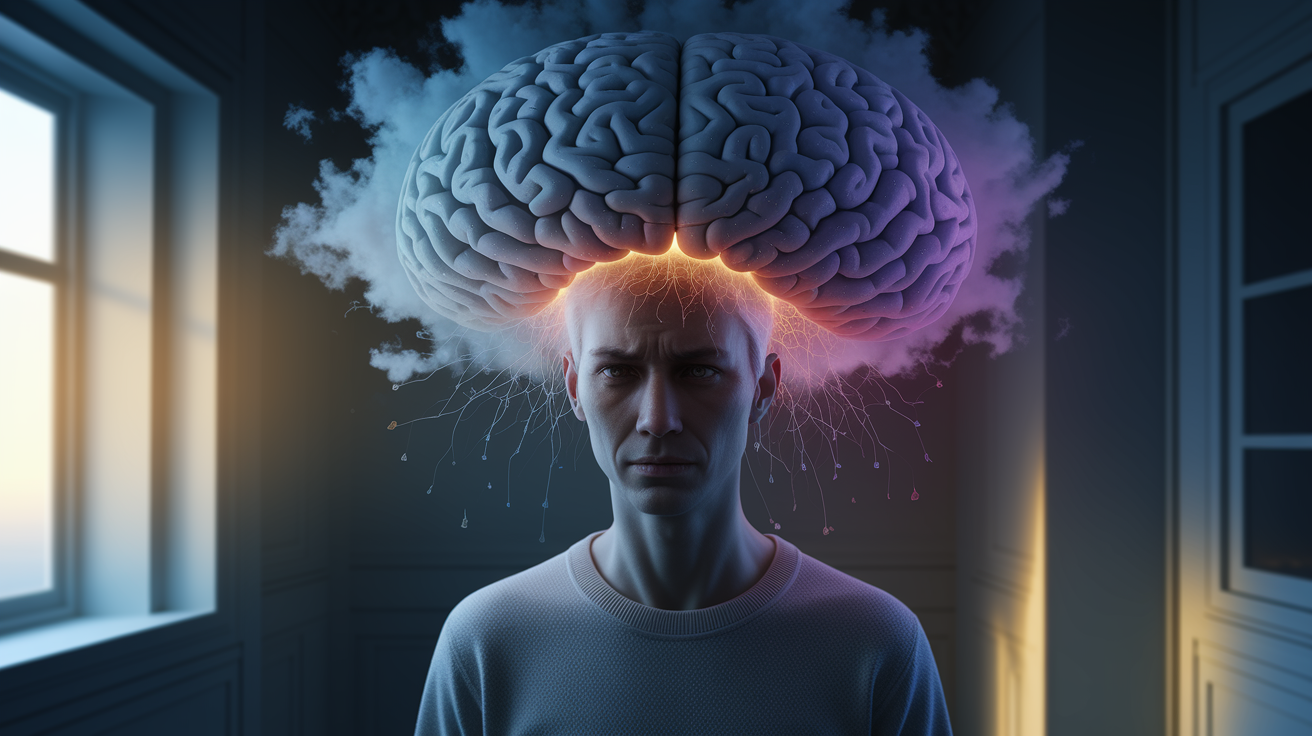
Stress doesn’t just live in your muscles and gut, it reaches your brain too. Sustained cortisol exposure and a disrupted stress response can affect the brain regions involved in memory, concentration, and emotional regulation. That foggy head or short fuse you’ve been noticing? It may be more connected to your stress load than you’d think.
Chronic stress is also linked to a higher risk of anxiety and depression. This can look like persistent worry that won’t quiet down, irritability that seems to come out of nowhere, a low mood that lingers, or mood swings that feel harder to control than usual.
Common mental and behavioral signs include:
- Persistent worry, dread, or irritability.
- Difficulty concentrating, remembering information, or making decisions.
- Social withdrawal or loss of interest in usual activities.
- Increased reliance on alcohol or other substances
Final Words
Stress quickly raises heart rate, blood pressure, breathing, alertness, and blood sugar, and if it’s on too long it strains the heart, immune system, digestion, nerves, and muscles.
The brain flips on the sympathetic fight-or-flight response and the HPA axis, releasing adrenaline and cortisol to mobilize energy; acute stress helps you act, chronic stress keeps systems stuck and can cause headaches, poor sleep, low energy, mood swings, or digestive trouble.
Track patterns, try one small test (a wind-down, lighter training, or extra water), and note what changes. Small steps help reduce strain and improve how stress affects the body.
FAQ
Q: What are 7 warning signs of stress?
A: Seven warning signs of stress include frequent headaches, persistent muscle tension (especially neck and shoulders), sleep trouble or insomnia, unexplained fatigue, digestive changes (nausea or bloating), appetite shifts or weight change, and more frequent illness.
Q: What are the physical symptoms of extreme stress?
A: The physical symptoms of extreme stress are a racing heart, sharp chest tightness or breathlessness, fainting or lightheadedness, severe headaches, marked digestive upset, weakened immunity with frequent infections, and very slow wound healing.
Q: How to heal your body from stress?
A: To heal your body from stress, start simple: improve sleep routine, practice daily deep breathing, move gently, prioritize hydration and protein, reduce major stressors, track patterns, and get medical help if symptoms don’t improve.
Q: What are signs your body is shutting down from stress?
A: Signs your body is shutting down from stress include overwhelming exhaustion, inability to function or get out of bed, severe cognitive fog, collapsing immune function with frequent infections, fainting spells, chest pain, or suicidal thoughts — get urgent medical help.