



What if the rush you feel at a tense email is the same program that once saved people from predators?
Your body runs a built-in alarm network that flips on physical, mental, and behavioral changes in seconds.
This post explains that system simply: the fast fight-or-flight surge, the slower cortisol backup, and the brain regions that act like gas, brakes, and dispatchers.
You’ll learn what signals to track, what patterns those signals suggest, and small tests you can try to calm the system and see if things change.
What The Stress Response System Really Means
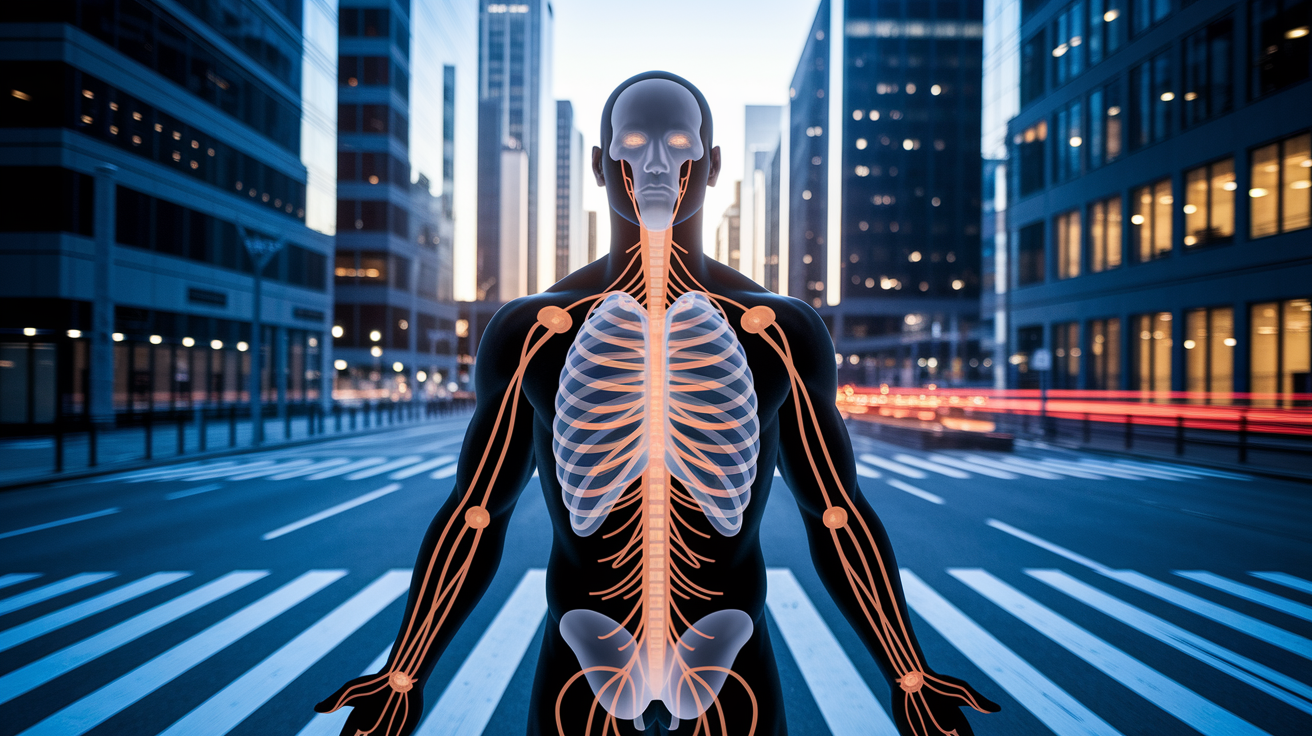
Your stress response system works like a built in alarm network. It’s a coordinated reaction, physical, mental, and behavioral, that kicks in the moment your brain senses a threat. Think of it as an emergency broadcast system, sending signals through nerves and hormones to get you ready to act fast.
This isn’t some modern quirk, either. It’s an evolutionary survival tool. Thousands of years ago, a fast nervous system response meant the difference between outrunning a predator and becoming lunch. Your body still runs that same ancient software today, even when the “threat” is a tense email or a traffic jam instead of a wild animal. Psychological stress, in plain terms, is your brain’s judgment that a situation demands more than you’ve got readily available, whether that’s time, energy, or control.
To make this happen, your body relies on two systems working at different speeds. The first is fast. It’s called the SAM pathway (short for sympathetic adrenal medullary), and it’s the engine behind the classic fight or flight response. This is your autonomic nervous system in action, the part that runs in the background without you thinking about it, handling things like heart rate and breathing. The second system is slower and longer lasting. It’s called the HPA axis, and it keeps your body on alert if the stress doesn’t pass quickly. We’ll get into how each one actually works in the next section.
Here’s a distinction worth knowing early. Homeostasis is your body’s drive to stay steady, like keeping your temperature or blood sugar in a narrow safe zone. Allostasis is different. It’s stability through change, your body actively adjusting its systems to handle a shifting demand, like ramping up heart rate during stress, then ramping back down. Stress responses are allostasis in action.
How The Stress Response System Works Step By Step
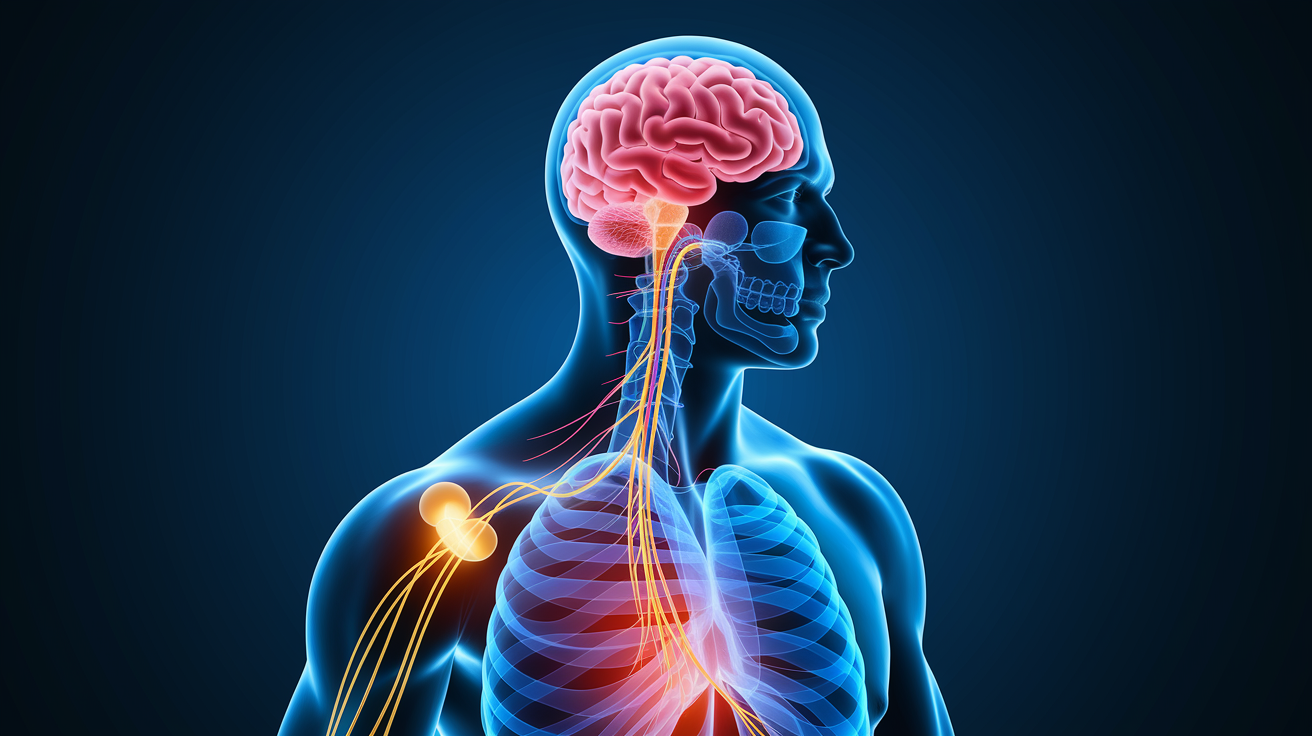
Once your brain decides something is a threat, it sets off a chain reaction. Each link triggers the next, almost like dominoes falling, except some of these dominoes move at the speed of an electrical signal and others move at the pace of a hormone traveling through your bloodstream.
Here’s how it typically unfolds.
-
Sensory input and threat detection. Your eyes, ears, or other senses pick up something that might be dangerous, a loud noise, a sudden movement, a threatening tone of voice. This information gets routed to the brain almost instantly.
-
Amygdala alarm. The amygdala, a small almond shaped structure deep in your brain, evaluates that sensory input for emotional danger. If it decides something’s wrong, it sounds the alarm.
-
Hypothalamus command. The amygdala’s signal reaches the hypothalamus, which acts like a command center. It decides how to mobilize the rest of the body, using the autonomic nervous system to pull the trigger.
-
Sympathetic surge and adrenaline release. The sympathetic nervous system sends rapid electrical signals to the adrenal medulla (the inner part of your adrenal glands, sitting right on top of your kidneys). Within seconds, adrenaline (epinephrine) and noradrenaline (norepinephrine) flood your bloodstream. Heart rate climbs, blood pressure rises, breathing speeds up, pupils dilate, and stored glucose gets released for quick energy.
-
HPA axis activation, if the threat sticks around. If the stressor doesn’t resolve quickly, the hypothalamus releases corticotropin releasing hormone (CRH). This travels to the pituitary gland, which releases adrenocorticotropic hormone (ACTH). ACTH then signals the adrenal cortex (the outer layer of the adrenal glands) to release cortisol, which peaks roughly 20 to 30 minutes after the stress began.
-
Parasympathetic recovery. Once the threat passes, the parasympathetic nervous system, often called “rest and digest,” steps in to bring heart rate, breathing, and digestion back to baseline.
What’s worth noticing here is the speed gap. The sympathetic surge happens in seconds. The HPA axis takes minutes to ramp up. That’s by design, your body wants an instant reaction first, with a slower, sustaining backup system in case the danger doesn’t go away.
The Brain Regions Behind The Stress Response
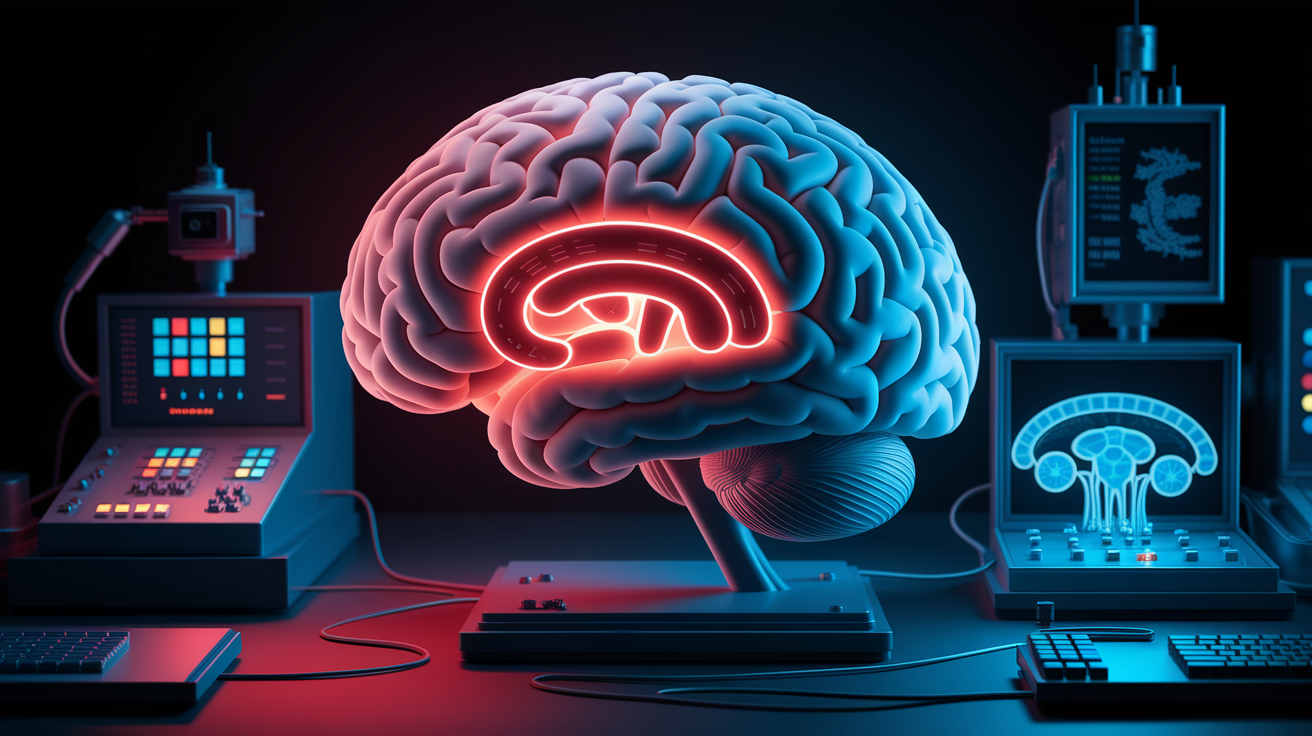
Your brain isn’t just reacting randomly during stress. It’s running a coordinated operation, with different regions playing very specific roles, almost like a small team with clearly divided jobs.
The amygdala works like the gas pedal. It’s part of the limbic system, the brain’s emotional processing network, and its main job during stress is detecting emotional threats fast. Once it senses danger, it stimulates the HPA axis and gets the whole response rolling, often before you’ve consciously processed what’s happening.
The hypothalamus is the dispatcher. It takes the amygdala’s alarm and translates it into action, coordinating both the autonomic nervous system and the hormonal cascade that becomes the HPA axis. It sits right at the intersection of feeling something and doing something about it.
The hippocampus works more like the brake. It’s packed with cortisol receptors, which means it’s highly sensitive to how much stress hormone is circulating. When cortisol levels climb high enough, the hippocampus steps in and inhibits the hypothalamus, helping shut the response down. It’s also deeply tied to memory, which is part of why stressful events often stick with us so vividly.
The prefrontal cortex adds context. This is the part of your brain responsible for judgment, planning, and rational thinking. It helps evaluate whether a situation is actually dangerous or just feels that way, like a loud noise that turns out to be harmless.
Together, these regions create a push and pull dynamic. The amygdala pushes the response forward, the hippocampus and prefrontal cortex pull it back when appropriate, and the hypothalamus sits in the middle, translating all of it into a physical reaction that’s supposed to match the actual size of the threat.
Key Hormones Driving The Stress Response System
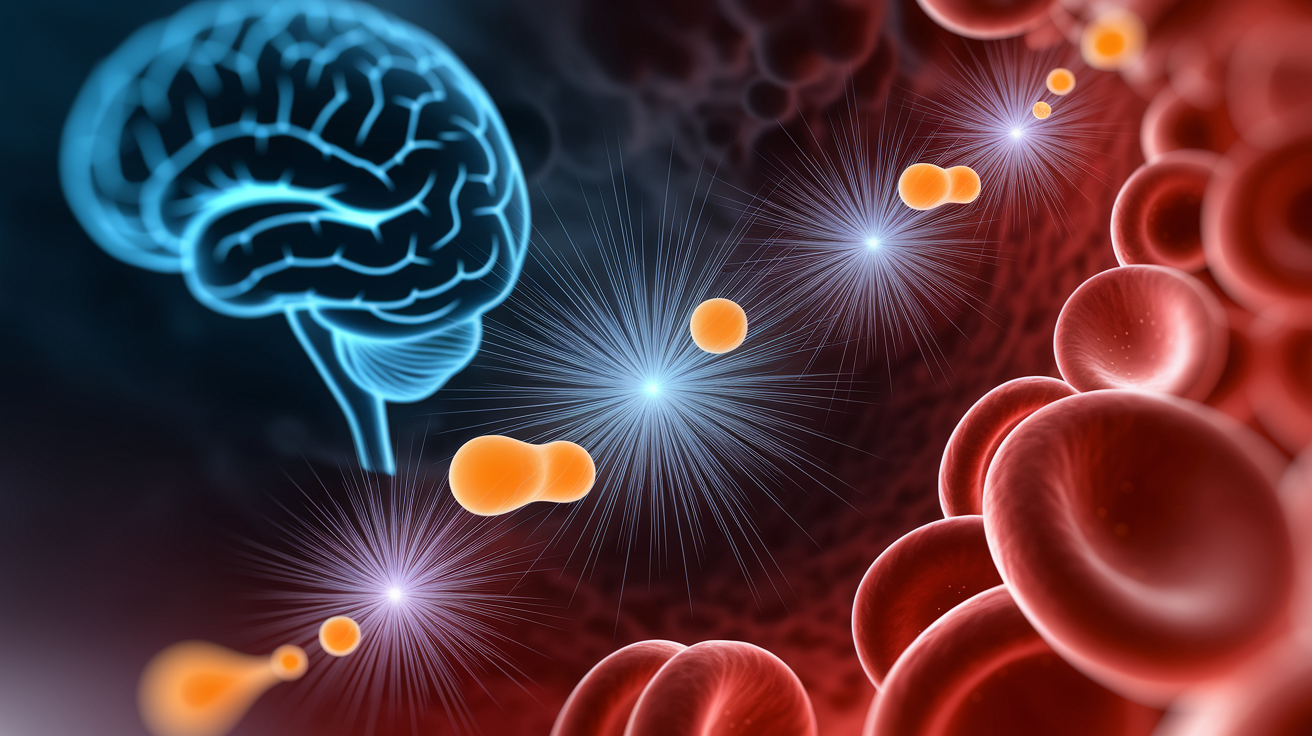
If brain regions are the control centers, hormones are the messengers carrying out their orders. Each one has a distinct job, and each works on its own timeline.
Final Words
We saw the body swing into action: a fast autonomic surge for immediate danger and a slower HPA hormonal response if the threat keeps going.
You learned the step-by-step cascade, the brain players (amygdala, hypothalamus, hippocampus, prefrontal cortex), and the key hormones, adrenaline, noradrenaline, and cortisol.
Use that map to spot patterns and run small tests, try breathing, shift sleep timing, or note typical triggers. A quick way to sum up stress response system explained: it’s an alarm plus a hormone follow-up built to protect you; track it, and you’ll find practical steps that help.
FAQ
Q: How to break the cycle of chronic stress?
A: Breaking the cycle of chronic stress means building small, repeatable habits that lower reactivity and improve recovery. Track triggers, add two-minute breathing or walk breaks, protect sleep and boundaries, reassess in one week, and contact a clinician if things worsen.
Q: What are signs your body is shutting down from stress?
A: Signs your body is shutting down from stress include extreme fatigue, slowed thinking, low appetite, frequent infections, and reduced sex drive. Track patterns and see a clinician if symptoms are sudden or severe.
Q: What body parts hold the most stress?
A: Body parts that often hold stress are the neck and shoulders, jaw, gut, chest, and hips. Notice tightness, log when it happens, try gentle movement or breathing, and test small changes for a week.
Q: What are the four main types of stress responses?
A: The four main stress responses are fight (standing up or anger), flight (running or avoidance), freeze (numbing or stillness), and fawn (people-pleasing to reduce threat). Notice which you default to and try one small behavioral test to shift it.