

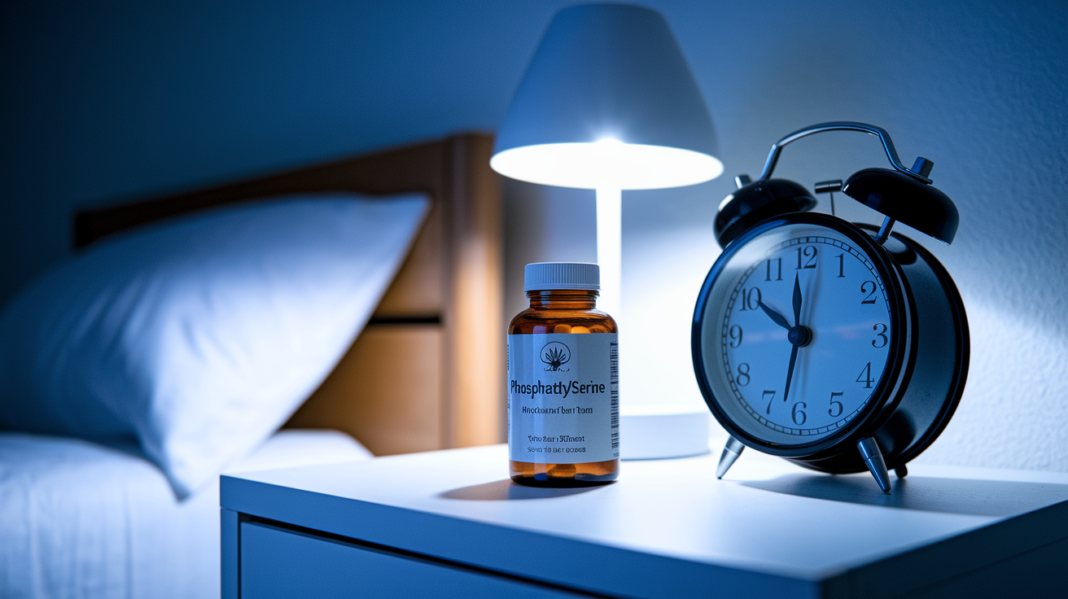

Phosphatidylserine isn’t a sleeping pill, and that’s the point.
Rather than forcing sleep, this brain-friendly fat helps turn down evening cortisol, the stress hormone that keeps you wired.
If your nights end with replaying the day or late-night worry, PS (phosphatidylserine) can be a targeted bedtime boost that calms the hormonal signal so sleep comes more naturally.
It tends to work over days, not the first night, and shows best results when stress is the real cause of your sleeplessness.
This post explains when PS helps, how much to try, and simple next steps.
Does Phosphatidylserine Actually Improve Sleep?
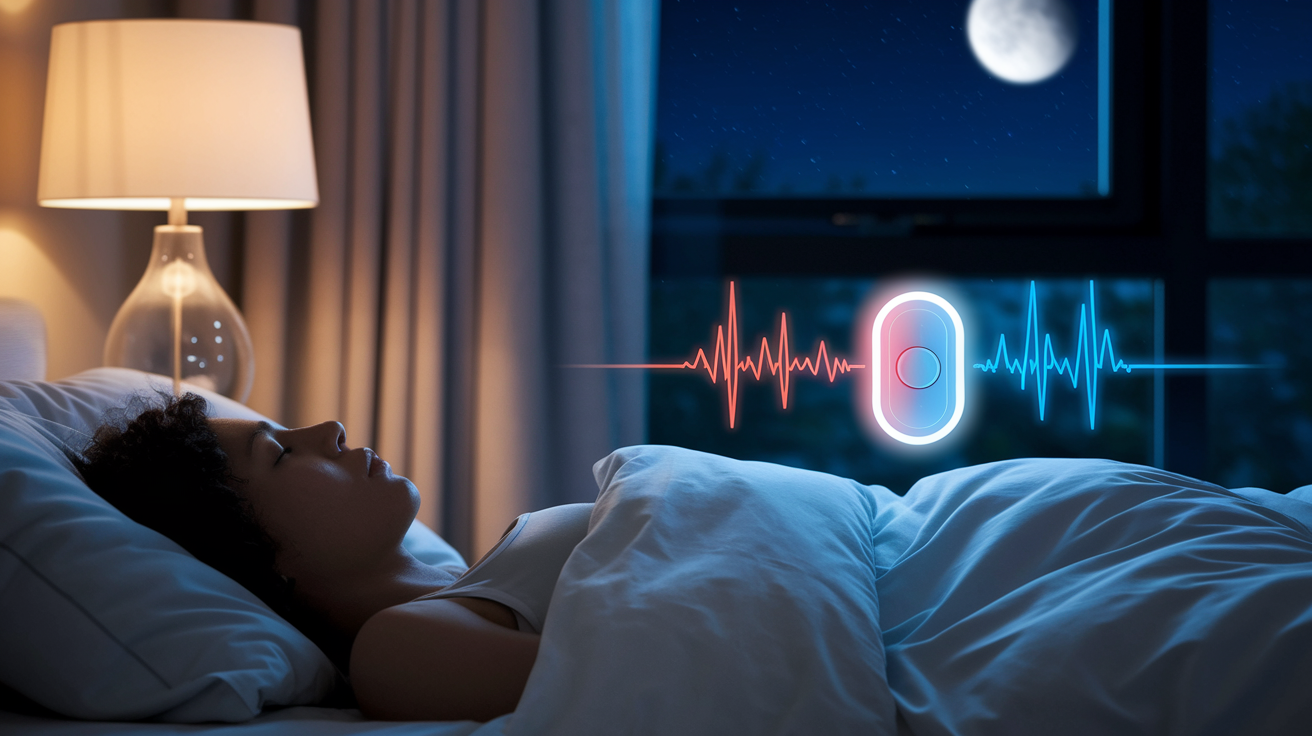
Yes, phosphatidylserine can help you sleep better, but it’s not a magic fix for every kind of sleep trouble. PS works best when your sleep problems come from stress or a cortisol system that’s running overtime in the evening. Think of it less like a sleeping pill and more like a dimmer switch for your body’s stress response. If late-night anxiety or a brain that won’t stop replaying your day is keeping you up, PS targets that specific issue. Got sleep apnea or a shifted body clock instead? PS probably won’t move the needle much.
The research backs this up, though the picture is mixed, and it’s worth knowing which part applies to you. There’s moderate evidence that PS improves sleep when stress is the driver, with human trials showing real cortisol reductions at doses of 300 to 400 mg per day. The evidence for falling asleep faster in general is thinner. Mostly it rests on the logic that lower stress hormones should mean an easier time drifting off. And for primary insomnia that isn’t tied to stress or anxiety, the evidence just isn’t there yet. So PS is a targeted tool, not a broad one.
Here’s the part that trips people up. PS isn’t sedating. It won’t knock you out the way melatonin or a sleep medication might. Instead, it works by addressing the hormonal root cause, cortisol specifically, rather than forcing drowsiness on top of an already stressed-out system. That’s why results tend to build gradually over days and weeks rather than hitting you the first night. Expecting an instant wave of sleepiness? You’ll be disappointed. Looking for your stress hormones to settle down so sleep comes more naturally? That’s where PS tends to shine.
How Phosphatidylserine Affects Your Sleep Wake Cycle

Phosphatidylserine is a phospholipid, basically a fat molecule that helps build and maintain cell membranes. It’s found in every cell in your body, but your brain holds onto it at much higher concentrations than anywhere else. In brain cell membranes, PS makes up roughly 10 to 20 percent of all phospholipids present, which tells you how central it is to how your brain cells function and communicate with each other.
This matters for sleep because PS plays a direct role in regulating your HPA axis, the communication loop between your brain and adrenal glands that controls cortisol release. Cortisol is supposed to follow a daily rhythm: high in the morning to help you wake up, low at night so your body can wind down. When chronic stress throws that rhythm off, cortisol can stay elevated into the evening, keeping your brain alert when it should be powering down. PS appears to help reset this pattern, which is the main reason it shows up in sleep conversations at all.
A few specific mechanisms seem to be at work here:
- Lowering and normalizing cortisol output via HPA axis regulation
- Supporting serotonin production, which is linked to both mood and sleep quality
- Re-sensitizing cortisol receptors so your body stops overproducing stress hormones
- Supporting membrane fluidity in brain cells, which affects how well neurotransmitters signal between cells
PS also contributes to the production of several neurotransmitters beyond serotonin, including acetylcholine, norepinephrine, and dopamine. All of these touch on mood, alertness, and how your brain handles stress.
A 1992 study published in the European Journal of Clinical Pharmacology found that chronic PS administration blunted stress induced HPA axis activation in healthy men, an early piece of evidence for the cortisol connection. More recently, an animal study published June 7, 2018, using a Parkinson’s model, found that restoring brain PS levels normalized sleep patterns in the animals studied. Together, these findings point to a consistent story. PS seems to work on the hormonal wiring behind sleep, not on sleep itself directly.
Phosphatidylserine Dosage for Sleep: How Much and When
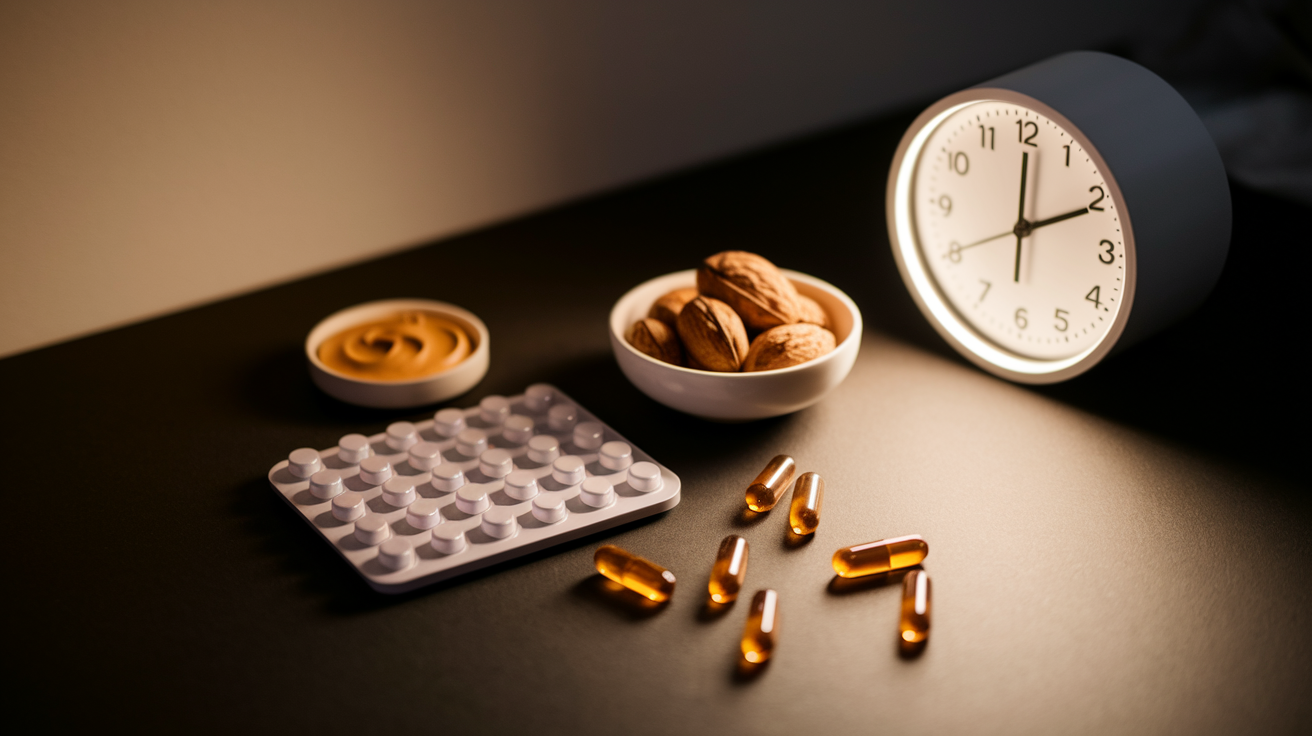
Getting the dose and timing right matters more with PS than with a lot of supplements, mostly because it works gradually and depends on consistent daily use. Most of the research on sleep and stress uses doses somewhere between 100 mg and 800 mg per day, with the sweet spot for most people landing well below the upper limit.
| Goal | Dosage | Timing |
|---|---|---|
| General stress-related sleep support | 100-300 mg/day | Split into 2-3 doses with meals, or one dose at bedtime |
| Moderate cortisol and stress-response support | 300 mg/day | 100 mg with breakfast, lunch, and dinner |
| Higher-intensity stress or clinical-study range | 400-800 mg/day | Split across meals; increase by 100 mg every few days |
| Sleep-onset focus (stress keeping you up at night) | 100-300 mg | Single full dose at bedtime, taken with a small fatty snack |
One dose-response study worth noting split volunteers into 400 mg, 600 mg, and 800 mg groups for three weeks. Interestingly, the 400 mg group performed best on stress tests and showed the lowest cortisol overall. More isn’t always better once you’re past a certain threshold.
Timing comes down to two things: your goal and your food. Using PS mainly for daytime stress resilience? Splitting the dose across meals keeps levels steady. If sleep is the main target, taking your full dose at bedtime with a bit of fat (think a few nuts or a spoonful of nut butter) can help, since PS absorbs better alongside dietary fat. Don’t expect overnight results.
Final Words
PS can help with sleep, but mainly when stress and high evening cortisol are the problem. It works by lowering cortisol and calming the HPA axis instead of forcing sleep.
The best human evidence is moderate for stress-related sleep improvement, limited for faster sleep onset, and insufficient for primary insomnia not driven by stress.
It’s not a sedative, so expect gradual shifts over days to weeks. If stress is your trigger, a short tracked experiment with phosphatidylserine sleep may lead to clearer nights — a small, practical step worth trying.
FAQ
Q: Does phosphatidylserine keep you awake?
A: Phosphatidylserine does not typically keep you awake. It’s not a stimulant and works by lowering stress hormones over days to weeks, so it usually won’t cause nighttime alertness.
Q: What not to mix with phosphatidylserine?
A: You should avoid mixing phosphatidylserine with blood thinners (for example warfarin) and with prescription drugs affecting brain chemicals without checking your clinician; always ask about interactions with your specific medications.
Q: How long does it take for phosphatidylserine to lower cortisol?
A: Phosphatidylserine can lower cortisol within 1–2 weeks for some people, with clearer and more consistent effects commonly appearing after 3–4 weeks of daily use, often around 300–400 mg/day.
Q: Does phosphatidylserine lower cortisol levels?
A: Phosphatidylserine can lower cortisol levels. Human studies provide moderate evidence—especially at about 300–400 mg daily—for reducing stress-induced cortisol and helping normalize HPA-axis activity.