

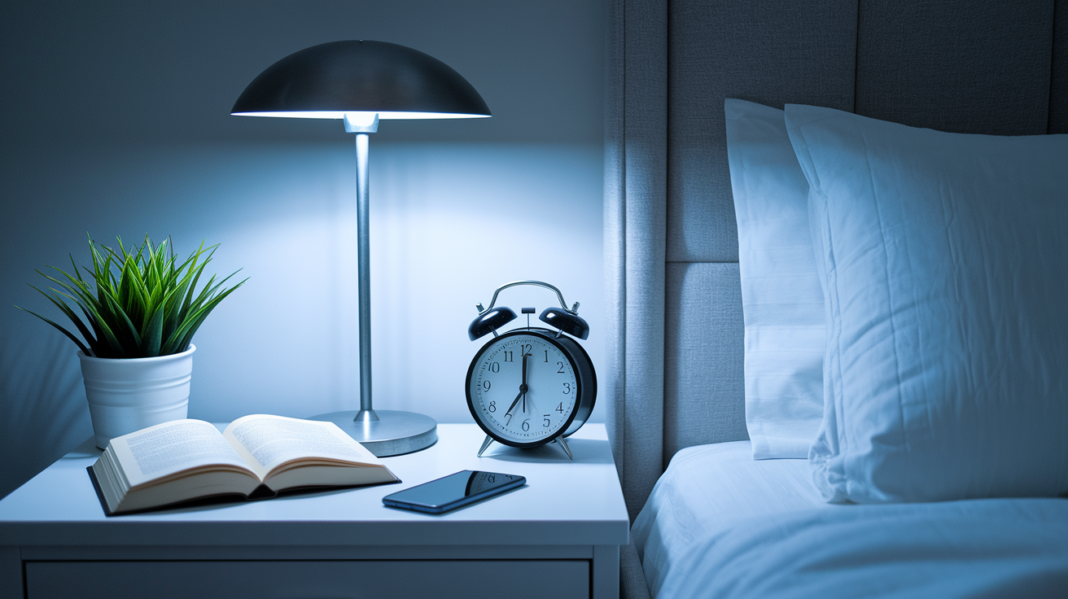

You don’t need pills or a perfect routine to sleep better tonight.
Try two small, repeatable changes and see which one helps.
This post gives ten simple, natural moves you can test right away, like setting a steady wake time, avoiding caffeine late, dimming lights, and cooling your bedroom.
Think of it as a short checklist, not a makeover.
Pick two or three items, try them for a few nights, and track what changes.
By the end you’ll have a simple, practical bedtime plan that actually fits your life.
Quick Sleep Improvements to Try Tonight
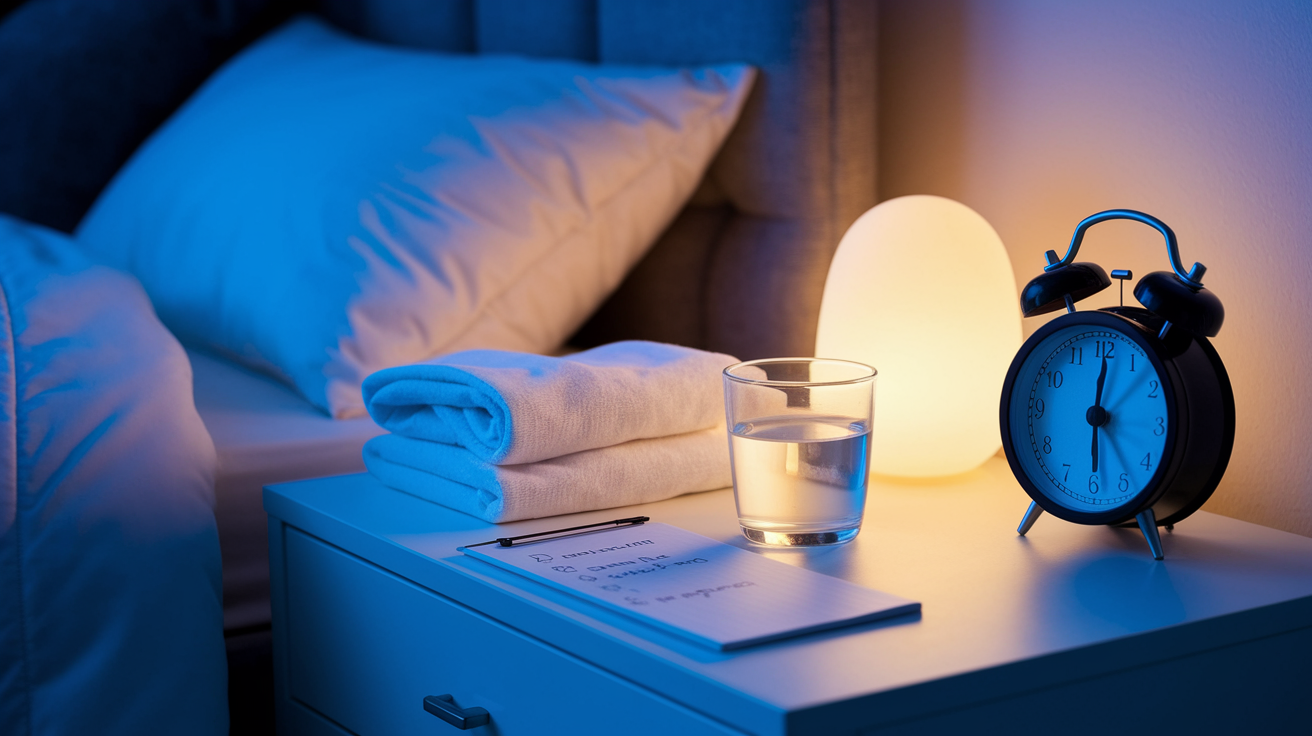
Feeling overwhelmed by this list? Start small. Pick two or three changes, not all ten. Trying everything at once makes it hard to tell what’s actually helping, and honestly, it’s a lot to keep up with on a tired brain.
- Set tomorrow’s wake time and commit to it, no matter how tonight goes.
- Stop caffeine early enough that it won’t still be active at bedtime.
- Keep the evening meal light and go easy on alcohol.
- Finish any vigorous exercise earlier if it tends to leave you wired at night.
- Lower the lighting around your home as evening sets in.
- Put away nonessential screens 30 to 60 minutes before bed.
- Make your bedroom cool, dark, quiet, and comfortable.
- Follow a short, familiar wind-down sequence you can repeat nightly.
- Use a calming technique, like slow breathing, to settle your mind.
- Give yourself enough time in bed for a full night’s sleep, not just a rushed one.
These ten actions work best as a repeatable checklist, something you glance at most nights rather than a one-time fix. Want a deeper look at building this into a full pre-bed sequence? Check out Five Ways to Wind Down Before Bed for a Better Night’s Sleep.
The rest of this article breaks these ideas down further. We’ll cover building a lasting routine, what actually helps your bedroom, which foods and sleep aids are worth trying, relaxation techniques worth practicing, matching a strategy to your specific sleep problem, and tracking what’s working. Think of tonight’s list as your starting point, not the whole plan.
Pros and Cons of Sleep Products and Higher-Risk Interventions
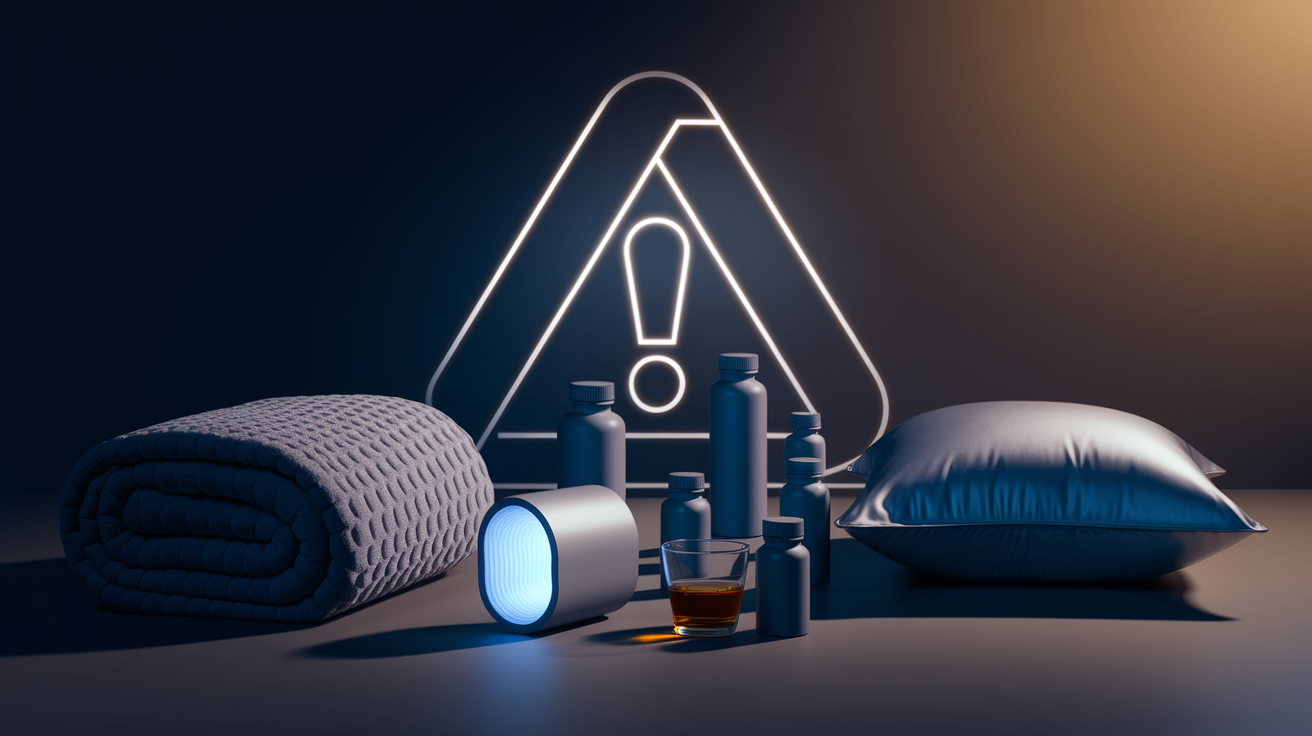
Sleep products can genuinely help with comfort or specific symptoms, but they don’t always fix the reason you’re struggling to sleep in the first place. A weighted blanket might feel soothing. A white noise machine might smooth over a noisy street. Neither one touches stress, an irregular schedule, or an underlying health condition. It helps to know what each option can realistically offer before spending money or trying something new.
| Product or Intervention | Potential Benefit | Main Limitation or Risk | What to Check First |
|---|---|---|---|
| Sound machines | Masks abrupt noises like traffic or a snoring partner | Doesn’t fix the reason you’re waking, only covers the sound | Whether waking coincides with specific noise events |
| Weighted blankets | Can feel calming or grounding for some people | Not suitable for everyone, including some with breathing or circulation concerns | Weight recommendations and any relevant health conditions |
| Mattresses and specialised bedding | May improve comfort and reduce tossing or discomfort | Expensive, and benefit is highly individual | Independent reviews, trial period, return terms |
| Herbal remedies | Some people find mild, calming effects | Quality and dosing vary widely between brands | Ingredient sourcing and dosage on the label |
| Melatonin and other supplements | May help shift sleep timing in some situations | Can interact with medicines or cause next-day grogginess | Medical clearance, especially for regular use |
| Over-the-counter or prescription sleep medicines | May offer short-term relief for severe sleep loss | Risk of tolerance, dependence, or masking an underlying disorder | A conversation with a doctor or pharmacist before starting |
Before buying anything, weigh the claims against the cost, whatever independent evidence exists, the trial and return terms, and your own health conditions and comfort preferences. A product that works well for someone else might do nothing for you. Or might not suit your body at all.
Supplements and medicines deserve extra caution. They can interact with other medications, carry contraindications for certain health conditions, lead to tolerance over time, cause next-day drowsiness, or quietly mask a condition that needs its own treatment. Rather than cycling through product after product, get guidance from a doctor or pharmacist who can look at your full health picture.
How to Build a Consistent Bedtime Routine
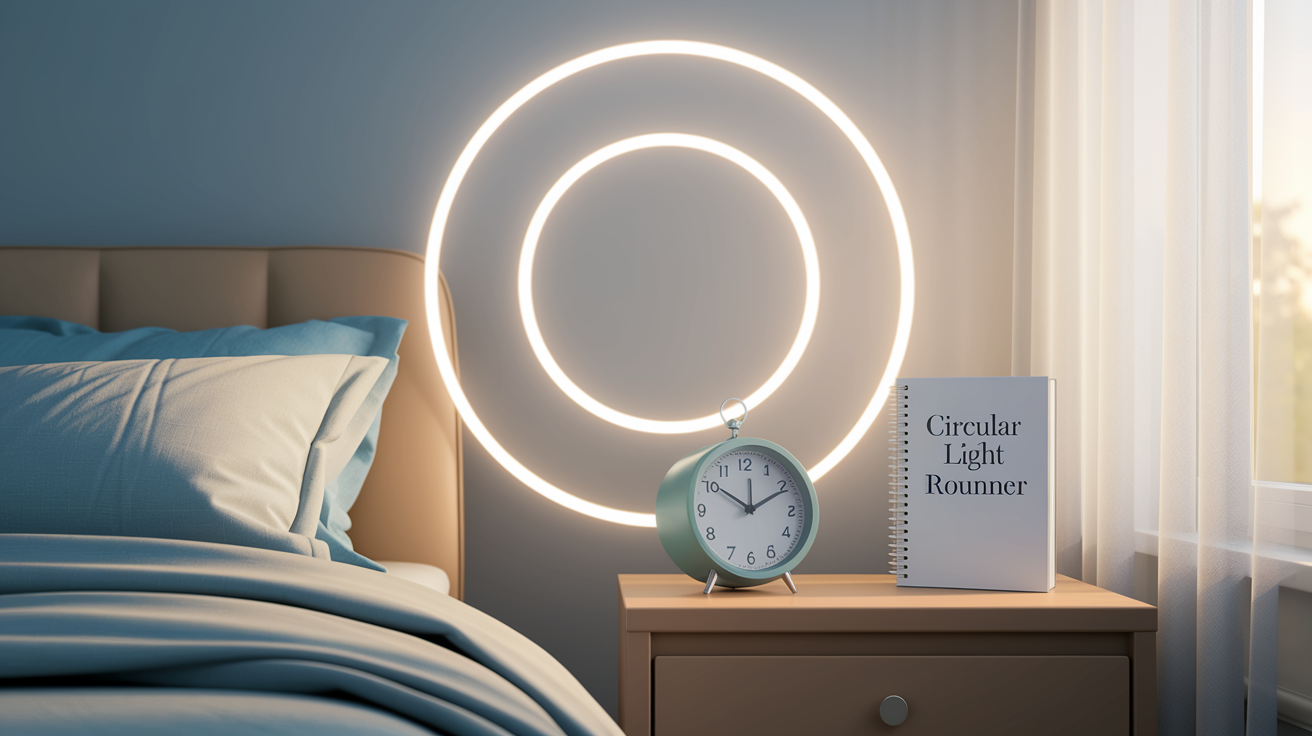
Your body runs on an internal clock, often called your circadian rhythm. It’s shaped mostly by light, timing, and repetition. Alongside that clock is something called sleep pressure, basically your body’s growing need for sleep the longer you’ve been awake. Both work best when your wake time stays steady. That’s why a realistic, consistent wake time matters more than almost anything else in this section.
Big weekend lie-ins, long naps in the late afternoon, scrolling in bed, and stimulating work right before lights-out can all chip away at these systems. They don’t ruin things overnight, but they add up. Quietly shifting your body’s sense of when sleep should happen.
How to Set and Maintain a Sleep Schedule
- Choose a realistic wake time that works on most workdays and days off.
- Estimate a bedtime that gives you an adequate window for sleep.
- Keep your daily timing consistent instead of making up for lost sleep with big shifts.
- Move your schedule gradually, in small steps, when a change is genuinely needed.
- Keep naps brief and earlier in the day if they tend to eat into
Final Words
Start tonight with two or three practical changes you can actually keep. Set a realistic wake time, stop caffeine early enough, and dim lights 30 to 60 minutes before bed.
This post walked through quick tonight-ready steps, routine building, bedroom fixes, food and supplement cautions, relaxation and morning light, problem matching, and systematic tracking. Test one change at a time and track it for a week or two.
These are simple ways to help sleep. Small, steady tweaks add up. Keep going and expect clearer signals and better nights.
FAQ
Q: How do I help me sleep right now?
A: To help you sleep right now, pick two simple changes: dim lights, put away nonessential screens 30–60 minutes before bed, cool the room, and do five minutes of slow breathing to settle the body.
Q: How to survive on 4 hours of sleep?
A: To survive on four hours of sleep, accept it’s short-term: nap 20–40 minutes early afternoon, use a single morning caffeine, get bright light and movement during the day, avoid driving if groggy, and plan recovery sleep soon.
Q: How to stop waking up at 3am?
A: To stop waking up at 3 a.m., address likely triggers: check room temperature and light, avoid late caffeine or alcohol, finish screens earlier, try slow breathing if awake, and keep a consistent wake time.
Q: Why am I feeling so tired but can’t sleep?
A: Feeling tired but unable to sleep usually signals a misaligned schedule, late caffeine or alcohol, stress, or an uncomfortable room; track patterns, try a simple wind-down and room fix, and see a clinician if it continues.