



What if that heavy-eyed fog isn’t just tiredness but a chemical build-up pushing your brain to stop?
Adenosine slowly piles up as your brain uses energy, and that pile creates sleep pressure—the growing urge to rest that shows up by afternoon or late night.
It doesn’t force you out; it nudges neural networks toward sleep and gets cleared while you sleep.
In this post you’ll learn how adenosine works, why it teams with your circadian clock, and simple tracking steps to spot and test the patterns that matter.
What Adenosine Does to Sleep and Drowsiness
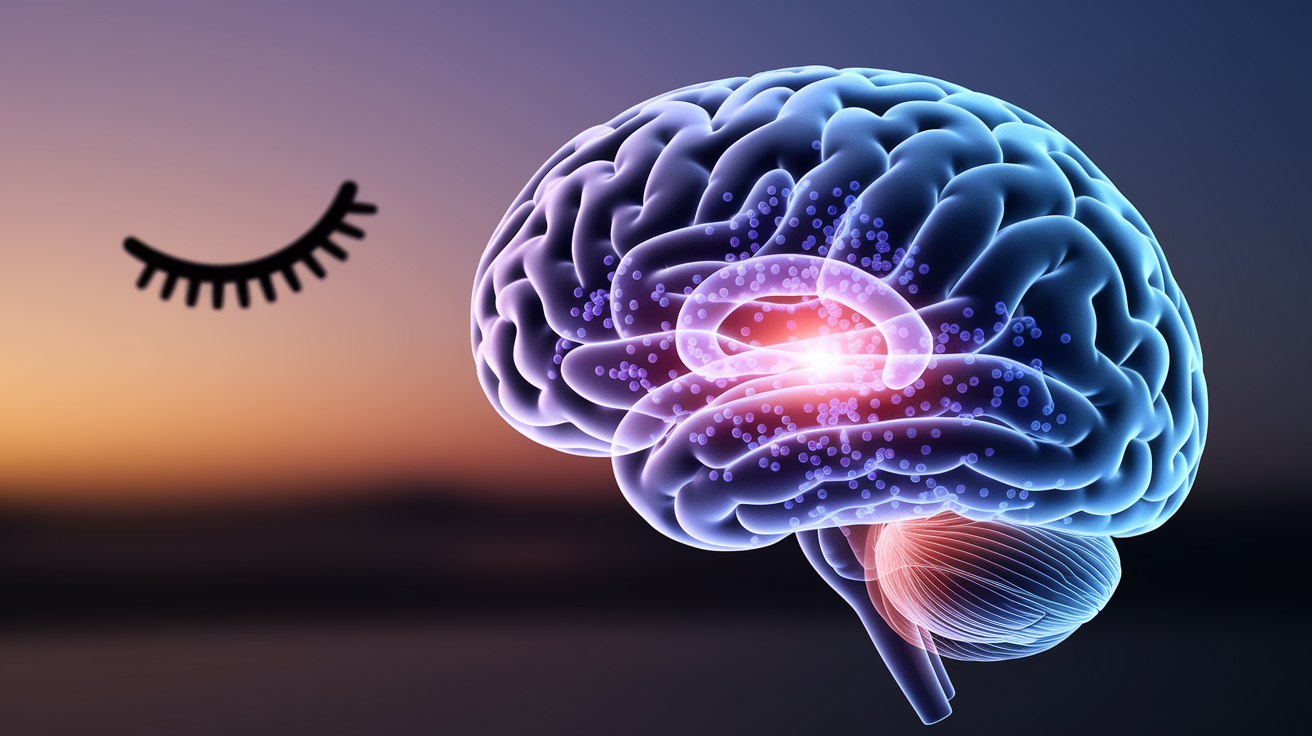
Adenosine gets called a sleep chemical a lot, but that’s not quite the full picture. It’s more accurate to think of it as a neuromodulator, something that shifts and shapes brain activity rather than switching it on or off like a light. It doesn’t knock you out. It nudges your brain, little by little, toward wanting rest.
Here’s where it comes from. Every time your brain cells burn through adenosine triphosphate (ATP), their main fuel source, adenosine gets left behind as a byproduct. Your brain uses more ATP than any other organ in your body, so as you stay awake, think, move, and process the world around you, adenosine keeps building up in the spaces between cells. The longer you’re awake, the more it accumulates. And the more it accumulates, the heavier that pull toward sleep feels. That heavy eyed, foggy headed feeling by mid afternoon or late evening? That’s adenosine accumulation and sleep pressure showing up in real time.
Sleep is what clears it. During sleep, adenosine levels drop and your brain’s energy stores get restored, essentially resetting things for the next waking stretch. This is adenosine clearance during sleep at work, and it’s a core part of adenosine and sleep homeostasis, your body’s internal tracking system for how much rest you need based on how long you’ve been up. But adenosine doesn’t run the show alone. It works alongside your circadian clock, the internal timer that governs when you’re biologically primed for sleep or wakefulness, not just how long you’ve been awake. For a deeper technical breakdown, the Adenosine and sleep overview covers the foundational research.
How the Brain Regulates Extracellular Adenosine
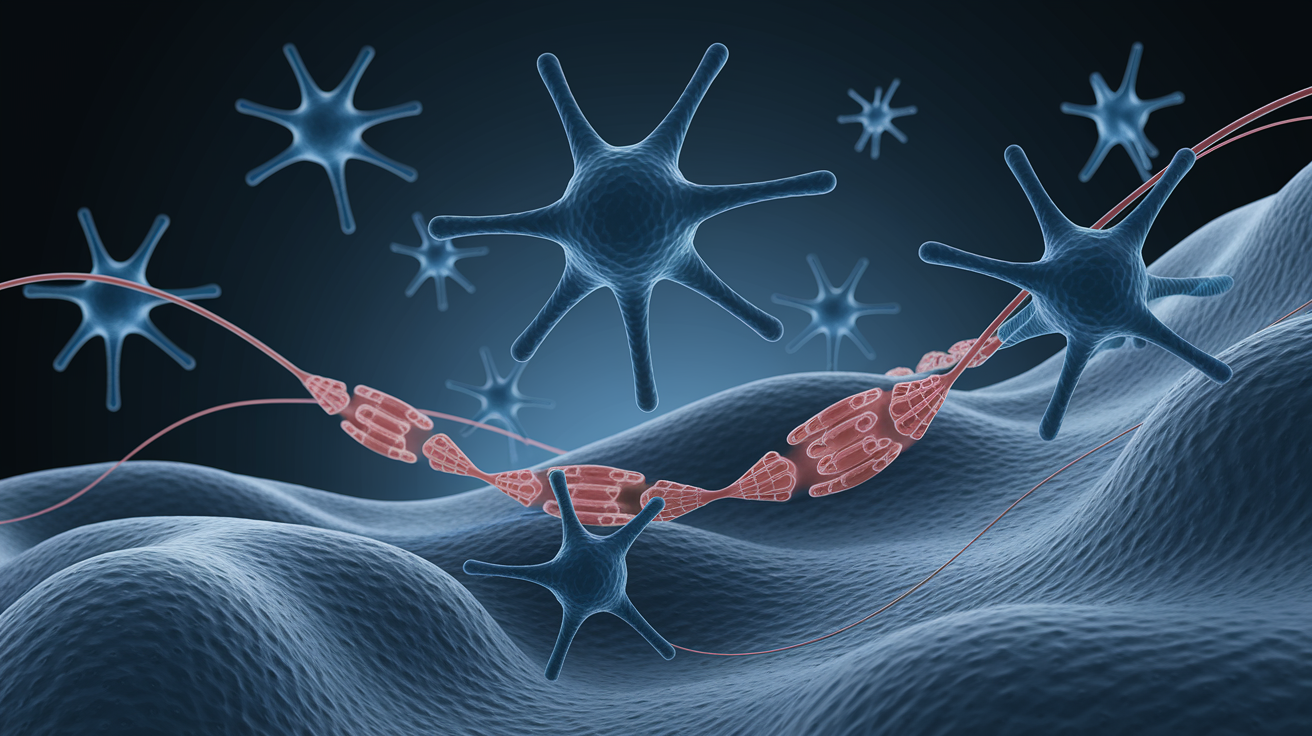
So you know adenosine tracks time spent awake. But what actually happens at the cellular level to make that tracking possible? It comes down to extracellular adenosine, the pool of adenosine sitting outside brain cells where it can bind to receptors and influence signaling. This pool isn’t static. It’s constantly shifting based on release, transport, uptake, and breakdown, almost like a tide going in and out depending on what your brain cells are doing.
Both neurons and astrocytes play a part here. Neurons release adenosine as part of normal signaling and metabolic activity, while astrocytes, the brain’s support cells, contribute their own share, particularly through a process tied to glial energy metabolism. Their relative contributions shift depending on which brain region you’re looking at and what state the brain is in, whether that’s active wakefulness, sleep, or recovery from sleep loss. Adenosine also needs to move across cell membranes, and that’s where transporters called ENT1 and ENT2 come in. These proteins shuttle adenosine in and out of cells based on concentration gradients, helping determine how much ends up available in the extracellular space at any given moment. Once adenosine is out there, two enzymes help control how long it sticks around. Adenosine kinase pulls it back into cells by phosphorylating it, while adenosine deaminase breaks it down into a different compound entirely. Together, they act like a valve system, keeping levels from just endlessly climbing.
| Regulatory Component | Role in Extracellular Adenosine | Relevance During Sleep Deprivation |
|---|---|---|
| Neurons | Release adenosine during normal signaling and metabolic activity | Contribute to region specific changes in adenosine tone |
| Astrocytes | Contribute adenosine through glial metabolic processes | May respond differently than neurons under extended wakefulness |
| ENT1 | Transports adenosine across membranes along concentration gradients | Helps determine local extracellular buildup during long wake periods |
| ENT2 | Works alongside ENT1 in adenosine membrane transport | May show altered activity in specific brain regions under sleep loss |
| Adenosine kinase and adenosine deaminase | Metabolize adenosine through phosphorylation and breakdown | Enzyme activity can shift, affecting how quickly adenosine clears |
None of this plays out the same way everywhere in the brain. Adenosine regulation varies quite a bit by brain region, cell type, and even the specific conditions of a study, which is part of why sleep scientists are still piecing together the full picture.
Adenosine Receptors and Their Effects on Sleep Stages
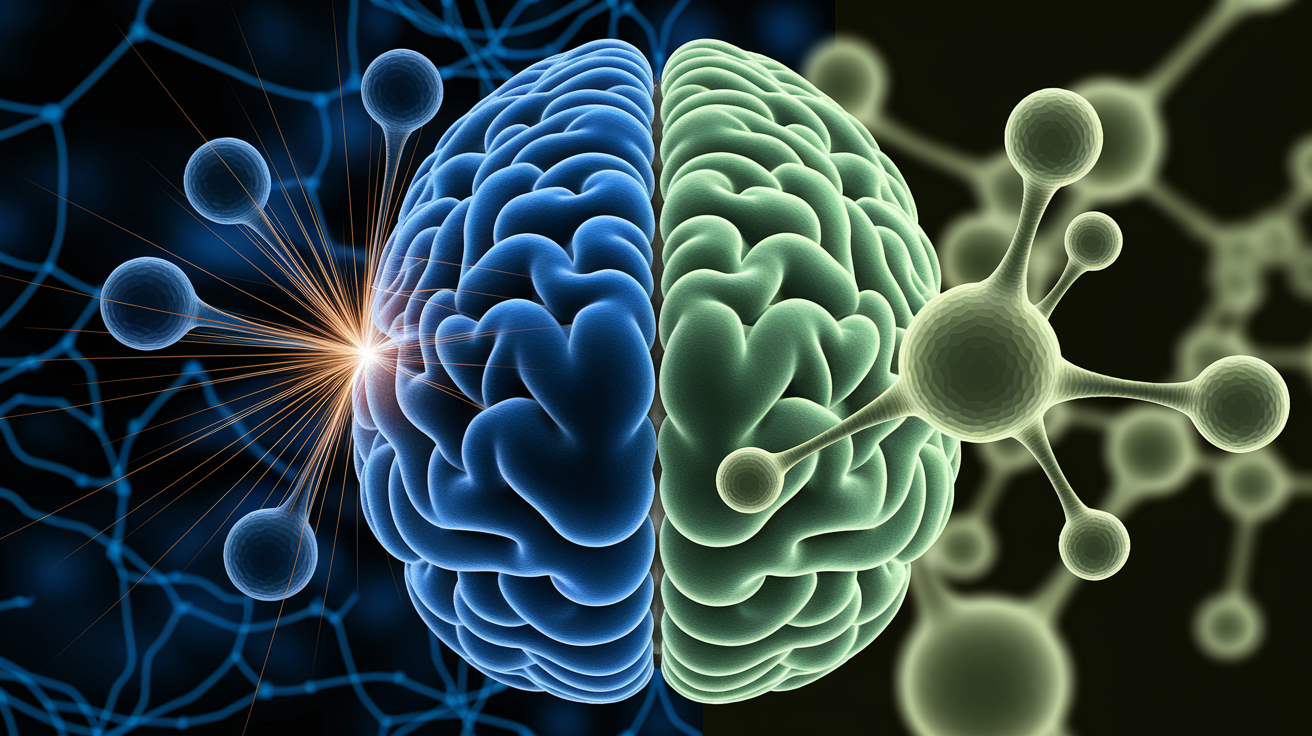
Adenosine doesn’t work like a sedative dumped into your bloodstream. It works by binding to specific receptors, and where those receptors sit, and which subtype they are, changes what actually happens next.
A1 Receptors and Reduced Neural Activity
A1 receptors generally put the brakes on neural activity. When adenosine binds here, it tends to reduce the release of excitatory neurotransmitters like glutamate, quieting down signaling in wake promoting circuits. This makes it harder to sustain sharp alertness. Adenosine’s influence shows up in regions like the basal forebrain, an area tied to arousal regulation, though no single brain region acts as sleep’s sole command center. It’s more of a network effort.
A2A Receptors and Sleep Promoting Networks
A2A receptors take a different route. Their activity is closely tied to sleep promoting pathways, and part of how they do this involves intracellular signaling that includes cAMP, a molecule that helps relay signals inside the cell once the receptor is activated. You don’t need to memorize the full cascade to get the gist.
Final Words
You’ve seen that adenosine builds while you’re awake, creates sleep pressure, and that sleep clears it, so feeling drowsy is a useful signal to rest. Caffeine can hide that signal but it doesn’t remove the underlying need for sleep.
Track simple signals, like sleep duration, caffeine timing, naps, and daytime sleepiness, for a week or two to spot patterns. Use small experiments, like trying caffeine earlier or short naps, and check what changes.
Keep using your notes to tune rest. Paying attention to adenosine sleep clues helps you make better, practical choices and feel more rested.
FAQ
Q: Why do I wake up after 6 hours of sleep?
A: Waking up after six hours of sleep often happens because your sleep need, circadian phase, or sleep quality don’t match your schedule. Track timing, caffeine, nighttime awakenings, and try a stable bedtime before seeking help.
Q: What is the difference between melatonin and adenosine?
A: The difference between melatonin and adenosine is that melatonin signals biological night and sleep timing, while adenosine accumulates with wakefulness and creates sleep pressure, so timing versus accumulated need are distinct roles.
Q: What hormone wakes you up at 3am?
A: The hormone that can wake you at 3 a.m. is often cortisol, which rises toward morning to boost alertness. Stress, light, late food, or sleep conditions can also cause middle-night waking.
Q: Why do I feel so tired but can’t fall asleep?
A: Feeling tired but unable to fall asleep happens when sleep pressure, circadian timing, and arousal don’t align—stress, late caffeine, or evening alerting can keep you up. Try a calm wind-down and track patterns for a week.