

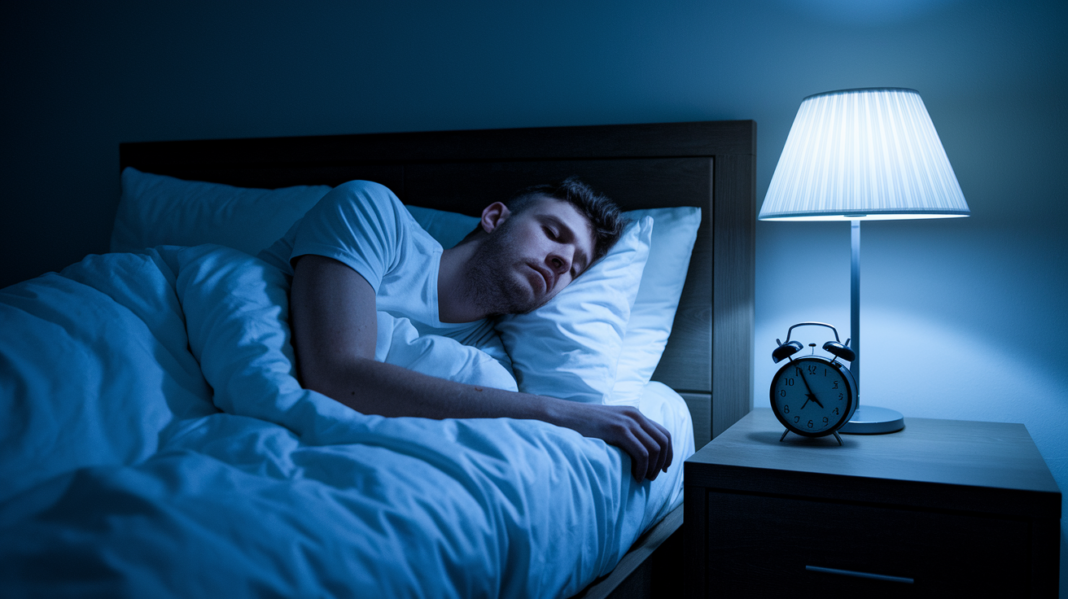

Think those tiny wake-ups don’t matter?
They do: sleep fragmentation can happen dozens or even hundreds of times a night and quietly leave you wired but tired.
Doctors measure this with things like wake after sleep onset (WASO), the arousal index, and sleep efficiency, and over 10 arousals per hour or efficiency under 85 percent usually matters.
This post explains the six hidden trigger groups, medical, psychological, lifestyle, environmental, medications, and age-related changes, and shows simple patterns to test so you can reclaim deeper sleep.
Fast Answers: The Main Sleep Fragmentation Causes Explained

Sleep fragmentation happens when your sleep gets interrupted over and over by brief awakenings or micro-arousals, many lasting just a few seconds. You might not even remember them come morning, but they can happen dozens or even hundreds of times a night, quietly chipping away at how rested you feel.
Doctors and sleep researchers measure this using a few key numbers. Wake after sleep onset (WASO) tracks how many total minutes you’re awake after first falling asleep. The arousal index counts arousals per hour, with under 5 considered normal and over 10 seen as clinically significant. Sleep efficiency compares time actually asleep to total time in bed, and anything under 85 percent usually points to a real problem. So what’s causing all this? The causes generally fall into six broad categories.
- Medical conditions: sleep apnea, restless legs, chronic pain, reflux, and other physical issues that trigger arousals
- Psychological factors: stress, anxiety, depression, and PTSD that keep your brain in a state of alertness
- Lifestyle habits: caffeine, alcohol, irregular schedules, and poor sleep hygiene that interfere with sleep continuity
- Environmental factors: noise, light, temperature, and bedroom conditions that pull you out of deep sleep
- Medications: certain antidepressants, beta-blockers, diuretics, and stimulants with side effects that disrupt rest
- Age-related changes: natural shifts in sleep architecture and hormone production that come with getting older
Each of these works differently, but they all lead to the same result: broken, less restorative sleep. The rest of this article breaks down how each one disrupts your rest, along with the specific numbers that matter.
Medical Conditions Behind Sleep Fragmentation

Medical conditions are some of the most common, and most overlooked, causes of fragmented sleep. Many people assume they’re just light sleepers, or they blame stress, when the real driver is a physical issue happening while they’re unconscious. Here’s a closer look at the biggest medical contributors.
Obstructive Sleep Apnea and Breathing-Related Arousals
Obstructive sleep apnea, or OSA, is one of the most well-documented causes of sleep disruption from apnea. During sleep, throat muscles relax more than they should, and the airway partially or fully collapses. This drops oxygen levels in your blood, a state called hypoxia, which triggers your brain to briefly wake you up just enough to reopen the airway and start breathing again.
These obstructive sleep apnea effects can happen dozens of times an hour without you ever fully waking up. Research suggests mild to severe OSA affects roughly 9 to 38 percent of adults, with moderate to severe cases showing up in about 6 to 17 percent depending on the population studied. The more frequent the airway collapses, the higher the arousal count, and the more fragmented the night becomes.
Restless Legs Syndrome and Periodic Limb Movements
Restless legs syndrome’s impact on sleep is often underestimated. RLS causes an uncomfortable, hard to describe urge to move the legs, usually worse in the evening or at night. This alone can delay sleep onset and pull you out of sleep repeatedly.
Periodic limb movements cause a related but distinct problem: involuntary jerking or twitching during sleep that triggers micro-arousals even if you never consciously notice the leg movement itself. RLS symptoms affect about 5 to 10 percent of adults, with 2 to 3 percent experiencing a more severe form. A periodic limb movement index above 15 to 25 per hour is generally considered abnormal and worth flagging to a healthcare provider.
Chronic Pain, Nocturia, and Reflux
Chronic pain and sleep fragmentation go hand in hand. Conditions like arthritis, fibromyalgia, and neuropathy send ongoing pain signals that increase arousal frequency and cut into slow wave sleep, the deep, restorative stage your body relies on most.
Nocturia and sleep breaks are especially common as people age, affecting over half of adults over 60. Waking up because of bladder pressure, sometimes multiple times a night, is one of the most straightforward and fixable fragmentation triggers. Gastroesophageal reflux at night adds another layer, since lying flat makes reflux worse and nighttime heartburn frequently causes sudden awakenings.
Cardiopulmonary and Neurological Disorders
Heart failure, COPD, and asthma can all cause nocturnal dyspnea, meaning shortness of breath, along with dips in blood oxygen that force the brain into repeated arousals just to keep breathing steady. Neurological conditions like Parkinson’s disease and Alzheimer’s disease work differently. They disrupt the brain’s sleep regulation systems directly and destabilize REM sleep, which leads to a night full of interruptions rather than one long, connected stretch of rest.
Psychological and Psychiatric Triggers of Fragmented Sleep
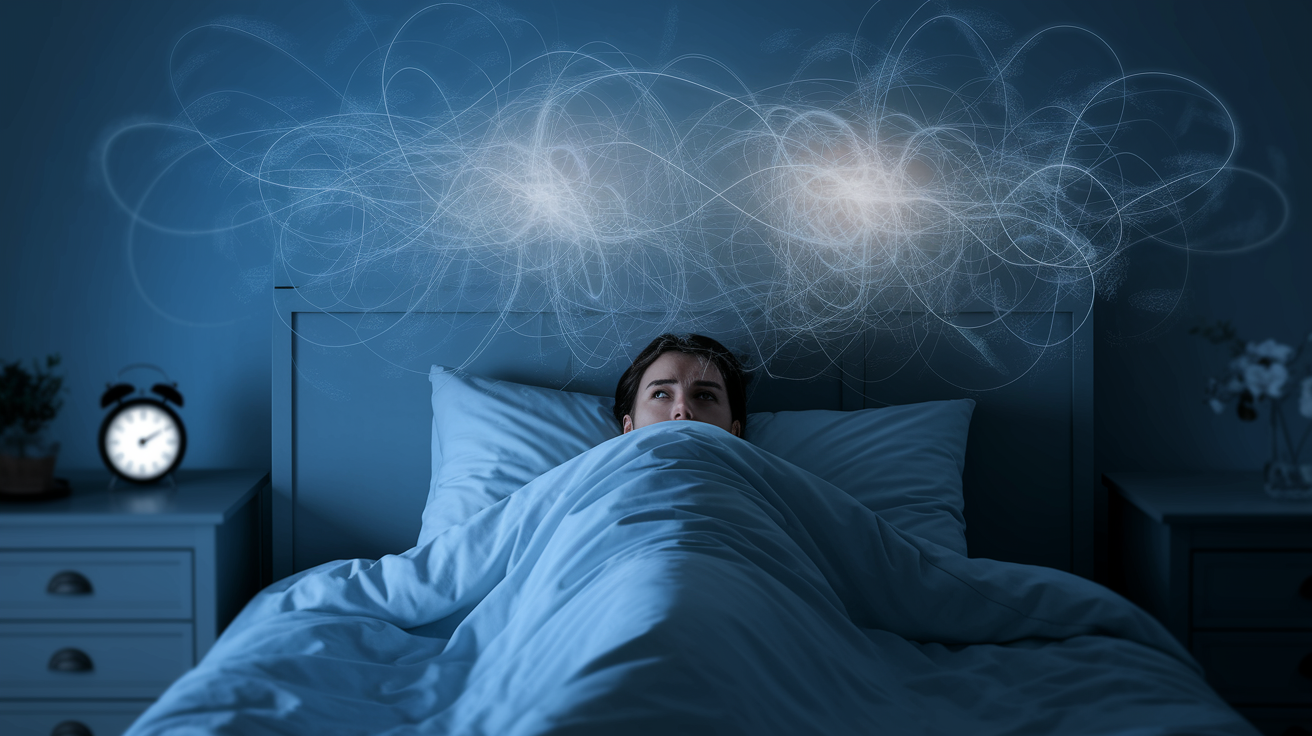
Your mental state at bedtime, and honestly throughout the day, plays a huge role in how continuous your sleep ends up being. Stress and anxiety create what’s often called psychological hyperarousal, a state where your nervous system stays on alert even when you’re trying to wind down. This makes it harder to fall asleep in the first place and increases the odds of waking up throughout the night, often for no obvious reason.
Depression related awakenings tend to follow a different pattern. Instead of trouble falling asleep, many people with depression wake up too early and can’t get back to sleep. Depression also fragments the structure of sleep itself, disrupting the balance between REM and non-REM stages so that even the sleep you do get feels less restorative.
Anxiety causing nighttime arousals often shows up as sudden wake-ups with racing thoughts or a pounding heart, sometimes with no clear trigger. PTSD and disturbed sleep are closely linked too, with night
Final Words
You’ve just gone through what fragmented sleep looks like — those quick micro-arousals, WASO, arousal index, and sleep efficiency — plus the six main cause groups.
We dug into medical drivers (apnea, restless legs, pain, nocturia, reflux, heart and neuro issues), psychological triggers (anxiety, depression, PTSD), and lifestyle factors (alcohol, caffeine, shift work) that break sleep.
Track nights, try one small change, and bring your notes to a clinician if needed. Focusing on specific sleep fragmentation causes can lead to steadier, more refreshing sleep.
FAQ
Q: Can you fix fragmented sleep?
A: You can often fix fragmented sleep by first tracking when it happens, testing small changes like reducing evening caffeine, limiting alcohol, keeping a consistent bedtime, and treating medical causes like sleep apnea, seeing a clinician if it persists.
Q: What are the possible triggers for sleep disorder development?
A: Possible triggers for sleep disorder development include medical conditions (apnea, pain), psychological stress or mood disorders, lifestyle habits (caffeine, alcohol, shift work), medications, environmental noise or light, and age-related changes.
Q: What could be causing me to wake up after only 5 hours of sleep?
A: Waking after only five hours of sleep may be caused by sleep apnea arousals, alcohol or late caffeine, pain or nocturia, early-morning depression, circadian mismatch, or restless legs causing repeated brief awakenings.
Q: I can’t sleep and I have work in 2 hours. What could be causing this?
A: Not sleeping with work in two hours could be caused by acute stress or anxiety, late caffeine or naps, bright screens, or a rushed wind-down that keeps your mind wired.