


What if tracking the exact second a stress symptom appears could cut weeks of guessing?
Most of us jot down moods later or tell ourselves we felt “off” and leave it at that.
Onset tracking means noting the clock time, the first few words to describe the symptom, what happened right before, and what you did next.
That tiny habit turns vague memories into timelines you can actually read.
It helps you spot triggers sooner, try one small fix, and see if it works.
Start by timing the signal, not the story, and you’ll notice patterns faster than you expect.
Quick-Start Guide To Logging Stress Symptoms

Stress symptom onset tracking means writing down the exact moment a physical, emotional, or behavioral stress symptom starts, along with what was happening around it. It’s a simple habit, but it turns a vague “I felt off today” into something you can actually look back on and learn from.
Here’s a format you can start using right now. No setup required.
- Date and exact onset time (not “afternoon,” but something like 2:47 p.m.)
- Symptom category and description (physical, emotional, or behavioral, with a few words)
- Severity, rated 1 to 10
- Suspected trigger or context (what was happening right before)
- Duration (how long it lasted)
- Action taken (what you did, if anything)
- Outcome (did it ease up, stay the same, or get worse)
Here’s what a completed entry looks like. March 14, 3:15 p.m., tension headache, severity 6, trigger was a tense team meeting that ran long, duration about 90 minutes, action taken was stepping outside for five minutes and drinking water, outcome improved to a severity of 2 within the hour.
Try to log symptoms the moment they start, or as close to it as you can manage. Memory fades fast, and details like exact timing or what triggered a symptom get fuzzy within hours.
Use whatever format fits your life. A paper journal, a notes app, a spreadsheet, or a wearable, none of it needs to be fancy. What matters more is logging daily for at least two to four weeks before you try to read anything into the data.
How To Record And Interpret Your Data
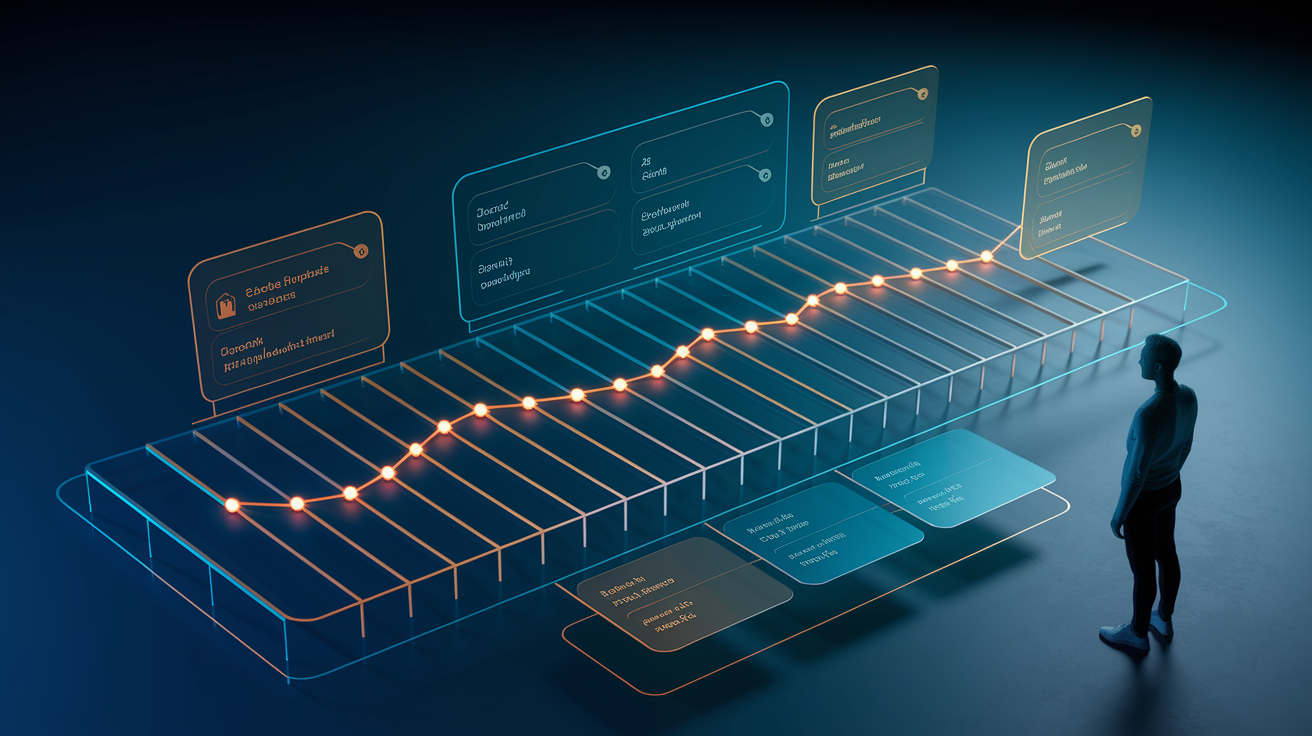
Onset timing is the thread that connects a symptom to whatever came before it. A stressful call, a bad night of sleep, three cups of coffee, a tense conversation. Without a timestamp, that connection is just a guess.
Here’s a simple workflow to follow:
- Record the exact onset time. Not “this morning” or “sometime today,” but the actual clock time, as close as you can get it. Vague labels make it nearly impossible to line symptoms up with triggers later.
- Build a basic daily routine for weeks 1 and 2. Log your mood on a 1 to 10 scale, how many hours you slept, your symptom severity, and one contextual tag (something like “deadline day” or “slept poorly”).
- Let a personal baseline form over at least 2 to 4 weeks. One rough day doesn’t mean much on its own. It’s the rolling pattern across weeks that tells you what’s actually normal for you.
- Add more detail in weeks 3 and 4. This might include caffeine or alcohol intake, exercise, heart rate variability or resting heart rate if you have a wearable, and more specific notes on what the symptom felt like and where.
- Review for recurring patterns. Look at timing, triggers, duration, severity, and outcome side by side. Patterns often get clearer somewhere between 4 and 8 weeks in. If you notice a sustained change greater than 15 percent from your baseline that lasts five or more consecutive days, that’s worth paying closer attention to.
Here’s the tricky part. A single rough entry, even a bad one, usually isn’t a signal. It’s the accumulation that matters.
If you’re using an app or wearable, automation can handle the timestamping and organizing for you, which saves effort. But automated data still needs a human reading it against their own baseline and their own week. A number on a screen doesn’t know about your sister’s wedding or the flu you had last Tuesday. You do.
Common Stress Symptoms To Monitor For Early Onset Detection

Stress symptoms tend to show up in three forms: physical, emotional, and behavioral. Watching for signals across all three paints a much fuller picture than focusing on just one.
Physical symptoms
- Headaches, often tension-type, building gradually
- Muscle tension, especially in the neck, shoulders, or jaw
- Unexplained fatigue that doesn’t match your sleep or activity level
- Stomach discomfort or other GI upset
Emotional symptoms
- Irritability that feels disproportionate to what’s happening
- Racing thoughts, especially when trying to fall asleep
- Persistent low mood that lingers past a bad moment
- Anxiety, including a tight chest or a sense of dread
Behavioral symptoms
- Avoidance of tasks, people, or situations you’d normally handle
- Withdrawing from social plans or conversations
- Concentration decline, like rereading the same email three times
- Compulsive checking, whether it’s your phone, email, or a stress score
Isolated symptoms are useful to note, but sequences tend to tell you more. A stressful email followed by irritability, followed an hour later by a headache, is a pattern worth paying attention to. One symptom alone might just be a rough afternoon. A repeated chain is a clue.
Methods And Tools For Tracking Stress Symptom Onset
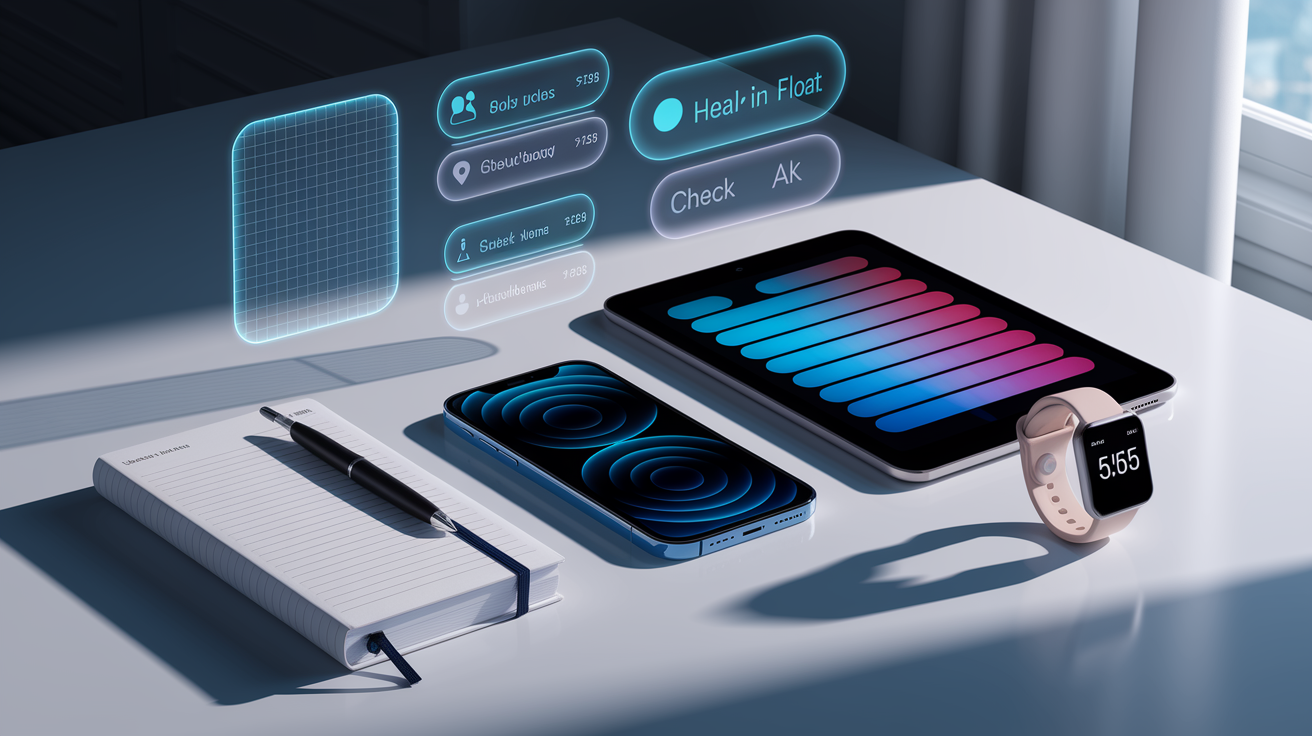
Active tracking means you’re the one entering the data: writing down your mood, your symptoms, what triggered them. Passive tracking relies on sensors, usually in a wearable, to collect physiological signals in the background without you doing anything.
| Method | Data Captured | Main Strength | Main Limitation | Best Use |
|---|---|---|---|---|
| Paper journal | Mood, symptoms, context, triggers | Flexible, no tech needed | Easy to forget or skip entries | Simple daily logging |
| Notes app or spreadsheet | Same as paper, plus searchable history | Easy to organize and review over time | Still relies on remembering to log | Longer-term pattern review |
| Ecological momentary assessment apps | Brief, repeated self-report check-ins</td
Final WordsIn the action, you got a quick-start log format, a step-by-step way to build a rolling baseline from time-stamped entries, and a clear list of physical, emotional, and behavioral signs to watch. You also saw how active notes and passive sensors differ, and which signals each method captures. Try a simple 2–4 week experiment: log exact onset times, symptoms, context, and any actions, then scan for repeat patterns. Stress symptom onset tracking is a small habit that often reveals useful clues, and it usually gets easier with practice. FAQQ: What are the symptoms of a cortisol let-down?A: The symptoms of a cortisol let-down are sudden fatigue, brain fog, low mood or irritability, headaches or muscle aches, lightheadedness, and strong cravings after an intense stress episode. Q: What are the physical symptoms of stress, what are signs your body is shutting down from stress, and what is a post-stress crash?A: Physical symptoms of stress, body shutdown signs, and a post-stress crash include persistent fatigue, low energy, sleep disruption, headaches, muscle tension, stomach upset, cognitive fog or slowed thinking, and social withdrawal or reduced activity after strain.  Subscribe for exclusive contentOn Sleep Health Wellness and More, Copyright - All Rights Reserved - 2026 |