

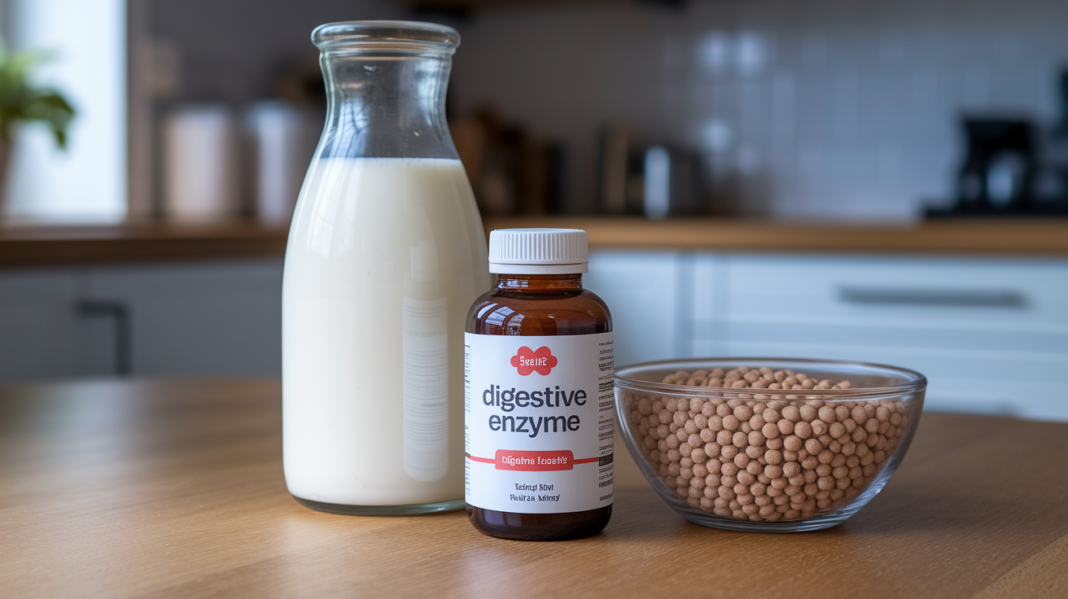

What if the reason your belly balloons after meals is not a mystery but a missing tool?
Digestive enzymes can do real, measurable work by breaking food down before gut bacteria ferment it into gas.
But there’s a catch: they tend to help most when a specific food or enzyme gap is to blame, for example lactose, beans, or a heavy mixed meal.
This post explains when enzymes are likely to help, which types match common triggers, and simple tests you can try at home to see if they calm your bloating.
Direct Answer: Do Digestive Enzymes Relieve Bloating and Gas
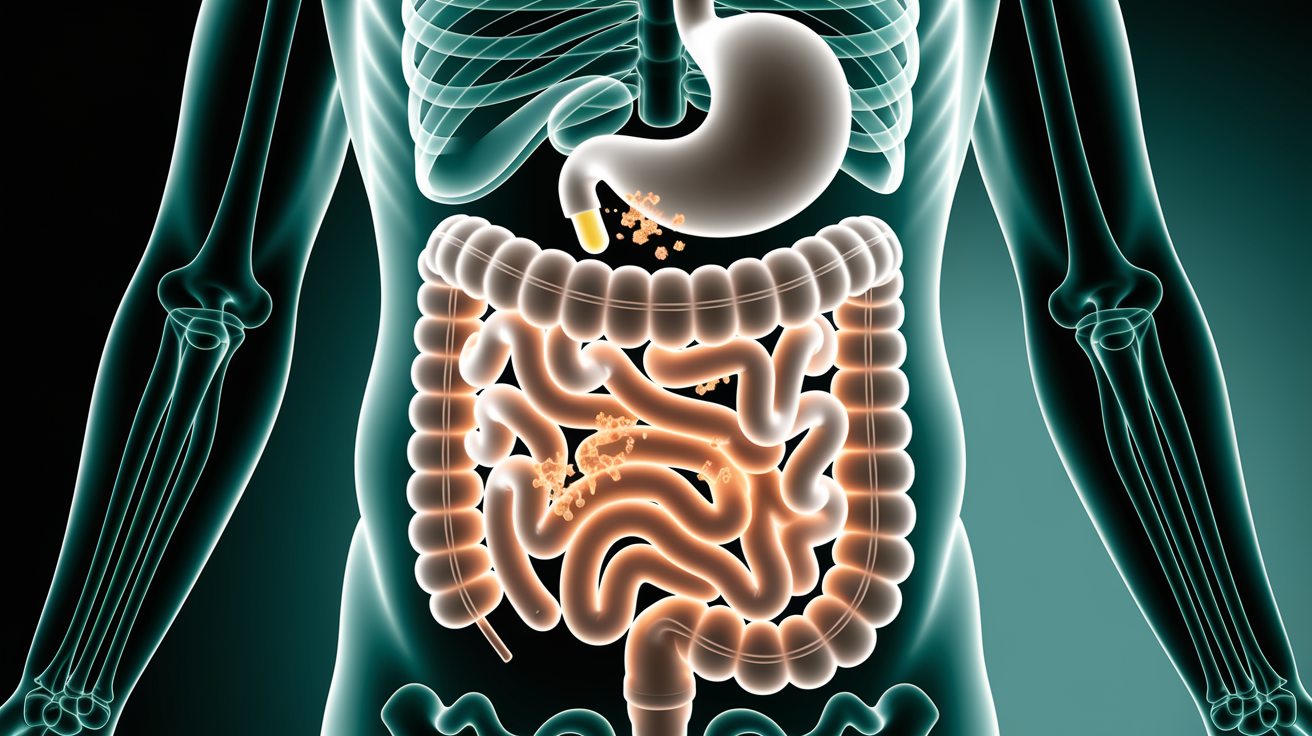
Yes, but there’s a catch. Digestive enzymes tend to work best when there’s something specific behind your symptoms, like an enzyme deficiency or trouble breaking down a particular food. They’re a lot less reliable for general bloating that doesn’t trace back to anything obvious.
Here’s the mechanism, in plain terms. When proteins, fats, and carbs don’t get fully broken down in your stomach and small intestine, they travel further into the colon still mostly intact. That’s where gut bacteria take over, fermenting whatever’s left, and fermentation produces gas. That gas is what stretches your gut and gives you that tight, puffy feeling after eating. If you can’t fully digest lactose (the sugar in milk) or the fibers in beans, you’ll notice this pattern almost every single time you eat those foods. Enzyme supplements step in earlier, breaking food down before it reaches the colon so bacteria have less to work with. Clinical research on functional dyspepsia (basically, ongoing indigestion with no clear disease behind it) found enzyme supplementation cut bloating by roughly 40 percent. That’s a meaningful number for something as simple as a capsule with a meal.
So here’s the honest takeaway. Enzymes are a solid tool when you can point to a food or pattern behind your symptoms. They’re not a guaranteed fix for bloating that shows up randomly with no obvious link to what you ate. And if you already have a suspect food in mind, the picks below will help you match the right enzyme to the right trigger.
Top Enzyme Picks by Trigger Food
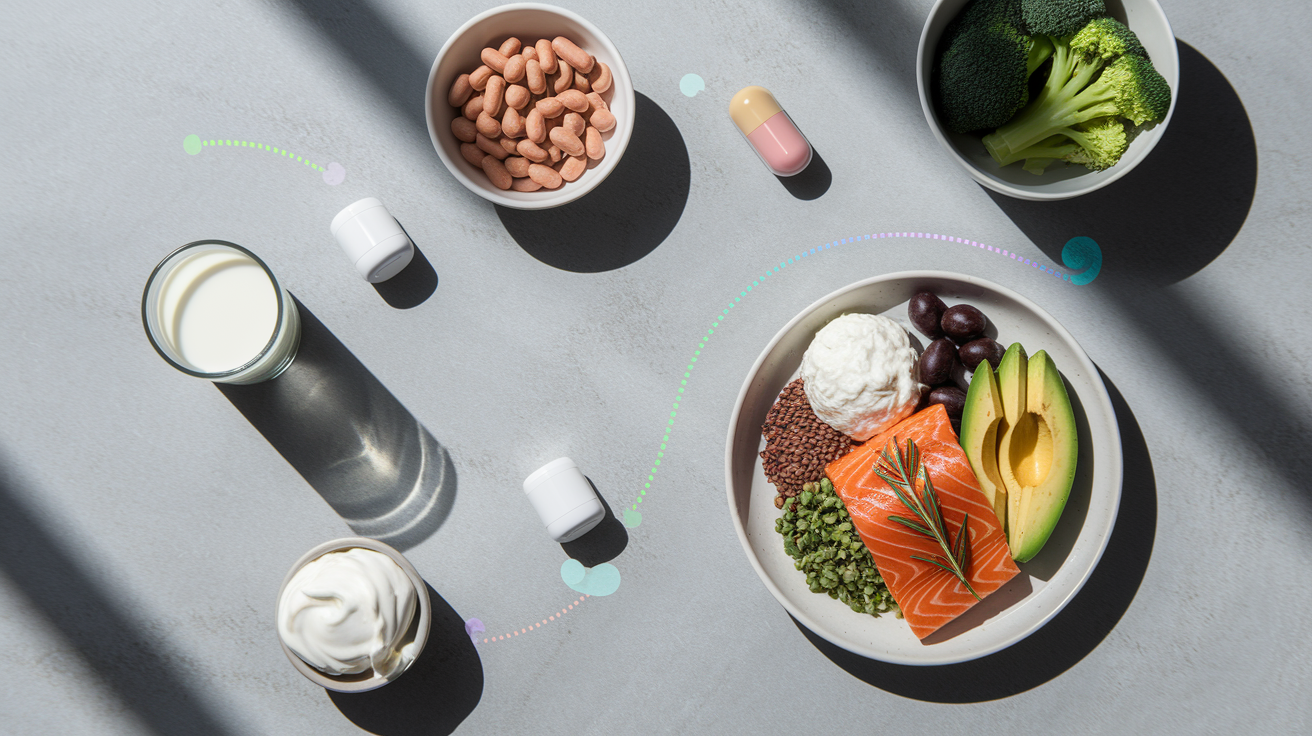
Matching the supplement to your actual trigger food matters more than grabbing whatever’s on the shelf. Dairy troubles need a different enzyme than bean troubles, and a big mixed meal calls for something broader. Here’s how the main options break down by use case.
| Product Type | Enzyme Type & Potency | Best Use | Timing | Price Range | Key Caution |
|---|---|---|---|---|---|
| Lactase supplement (e.g., Lactaid, Lactrase) | Lactase, variable strength | Dairy and lactose sensitivity | Take with first bite of dairy, every time you eat it | $10 to $20 | Some people tolerate hard cheese better than milk or ice cream, so results vary by dairy form |
| Alpha-galactosidase supplement (e.g., Beano, Bean Relief) | Alpha-galactosidase, standard tablet dose | Beans, lentils, and cruciferous vegetables like broccoli or cabbage | Immediately before or with the first bite | $10 to $18 | Not suited for people with galactosemia; check with a doctor first |
| Full-spectrum enzyme blend | Protease, amylase, and lipase together | Broad or mixed meals with protein, carbs, and fat all at once | Taken with the start of a meal | $20 to $35 | Potency varies by brand since OTC supplements aren’t FDA-regulated like drugs |
| Enzyme plus probiotic combination | Enzyme blend plus 15 billion CFU or more of probiotics | General gut support alongside occasional bloating and gas | Daily, often with a meal | $25 to $45 | Effects build over days to weeks, not one dose |
Worth noting, consumer reported data suggests combination formulas, enzymes paired with prebiotics and probiotics, tend to outperform single enzyme products by around 35 percent. Adding both prebiotics and probiotics together may boost effectiveness by close to 45 percent. Those numbers come from user reported outcomes rather than controlled clinical trials, so think of them as a helpful clue rather than a guarantee. Still, if you’re choosing between two similar products, the one with added gut support ingredients has a reasonable edge.
Enzyme Types and What They Target
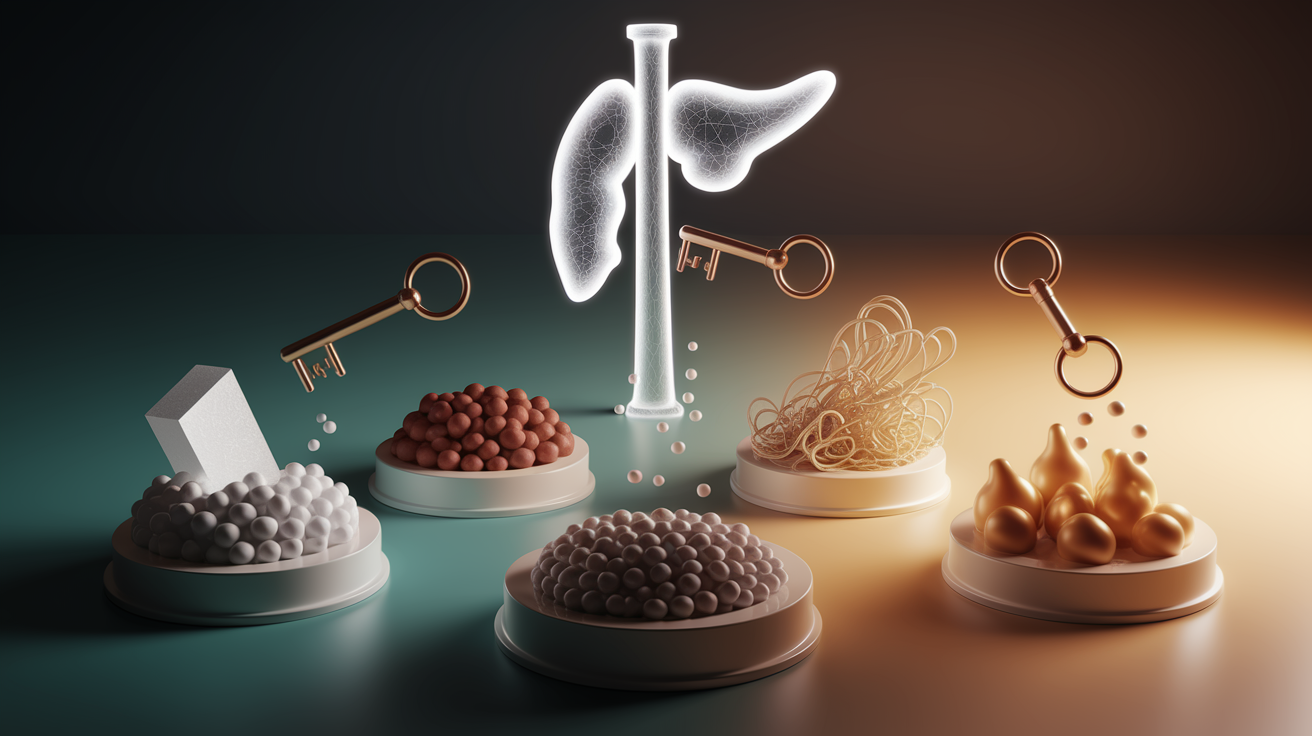
Matching the enzyme to the food that’s actually causing trouble is the whole game here. Your pancreas normally handles this job on its own, producing the enzymes that break down proteins, carbs, and fats before they ever reach your colon. When that process falls short, whether from a deficiency or just a heavy, hard to digest meal, supplements can pick up some of the slack.
Lactase (for dairy and lactose)
Lactase breaks down lactose, the natural sugar found in milk and dairy products. If your small intestine doesn’t make enough of it, that undigested lactose ferments in your gut and causes bloating, gas, and sometimes loose stools. This is common. Lactose intolerance may affect up to 75 percent of people worldwide, so it’s one of the most likely culprits behind after-meal discomfort.
Alpha-galactosidase (for beans and cruciferous vegetables)
This enzyme targets complex fibers and oligosaccharides, the hard to digest carbohydrates found in beans, lentils, and vegetables like broccoli, cabbage, and Brussels sprouts. Your body doesn’t naturally produce much of it, which is why these foods are notorious for gas. More than 20 percent of people report abdominal pain tied specifically to gas from digesting these complex carbs.
Protease, bromelain, and papain (for protein digestion)
Protease enzymes break protein down into smaller, absorbable pieces. Bromelain and papain are plant based versions, often pul
Final Words
Yes, digestive enzymes can ease bloating and gas when the trigger is clear. Match the enzyme to the food: lactase for dairy, alpha-galactosidase for beans, or a full-spectrum blend for mixed meals.
They work by breaking down proteins, fats, and carbs before they reach the colon, where bacteria ferment undigested food into gas. Clinical studies show about a 40% reduction in bloating in functional dyspepsia.
If you have clear triggers, try targeted digestive enzymes for bloating and gas as a short test, track results and reassess. If symptoms are severe or not improving, see a clinician — help is available.
FAQ
Q: Can digestive enzymes help with bloating and gas?
A: Digestive enzymes can help reduce bloating and gas when the cause is enzyme deficiency or trouble digesting specific foods; they break food down before gut bacteria ferment it into gas.
Q: What is the best digestive enzyme or supplement for gas and bloating?
A: The best enzyme or supplement for gas and bloating depends on the trigger: lactase for dairy, alpha-galactosidase for beans/crucifers, and full-spectrum or enzyme-plus-probiotic blends for mixed meals.
Q: What is the downside of taking digestive enzymes?
A: The downside of taking digestive enzymes includes mild side effects (nausea, cramps), possible allergic reactions, and the risk of masking an underlying issue; see a clinician if symptoms persist.