

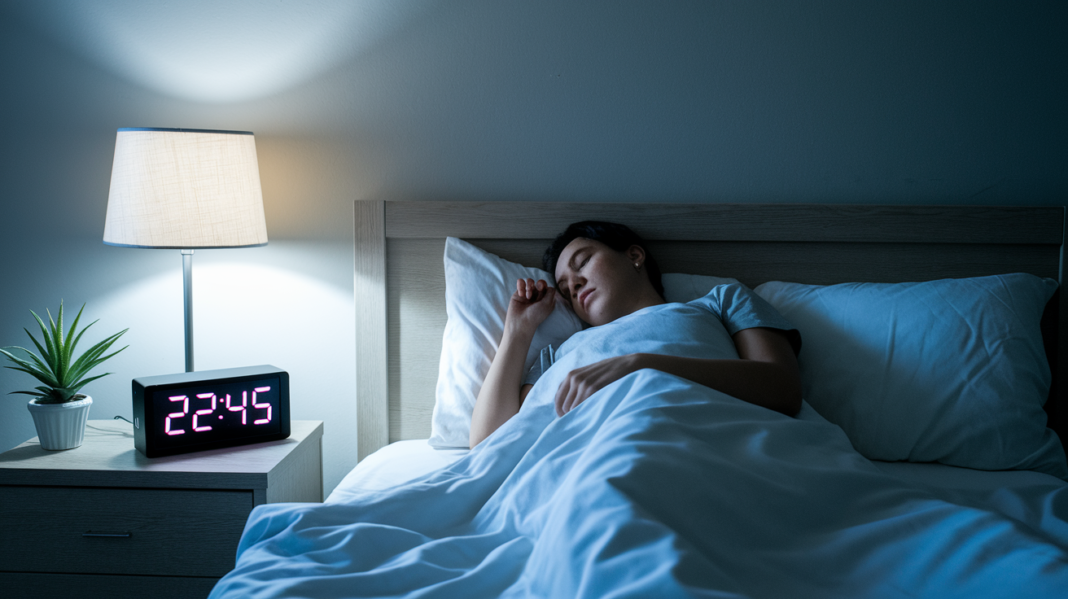

Are you asleep within minutes or staring at the ceiling for an hour?
Sleep onset latency is the time from lights out to when you actually fall asleep.
Think of it like how long your phone takes to start charging, short, normal, or suspiciously fast.
This quick number tells you whether your brain can switch off, and it often points to sleep debt, stress, or a habit worth changing.
In this post you’ll learn what normal ranges mean, common causes, and small tests to try tonight.
Understanding the Core Concept Behind Sleep Onset Latency
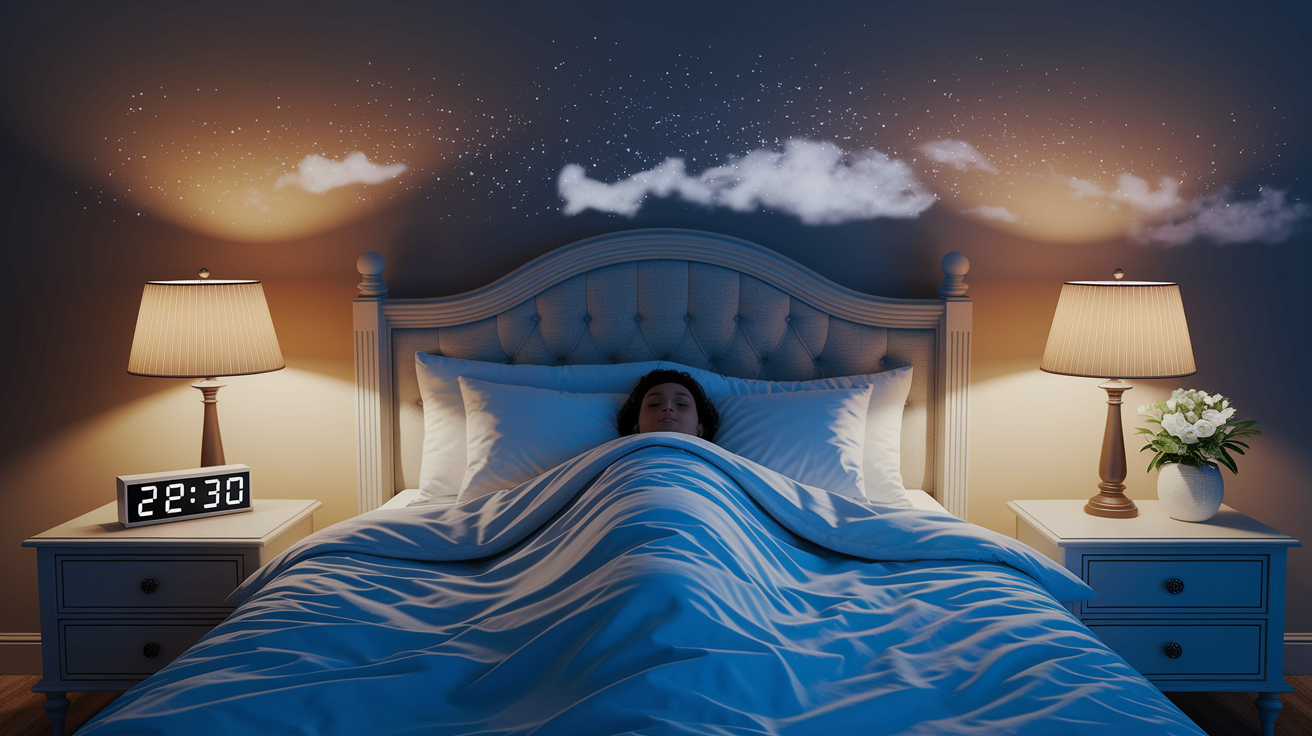
Sleep onset latency is just the time between lights out and actually falling asleep. It starts when you’re settled in bed, eyes closed, trying to drift off. It ends when sleep begins. So if you’re in bed at 22:30 and asleep by 22:45, that’s 15 minutes of latency. Simple as that. This number tells you how smoothly your body transitions from awake to asleep, and it’s tracked in both clinical sleep studies and consumer wearables.
Most healthy adults fall asleep within 10 to 20 minutes. That range is kind of the sweet spot. You’re tired enough to sleep without delay, but not so wrecked that you collapse the second your head hits the pillow. When latency falls outside this window, something’s usually worth looking into.
Here’s what the numbers mean:
Normal latency: 10 to 20 minutes for most adults.
Short latency: Under 5 minutes often means you’re sleep deprived or excessively sleepy.
Long latency: Over 20 minutes points to trouble initiating sleep, usually tied to insomnia or stress.
Clinical relevance: Sleep labs, wearables, and apps all measure latency to help diagnose sleep disorders and spot patterns.
Typical Sleep Onset Latency Ranges and What They Indicate
Sleep onset latency changes across age groups and reflects different physiological needs. Younger people generally fall asleep faster because their circadian rhythms and homeostatic sleep drive are strong and in sync. As you age, hormonal shifts, lighter sleep, and altered circadian timing can stretch the time it takes to fall asleep.
| Age Group | Typical SOL Range |
|---|---|
| Children and Teens | 5 to 10 minutes |
| Adults (18–59) | 10 to 20 minutes |
| Older Adults (60+) | Up to 30 minutes |
Research shows the mean latency in healthy adults hovers around 11.7 minutes. Kids and teens often drop off within 5 to 10 minutes, which makes sense after busy, active days. Older adults may take longer, sometimes up to 30 minutes, due to shifts in melatonin production, decreased slow wave sleep, and more frequent nighttime awakenings. These age related changes are often normal but can be made worse by medical conditions or medications.
Clinicians don’t just look at the numbers in isolation. Falling asleep in under 5 minutes usually signals accumulated sleep debt or a disorder like narcolepsy. Taking longer than 20 to 30 minutes consistently suggests insomnia, circadian misalignment, or behavioral factors like late caffeine or stress. Tracking latency over time, alongside other sleep metrics like total sleep time and efficiency, helps pinpoint the root cause and recommend targeted interventions.
Measurement of Sleep Onset Latency in Sleep Studies and Daily Life

Sleep onset latency gets measured in several ways, depending on whether you’re in a clinical lab or tracking at home. All methods try to capture the same transition point, the moment wakefulness ends and sleep begins, but they differ in precision, equipment, and context.
Clinical Polysomnography
Polysomnography is the gold standard for measuring sleep onset latency in a sleep lab. Sensors record brain waves (EEG), eye movements (EOG), breathing, heart rate, oxygen saturation, and leg movements throughout the night. Sleep onset gets identified when EEG patterns shift from waking alpha waves to the slower theta waves of stage 1 sleep. The time from lights out to this first sleep epoch is your latency. This method is highly accurate, capturing not only latency but also sleep architecture, interruptions, and disorders like apnea or periodic limb movements.
MSLT and Maintenance of Wakefulness Test
The Multiple Sleep Latency Test measures how quickly you fall asleep during the day, offering clues about excessive sleepiness. You take five scheduled naps, one every two hours, in a quiet, dark room. Each nap lasts until you fall asleep or 20 minutes elapses. The test records how long it takes you to transition into sleep at each opportunity. An average latency under 5 minutes suggests severe sleepiness or a disorder like narcolepsy. The Maintenance of Wakefulness Test works in reverse. You sit in a dim, comfortable room and try to stay awake for up to 40 minutes. This test measures your ability to resist sleep and is often used to assess safety for tasks like driving.
Consumer Wearables and Sleep Apps
Wearables and smartphone apps estimate sleep onset latency using motion sensors, heart rate, breathing regularity, and sometimes blood oxygen levels. These devices detect when your movement drops, your heart rate slows, and your breathing becomes rhythmic. Those signals suggest you’ve fallen asleep. While less precise than polysomnography, wearables are useful for spotting patterns over weeks or months. They help you see trends like whether late caffeine or stressful days consistently stretch your latency, turning subjective impressions into trackable data.
Causes of Short Sleep Onset Latency (Falling Asleep Too Quickly)
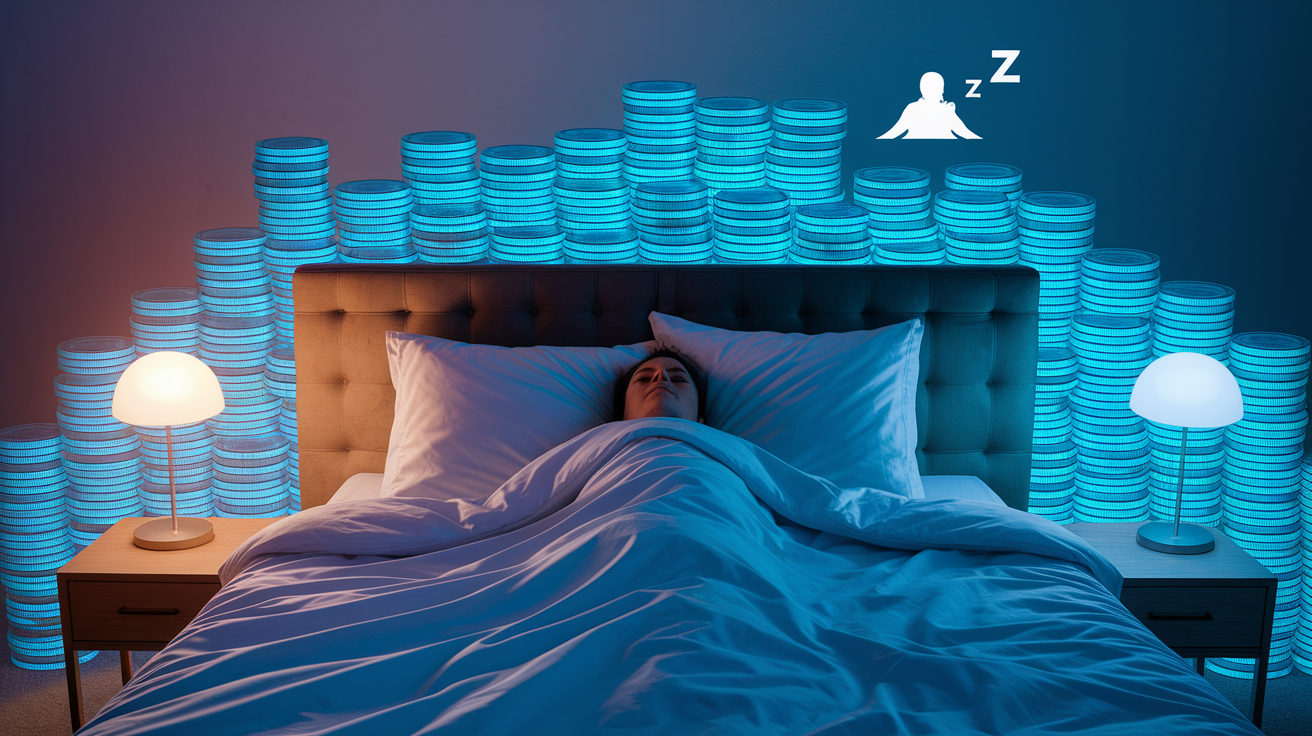
Falling asleep in under 5 minutes might sound ideal, but it’s often a red flag. When your body shuts down almost immediately after lying down, it usually signals that you’re running on borrowed time. You’re carrying significant sleep debt or dealing with a condition that drives excessive sleepiness.
Chronic sleep deprivation is the most common cause. If you’ve been cutting sleep short night after night, your brain accumulates a need for rest that can’t be ignored. The moment you’re horizontal and still, sleep rushes in to start repaying the debt. This rapid onset often comes with daytime fatigue, poor focus, and low energy, even if you’re technically sleeping through the night.
Other causes of unusually short latency include:
Sleep debt: The cumulative gap between the sleep you need and the sleep you actually get, repaid gradually over multiple nights of adequate rest.
Narcolepsy or idiopathic hypersomnia: Neurological conditions that cause overwhelming daytime sleepiness and rapid sleep onset, often with disrupted nighttime sleep cycles.
Sedating medications or substances: Alcohol, sleep aids, antihistamines, or certain prescription drugs can shorten latency artificially, though they often fragment later sleep stages.
Obstructive sleep apnea or other sleep disordered breathing: Repeated nighttime awakenings reduce sleep quality, leaving you exhausted and prone to crashing quickly the next night.
Brain injury or neurological changes: Trauma or conditions affecting arousal systems can alter normal sleep wake regulation.
Causes of Long Sleep Onset Latency (Difficulty Falling Asleep)
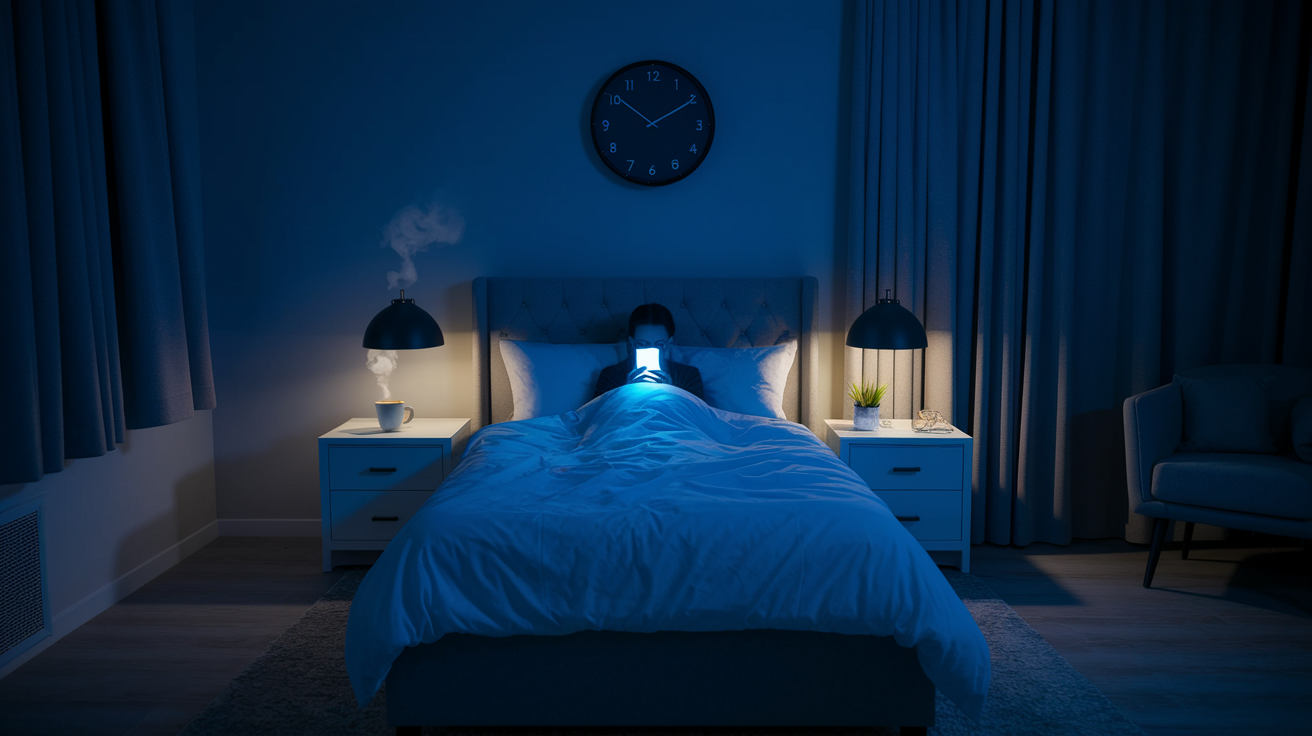
Taking more than 20 to 30 minutes to fall asleep on a regular basis points to factors that keep your brain and body from settling into sleep. These can be medical, psychological, environmental, or tied to daily habits that ramp up arousal when you need it to wind down.
Stress and anxiety are frequent culprits. When your mind is churning over emails, to do lists, or worries, your sympathetic nervous system stays active, keeping cortisol elevated and melatonin suppressed. Chronic pain from conditions like arthritis or back problems makes it hard to find a comfortable position, and discomfort keeps pulling you back toward wakefulness. Medical issues like heart disease, GERD, and restless legs syndrome directly interfere with the transition to sleep, either through physical symptoms or frequent micro arousals.
Circadian misalignment, whether from night shift work, jet lag, or even social jet lag (late weekend bedtimes followed by early weekday alarms), means your internal clock isn’t aligned with when you’re trying to sleep. Your brain thinks it’s time to be awake, so sleep onset drags out. Stimulants like caffeine late in the day, heavy evening meals, or vigorous exercise close to bedtime all increase physiological arousal and delay sleep.
Common contributing factors:
- Evening screen time and blue light exposure: Suppresses melatonin and signals your brain that it’s still daytime.
- Irregular sleep schedule: Going to bed and waking at different times weakens your circadian rhythm’s predictive power.
- Bedroom environment: Too warm, too bright, or too noisy rooms keep your nervous system on alert.
- Caffeine or alcohol: Caffeine lingers for hours. Alcohol may shorten initial latency but fragments sleep later.
- Medications: Decongestants, some antidepressants, beta blockers, and steroids can all lengthen latency.
- Late or heavy meals: Digestion and blood sugar spikes increase metabolic activity and discomfort.
Health, Mood, and Performance Effects of Abnormal Sleep Latency
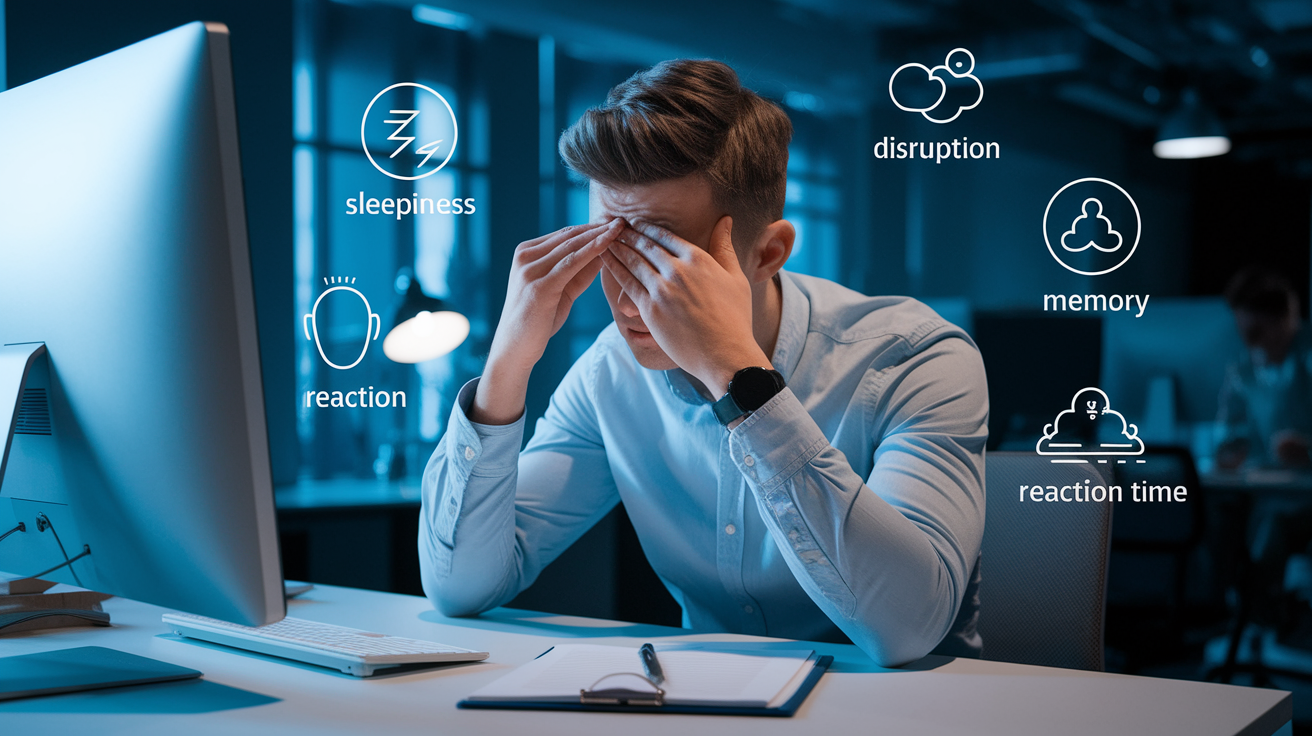
When sleep onset latency is consistently too short or too long, it cuts into total sleep time and disrupts the architecture of your sleep cycles. Short latency paired with frequent awakenings or poor sleep quality leaves you tired despite technically being asleep. Long latency eats into your available sleep window, reducing the hours you spend in restorative slow wave and REM stages. Both patterns lower sleep efficiency, the percentage of time in bed you actually spend asleep, and leave you running on less rest than your body needs.
The immediate effects show up in how you feel and function during the day. Daytime sleepiness, low energy, irritability, and difficulty concentrating all stem from inadequate or fragmented sleep. Mood takes a hit. Chronic sleep problems are strongly linked to anxiety and depression, creating a feedback loop where poor sleep worsens mental health and mental health issues make sleep harder. Reaction times slow, decision making gets fuzzy, and the risk of accidents (on the road, at work, or at home) climbs.
Over time, the stakes get higher. Chronic sleep debt raises the risk of cardiometabolic disease, including hypertension, diabetes, and heart disease. Immune function weakens, leaving you more vulnerable to infections. Cognitive decline accelerates, and the brain’s ability to clear metabolic waste during sleep is compromised. Tracking and addressing abnormal latency isn’t just about feeling better tomorrow. It’s about protecting long term health and performance.
Techniques to Reduce Sleep Onset Latency and Support Easier Sleep Initiation
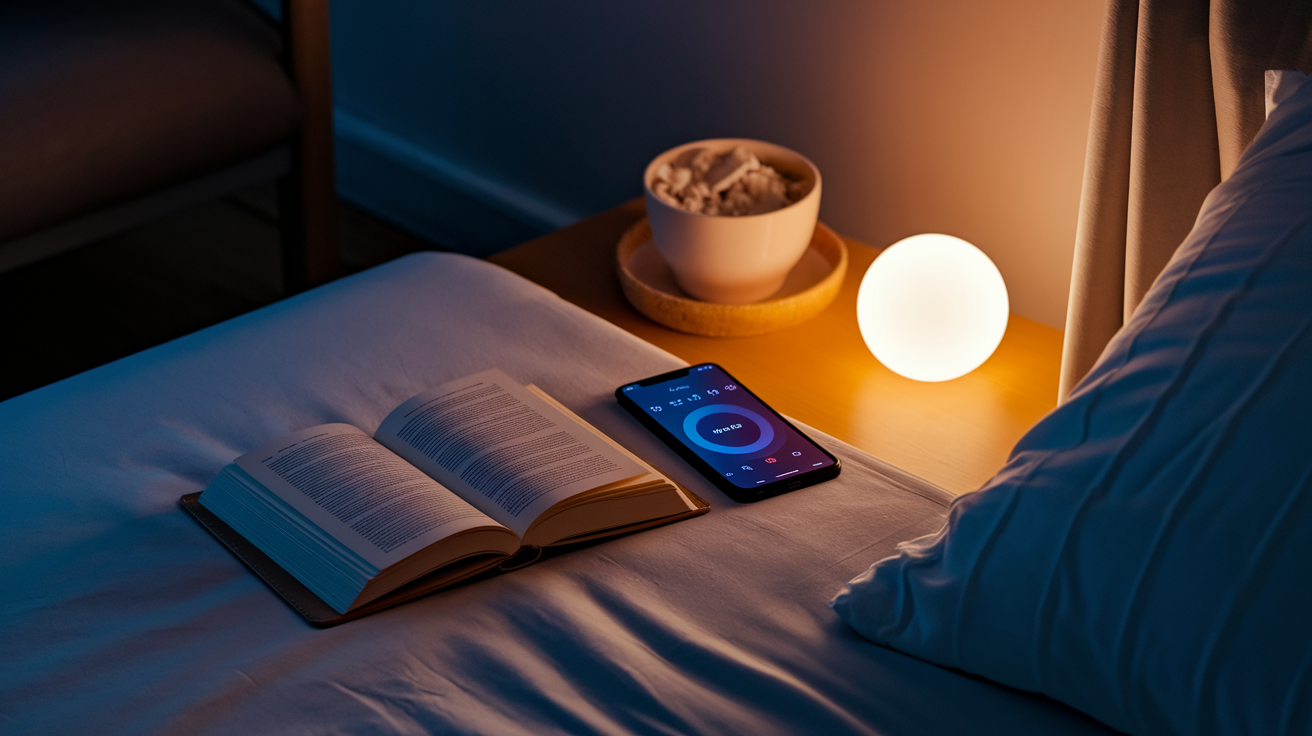
Improving sleep onset latency starts with small, testable changes that lower arousal and strengthen your body’s sleep signals. The goal is to create conditions that make falling asleep easier without relying on sedatives or forcing it. Think of these strategies as experiments. Try one or two at a time, track what shifts, and adjust based on what you notice.
Consistency is the foundation. Going to bed and waking up at the same time every day, even on weekends, trains your circadian rhythm to anticipate sleep at a predictable hour. A calming wind down routine (reading, journaling, listening to quiet music, or taking a warm bath or shower) signals your nervous system that it’s time to transition from the day’s activity to rest. Guided breathing exercises, progressive muscle relaxation, or simple meditation apps can quiet a racing mind and lower heart rate.
Practical strategies to test:
Finish your last meal at least 2 hours before bed to avoid digestive discomfort and blood sugar spikes.
Keep your bedroom cool, dark, and quiet. Use blackout curtains, a sleep mask, or a white noise machine if needed.
Avoid vigorous exercise within 2 to 3 hours of bedtime. Finish intense workouts earlier in the day.
Cut caffeine by early afternoon and limit alcohol, which disrupts later sleep stages even if it shortens initial latency.
Reduce evening screen time and use night mode settings to minimize blue light exposure in the hour before bed.
Limit daytime naps to 20 to 30 minutes and avoid napping late in the afternoon, which can steal sleep pressure from nighttime.
Review medications with your healthcare provider if you suspect they’re affecting your ability to fall asleep.
Use your bed only for sleep and intimacy. Avoid working, scrolling, or watching TV in bed to strengthen the mental association between bed and sleep.
How to Record Sleep Onset Latency at Home
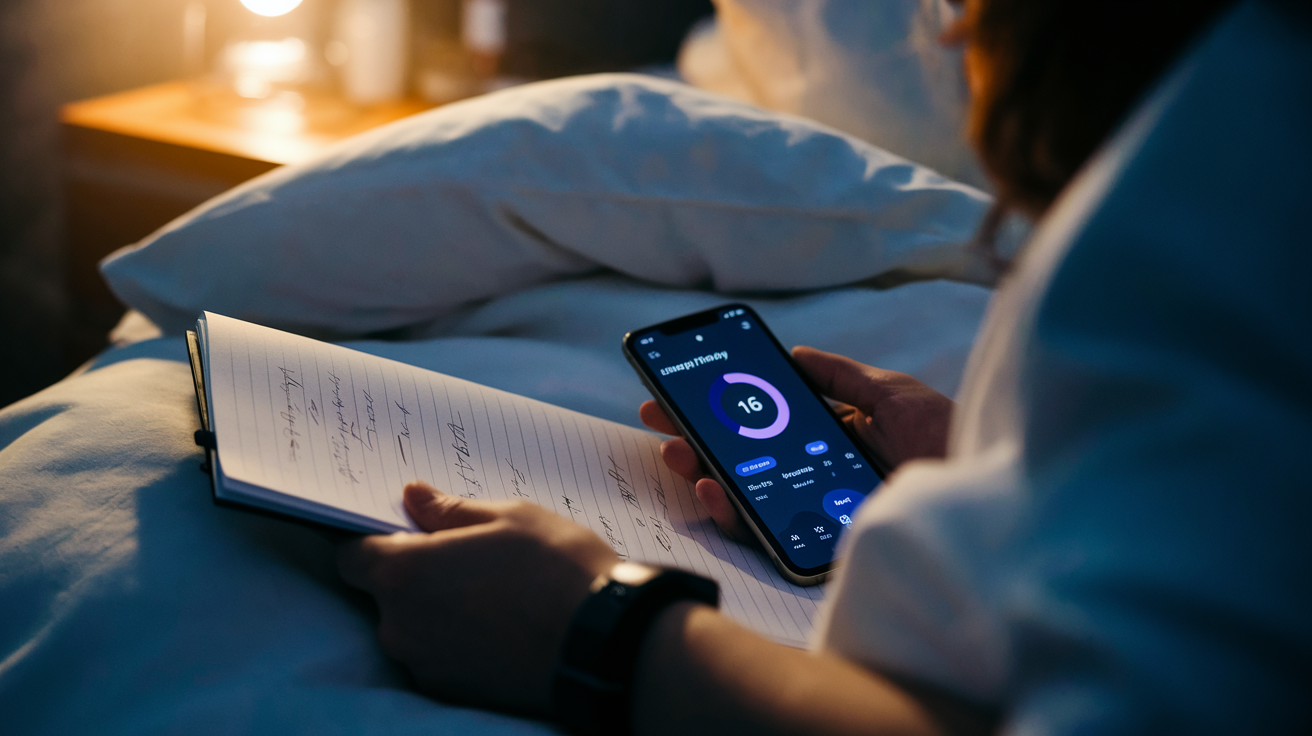
Tracking your sleep onset latency at home is simple and requires only a notepad, a phone, or a wearable device. The basic method is to note the time you turn out the lights and settle in to sleep, then estimate or record the time you actually fell asleep. The difference between those two moments is your latency.
If you’re doing this manually, jot down your lights out time as soon as you’re in bed. When you wake in the morning, think back to how long you lay awake before drifting off. Was it 10 minutes, 30 minutes, an hour? Write that estimate in a sleep diary along with any factors that might have influenced it: late caffeine, a stressful day, a heavy meal, or a noisy environment. Over a week or two, patterns emerge.
Wearables and sleep apps automate this process by detecting when your movement drops, your breathing steadies, and your heart rate slows. They estimate sleep onset and display it in the morning along with total sleep time, awakenings, and sleep stages. While less precise than polysomnography, these tools are useful for spotting trends and testing interventions.
Steps to calculate sleep onset latency at home:
- Record your lights out time when you settle into bed with the intention to sleep.
- Estimate or note the time you fell asleep, either by checking a clock if you wake briefly or by reflecting in the morning.
- Subtract lights out time from sleep onset time to get your latency in minutes.
- Track daily for at least one to two weeks to identify patterns, triggers, and the impact of any changes you make.
When Sleep Onset Latency Indicates a Need for Medical Evaluation
Persistent abnormal sleep onset latency (whether too short or too long) warrants a conversation with a healthcare provider, especially when it’s paired with other symptoms or starts affecting your daily life. Falling asleep in under 5 minutes night after night, despite getting what seems like enough time in bed, often signals excessive daytime sleepiness or a sleep disorder like narcolepsy or sleep apnea. On the other end, consistently taking more than 20 to 30 minutes to fall asleep, especially if it’s been going on for weeks or months, suggests insomnia, circadian issues, or an underlying medical condition.
Daytime consequences are a key signal. If you’re getting what should be adequate sleep but still feel exhausted, struggle to focus, or notice mood changes like irritability or low level depression, your sleep quality or architecture may be compromised. Memory problems, frequent nighttime awakenings with difficulty returning to sleep, or the sense that sleep isn’t refreshing all point to disrupted sleep that needs evaluation.
Warning signs that warrant clinical assessment:
Sleep onset latency consistently under 5 minutes or over 20 to 30 minutes for several weeks.
Persistent daytime fatigue, low energy, or excessive sleepiness despite spending enough time in bed.
Difficulty concentrating, memory lapses, or mood changes that interfere with work, relationships, or daily tasks.
Loud snoring, gasping, or breathing pauses during sleep reported by a partner, suggesting possible obstructive sleep apnea.
Frequent leg movements, restlessness, or uncomfortable sensations in the legs at bedtime, which may indicate restless legs syndrome or periodic limb movement disorder.
Final Words
You learned what sleep onset latency is, the time from trying to sleep to actually falling asleep, and the ranges that tend to signal healthy sleep or a problem.
We ran through how labs and wearables measure it, reasons for very short or long latency, simple tracking steps, and practical fixes like a steady bedtime, cooler room, and less late caffeine.
Keep a diary or wearable and test one small change for a week to see what sleep onset latency meaning looks like for you. Small experiments often bring steady improvements.
FAQ
Q: What is a good sleep onset latency?
A: A good sleep onset latency is about 10–20 minutes for most adults; falling asleep much faster often means sleep debt, while routinely taking longer than 20 minutes may signal insomnia or poor sleep habits.
Q: Is 6 hours and 20 minutes enough sleep?
A: Six hours and 20 minutes of sleep is usually below the 7–9 hour adult recommendation; it might work short-term but often leaves many people with worse mood, focus, and recovery over time.
Q: What is the 10 3 2 1 rule for sleep?
A: The 10-3-2-1 rule for sleep is a simple pre-bed routine: 10 hours limit big stimulants, 3 hours avoid large meals/alcohol, 2 hours stop heavy work/exercise, 1 hour stop screens and unwind.
Q: How can I reduce my sleep latency?
A: To reduce sleep latency, keep a consistent bedtime, create a calming wind-down, avoid late caffeine and big meals, lower bedroom temperature, try breathing or relaxation exercises, and track changes for a week.