

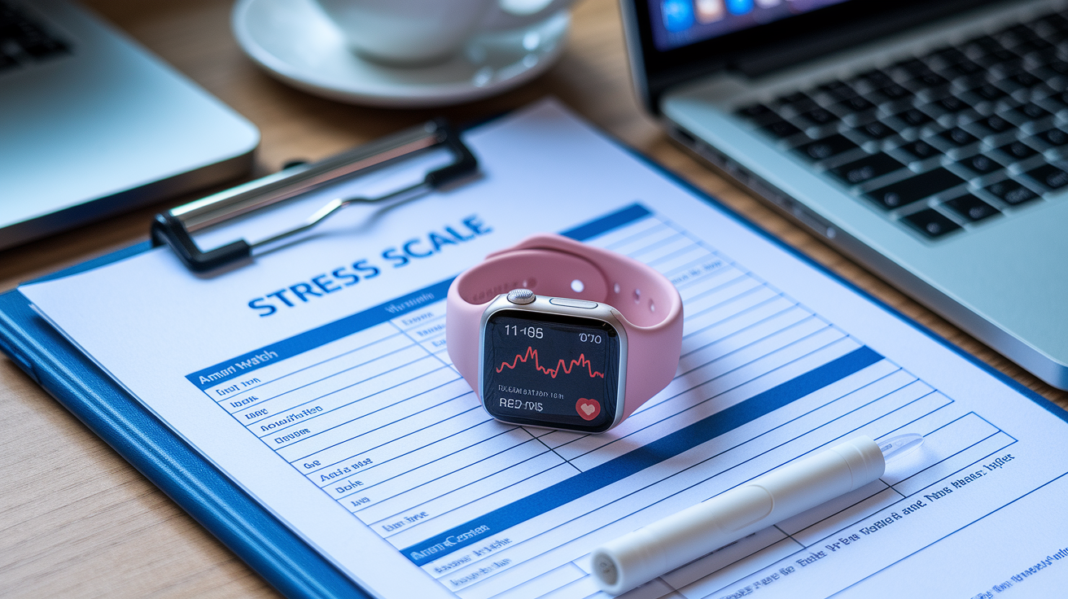

What if your “stress” is lying to you?
Stress trigger intensity measurement puts a number on how hard a specific stressor hits you.
It’s not about saying “work is stressful”, it’s about rating that 2 p.m. meeting and seeing what your body actually did.
The best method pairs a short self-report (PSS-10) with a physical signal, HRV or cortisol, so you can tell if a trigger really affects your body.
This post shows the scales, biomarkers, wearables, and simple logging steps to spot patterns and try small tests.
Understanding Stress Trigger Intensity Measurement And Quick Answers
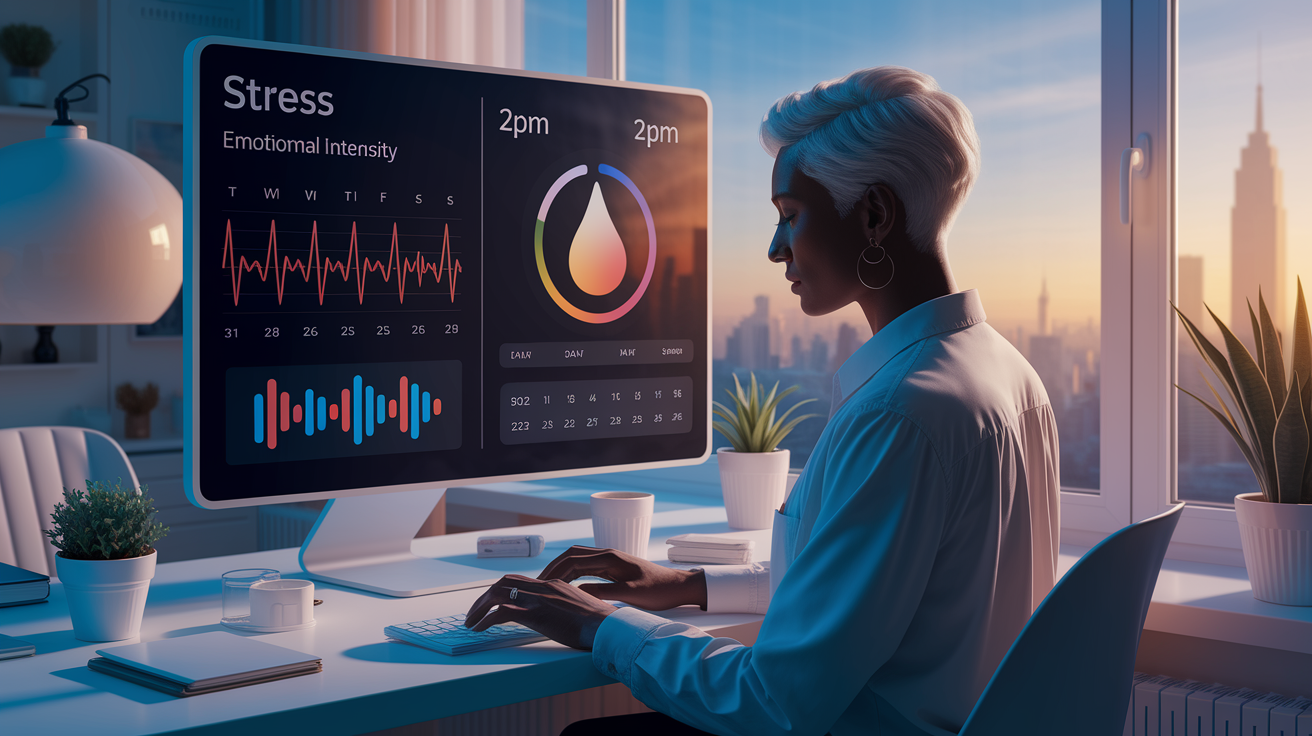
Stress trigger intensity measurement is about putting a number on how hard a specific stressor hits you. It’s not about saying “work is stressful.” It’s about asking, on a scale that means something, how stressful was that 2pm meeting, and what did your body actually do about it? You can measure it through how you feel, what your body does, or both.
So what’s the direct answer? The most reliable way to measure stress trigger intensity combines a validated self-report scale, like the PSS-10, with a physiological marker, like heart rate variability or cortisol. When your perceived stress intensity lines up with a physical signal, say a high self-report score alongside elevated cortisol or suppressed HRV, you’ve got strong evidence a trigger is genuinely impacting your body, not just your mood in the moment.
Here’s what this guide walks you through:
- Psychometric scales (like PSS-10, DASS-21) that quantify perceived stress intensity
- Physiological stress indicators including cortisol, HRV, and blood pressure
- Wearable sensors and devices that track these signals automatically
- Behavioral and event-level logging to connect triggers to responses
- Combined scoring methods that blend subjective and physiological data
Each method on its own tells part of the story. Self-report scales catch how a trigger feels to you, including the context around it, like whether you had control or support. Physiological tools catch what’s happening under the hood, even when you’re not consciously aware of it. The rest of this article breaks down how to use each one, how to score your results, what the numbers mean, and when a pattern is serious enough to bring to a professional instead of just tracking it yourself.
Why Stress Trigger Intensity Is Hard To Pin Down

Stress has two sides that don’t always agree with each other. One is how you perceive it, shaped by things like whether you felt in control of the situation or had someone to lean on. The other is physiological, showing up as cortisol spikes, changes in heart rate variability, or a racing heart. Here’s the tricky part: these two sides often show only weak to moderate correlation. You might feel wrecked by a stressor while your cortisol barely moves, or feel fine while your HRV quietly drops. That’s why researchers and self-trackers alike recommend a multi-method approach instead of trusting just one number.
On top of that, plenty of everyday things can distort your readings and make a single data point misleading. Poor sleep the night before, a second cup of coffee, certain medications, your fitness level, your age, your sex, the time of day, where you are in your menstrual cycle, or even a recent workout can all shift your physiological stress indicators independent of the actual trigger. This is why comparing your numbers to generic population averages often falls short. What matters more is your own baseline, tracked over time, so you can see what’s actually a reaction to a trigger versus just normal daily noise.
Self-Report Scales For Measuring Stress Trigger Intensity
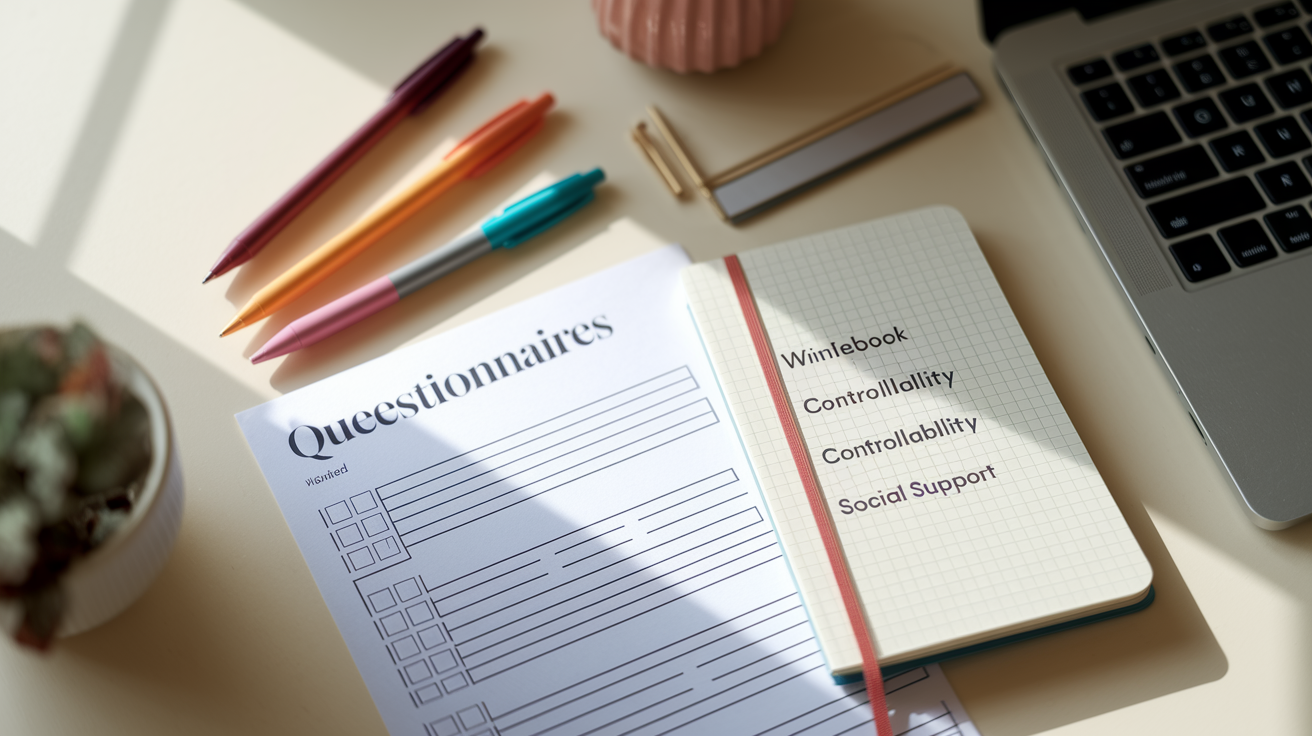
Self-report scales are the easiest entry point into stress trigger intensity measurement. They don’t need any equipment, just honest answers, and they’re built on decades of psychological research. Below are the tools most commonly used to quantify perceived stress intensity, from broad life-stress inventories to quick daily check-ins.
Perceived Stress Scale (PSS-10 and PSS-4)
The PSS was introduced in 1983 and remains one of the most widely used self-report stress scales today. The full version, PSS-10, asks 10 questions about your thoughts and feelings over the past month, each scored on a 5-point scale from 0 (never) to 4 (very often). Add up your answers and you get a total score from 0 to 40.
Interpretation bands are straightforward: 0 to 13 suggests low stress, 14 to 26 suggests moderate stress, and 27 to 40 suggests high perceived stress. The shorter PSS-4 trims this down to four questions, which makes it easier to use daily without losing much accuracy for quick trend tracking.
Holmes-Rahe Social Readjustment Rating Scale
Developed back in 1967, the Holmes-Rahe scale takes a different approach. Instead of asking how you feel, it lists 43 major life events (things like divorce, job loss, or a new baby) and assigns each one a fixed Life Change Unit (LCU) value. You sum up the LCUs for events that happened in the past 12 months.
The risk bands here are tied to health outcomes, not just mood: under 150 LCUs is low risk, 150 to 299 is moderate risk (commonly cited as around a 50 percent increased risk of stress-related illness), and 300 or above is high risk (often cited around 80 percent). This scale is less about daily hassles and more about cumulative life disruption.
DASS-21 Stress Subscale And Other Tools
The DASS-21 stress subscale converts to a 0 to 42 range and is useful when you want to separate stress from overlapping anxiety or depression symptoms. The Daily Hassles scale, on the other hand, focuses on small, repeated annoyances rather than major events, which can be a better fit if your stress comes from accumulated small frictions. For quick daily snapshots, a single item visual analogue scale for stress (just marking a point on a 0 to 10 line) works well when you don’t have time for a full questionnaire.
When you want more detail than a scale score alone, try logging each stressful event with these fields:
- Intensity rating, 0 to 10 (0 = no stress, 10 = extreme)
- Duration of the stressor (minutes, hours, or ongoing)
- Controllability, rated 0 to 4 (how much control you felt you had)
- Social support, rated 0 to 4 (how supported you felt during it)
Physiological Biomarkers For Stress Trigger Intensity Measurement
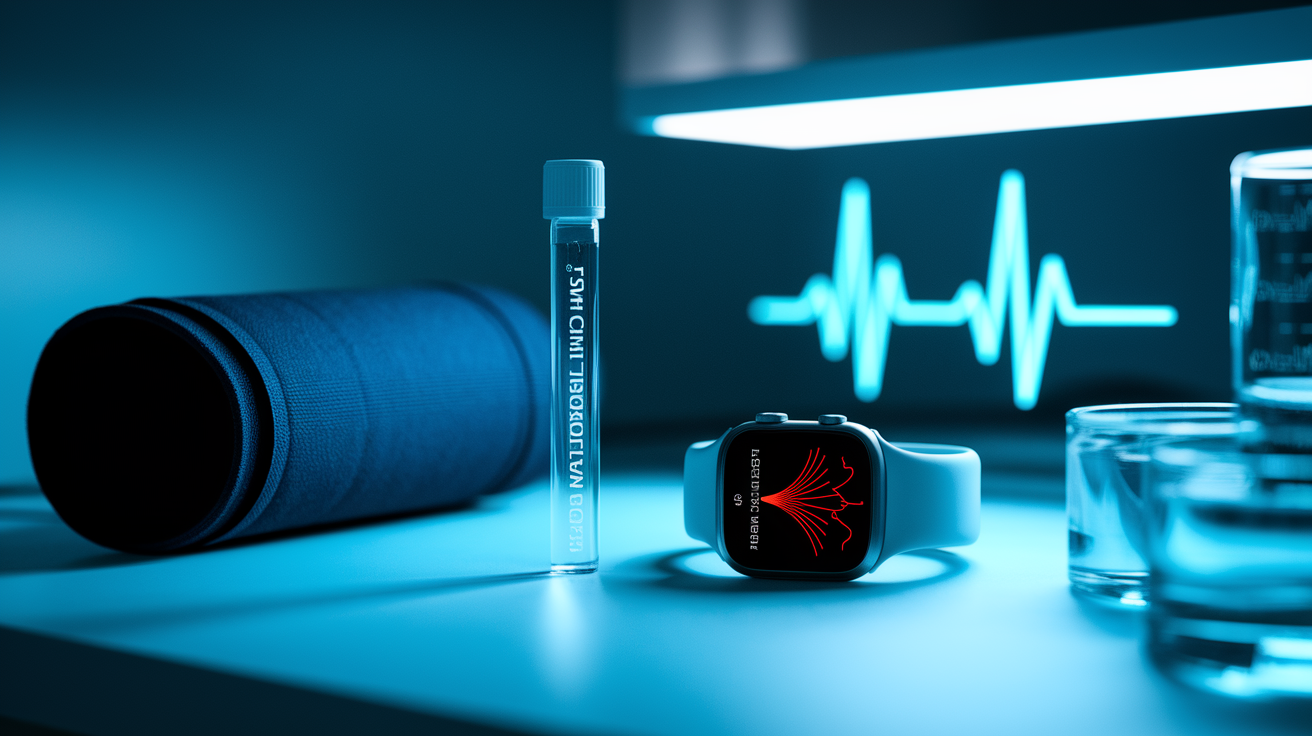
Physiological stress indicators measure what’s happening in your body, often catching things your self-report might miss entirely. These are the signals that back up, or sometimes contradict, how you say you feel.
Cortisol is one of the most studied markers. Collect saliva samples at awakening, 30 minutes after waking (known as the cortisol awak
Final Words
You learned what stress trigger intensity measurement means: scoring how severe a stressor is using self-report tools and body signals.
We walked through the most reliable combo — a validated scale like the PSS plus a physiological marker such as HRV or cortisol — and the five main categories: psychometric scales, biomarkers, wearables, event logs, and combined scoring.
Try a short 2-week test (daily PSS-4 or VAS, morning HRV, sleep notes) to spot patterns.
Keep it simple, track changes, and use stress trigger intensity measurement to guide small next steps or a chat with a clinician.
FAQ
Q: What are some effective coping mechanisms for managing stress?
A: Effective coping mechanisms for managing stress include focused breathing, short walks, consistent sleep, small planning steps, talking with a friend, cutting back on caffeine, brief mindfulness, and tracking triggers to test what helps.
Q: What are 10 ways to reduce stress at work?
A: Ten ways to reduce stress at work are short breaks, a prioritized to-do list, 2-minute breathing sessions, stretching, set boundaries, delegate tasks, tidy your space, batch email time, drink water, and take a brief walk.
Q: How to break the cycle of chronic stress?
A: Breaking the cycle of chronic stress involves identifying triggers, tracking patterns, keeping regular sleep and movement, daily breathing or HRV practice, reducing stimulants, testing small routine changes, and seeking professional help if it persists.
Q: What are the five stress management techniques?
A: Five stress management techniques are focused breathing, regular movement or exercise, a consistent sleep routine, leaning on social support, and practical problem-solving like breaking tasks into small, manageable steps.