


Think stress is always bad?
Your body’s main stress hormone, cortisol, is actually your built-in alarm, giving you fuel and focus when you need it most.
It spikes within 20 to 30 minutes of a challenge, moves glucose and blood pressure up, and then should fall back down.
This post shows how that response starts, why some people spike harder or fail to recover, and what small tests you can try to spot patterns in your own life.
How Cortisol Mobilizes The Body Under Stress
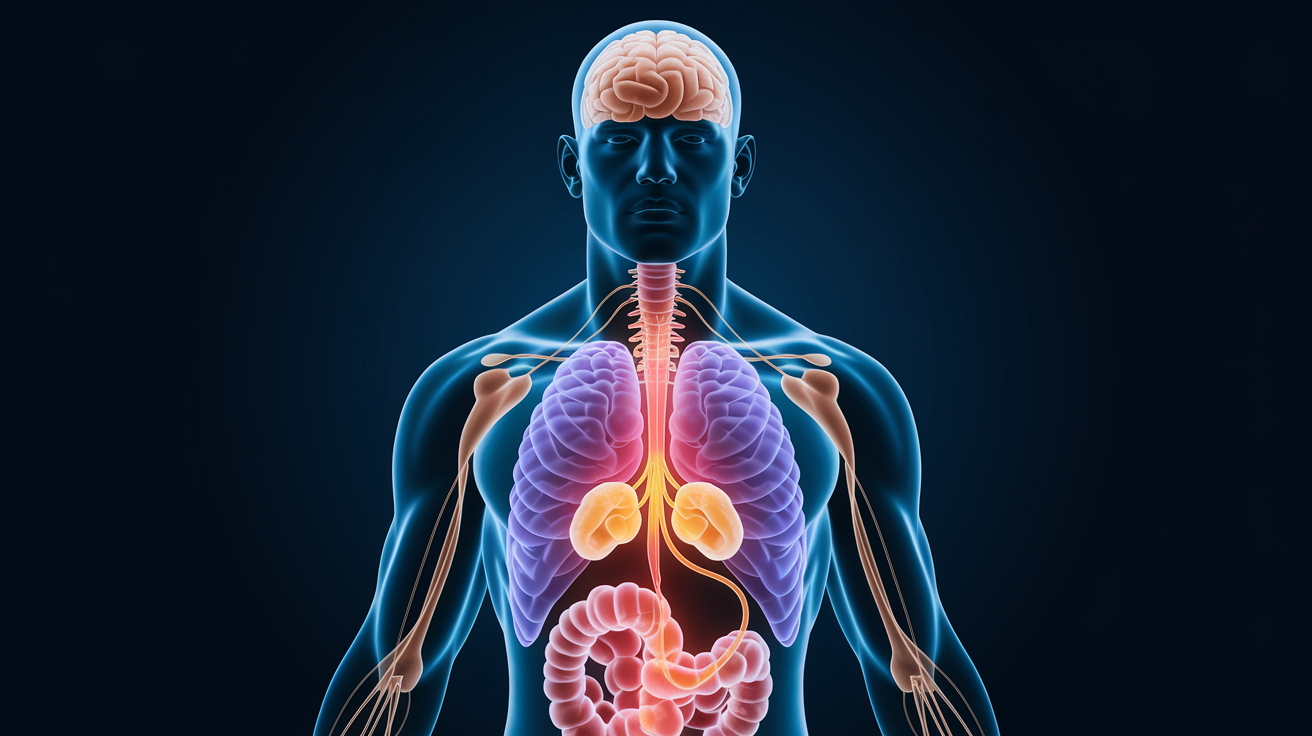
Cortisol is the main stress hormone your body releases when it senses a challenge. Made in the adrenal cortex, it’s the key player in your body’s alarm system, pulling energy reserves online and sharpening your focus so you can handle whatever’s in front of you. Think of it as your body’s own emergency dispatcher, quietly standing by until it’s needed.
This whole process runs through what’s called the HPA axis, short for hypothalamic pituitary adrenal axis. Here’s the timeline. Once a stressor hits, your hypothalamus sends out a chemical messenger called CRH, which tells your pituitary gland to release ACTH within minutes. That signal travels to your adrenal cortex, which then pumps out cortisol. The cortisol response to stressors typically peaks around 20 to 30 minutes after the stressful event starts, then eases back toward your normal baseline within 60 to 120 minutes. Cortisol’s plasma half life (how long it takes for half of it to clear your bloodstream) is roughly 60 to 90 minutes.
Stressor → Hypothalamus (releases CRH) → Pituitary (releases ACTH) → Adrenal Cortex → Cortisol Released
This quick, temporary surge isn’t your body overreacting. It’s doing exactly what it’s designed to do, making sure you have the fuel and focus to get through a tough moment. Once the stressor passes, your HPA axis activation winds down and things return to normal. It’s a short term loan against your energy reserves, not a permanent withdrawal.
What cortisol does in those first crucial minutes:
- Raises blood glucose so your muscles and brain have fuel to work with
- Increases blood pressure to get oxygen and nutrients moving faster
- Mobilizes stored fat and protein for quick energy access
- Modulates inflammation, dialing it up or down depending on what’s needed
- Temporarily suppresses non urgent functions like digestion and reproduction
What Determines The Strength Of A Cortisol Reaction

Not every stressor hits your system the same way. A lot comes down to how your brain appraises the situation in that first split second. Is it new? Is it something you can control? Is someone judging you? These questions shape whether your cortisol reactivity stays mild or spikes hard. The CRH to ACTH to cortisol pathway we covered earlier kicks in either way, but the intensity of that chain reaction depends heavily on perceived threat, not just the stressor itself.
Stressor intensity and duration matter too, along with how often you’ve faced something similar before. Someone who gives presentations weekly may show a smaller cortisol response to stressors than someone doing it for the first time. Prior exposure, personal temperament, and overall resilience all shape the size of the spike. Luckily, your body has built in brakes. Negative feedback involving the hippocampus, pituitary, and hypothalamus helps rein in cortisol once it’s done its job, keeping the response from running longer than it needs to. One of the most studied examples of measurable cortisol reactivity is the Trier Social Stress Test, a standardized public speaking and mental math challenge that commonly produces a twofold to threefold increase in cortisol, peaking around 20 to 30 minutes after the test begins.
| Stressor Type | Example | Typical Cortisol Response |
|---|---|---|
| Psychological or social evaluative | Public speaking, exams, job interviews | Strong, reliable increase, often twofold to threefold |
| Physical | Trauma, infection, high intensity exercise | Rises proportional to severity and duration |
| Environmental | Extreme temperature, loud noise, low oxygen | Variable, depends on intensity and perceived threat |
Acute Versus Chronic Cortisol Response Patterns
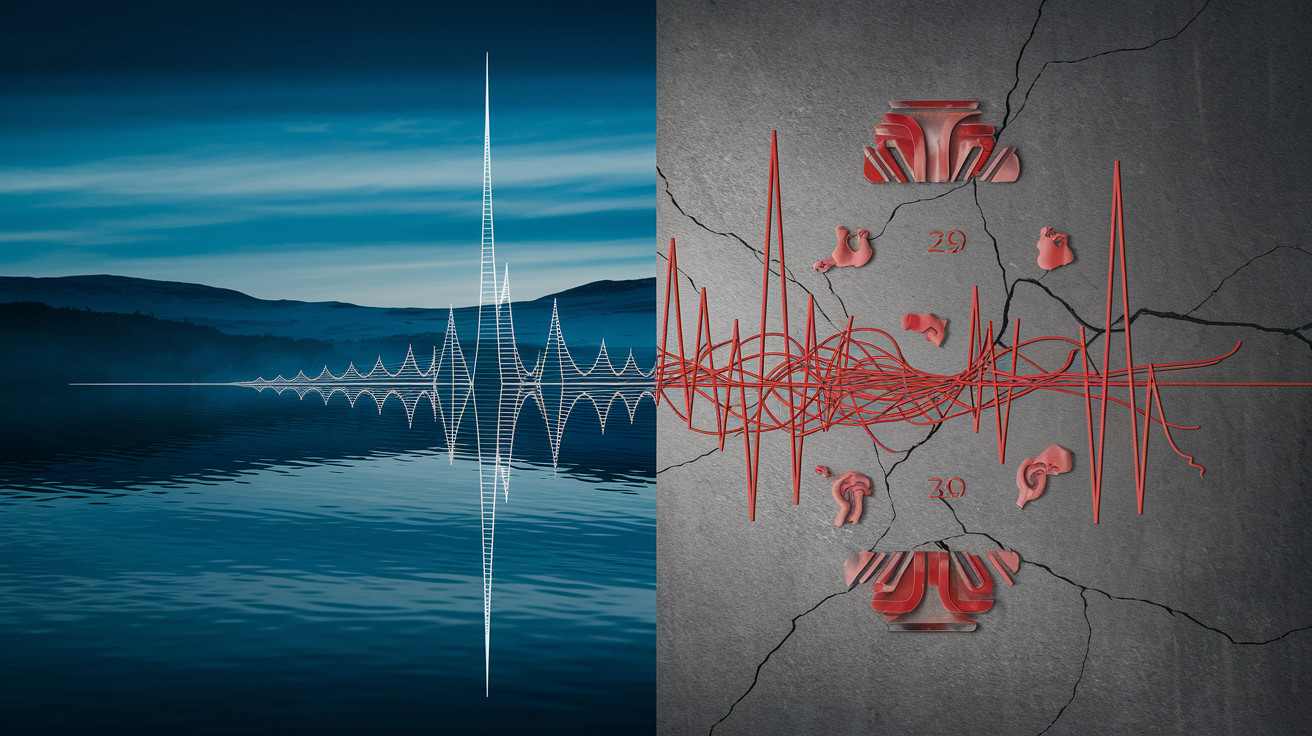
A healthy acute cortisol response is short, matched to the size of the challenge, and followed by a clean recovery back to baseline. You hit a stressful moment, your body responds, the moment passes, and your cortisol drops right back down. That’s the system working the way it’s supposed to.
Chronic stress tells a different story. Repeated or prolonged activation of the HPA axis can mean your recovery gets delayed, your baseline cortisol shifts, or your daily rhythm starts to flatten out. Some people develop a blunted response, where their body barely reacts to new stress. Others develop an exaggerated response, overreacting to things that wouldn’t have bothered them before. There’s no single chronic stress fingerprint. It looks different from person to person. This is where allostatic load comes in, a term describing the cumulative physiological wear and tear that builds up from your body adapting to stress over and over again. It’s less about one bad day and more about the toll of many.
Long term dysregulation has been linked to a handful of recurring issues:
- Metabolic changes, including insulin resistance and central or visceral fat gain
- Cardiovascular effects like elevated blood pressure and unhealthy cholesterol shifts
- Impaired immune function and slower wound healing
- Bone loss, raising the risk of osteoporosis over time
- Increased risk of mood disorders, including anxiety and depression
Daily Cortisol Rhythm And The Awakening Response
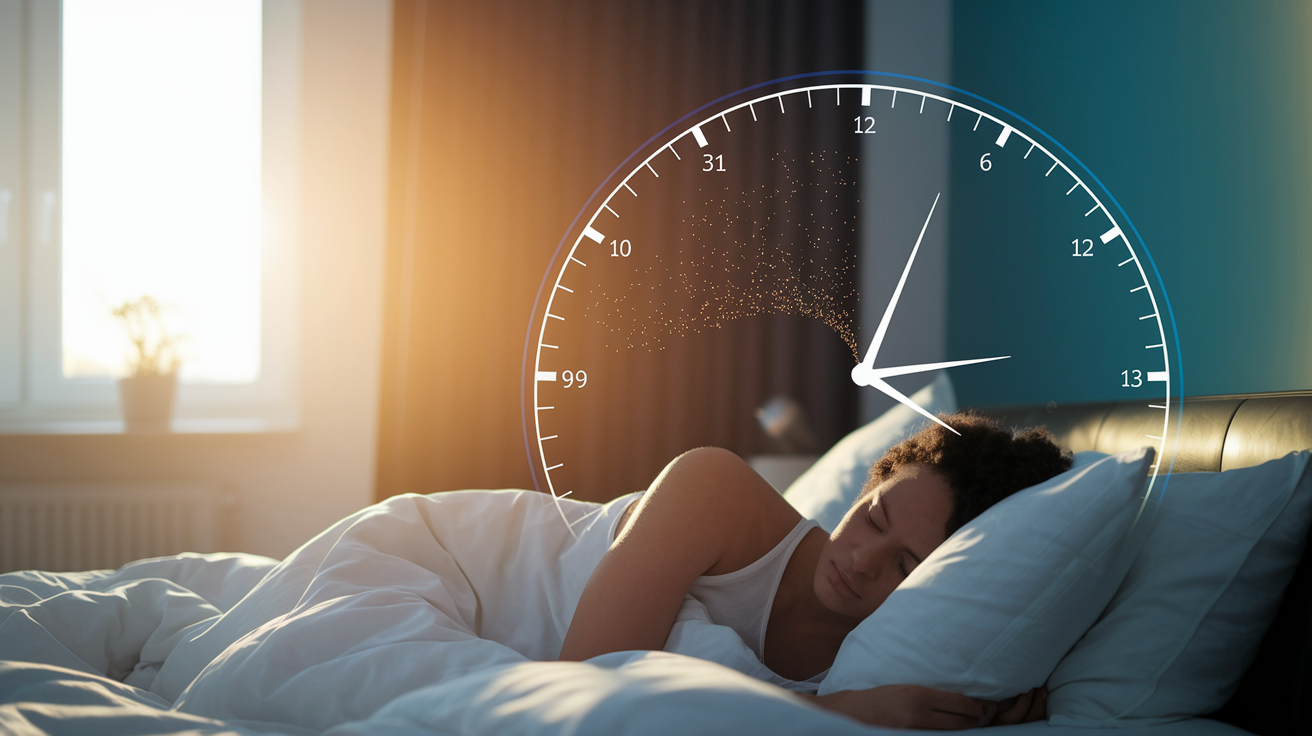
Separate from any stressful event, your cortisol naturally rises and falls across a 24 hour cycle. Levels are highest in the early morning, right around when you wake up, and lowest around midnight. This diurnal cortisol rhythm often shows a decline of more than 50 percent from that morning peak down to nighttime lows. It’s less a straight line and more like a hill you climb each morning and slowly descend throughout the day.
Within that rhythm sits something called the cort
Final Words
When a threat appears, the hypothalamus triggers the pituitary and the adrenal cortex releases cortisol to free energy, sharpen focus and pause non-urgent systems. It peaks around 20–30 minutes and falls over the next hour or two.
Spike size depends on threat appraisal, stressor type and duration, and past exposure. Repeated activation can shift your baseline and flatten the daily rhythm, and the cortisol awakening response is a separate, time-based rise, so sample timing matters.
Track signals and timing to spot your cortisol response to stressors. Test one small change at a time and see what helps.
FAQ
Q: How to reduce cortisol spikes at 3am?
A: Reducing cortisol spikes at 3 a.m. involves a steady sleep schedule, avoiding late caffeine and heavy meals, keeping your bedroom cool and dark, doing relaxation (breathing or progressive muscle) before bed, and limiting nighttime stress.
Q: What are the symptoms of a cortisol stress response?
A: The symptoms of a cortisol stress response include a racing heart, sweaty or jittery feeling, rapid breathing, trouble sleeping, slowed digestion or low appetite, higher blood pressure, sharper focus or agitation, and raised blood sugar.
Q: How long does it take for cortisol levels to drop after stress?
A: After stress, cortisol usually peaks about 20 to 30 minutes and then falls toward baseline over roughly 60 to 120 minutes; its plasma half-life is about 60 to 90 minutes.
Q: How to lower daytime cortisol?
A: Lowering daytime cortisol means keeping regular sleep and mealtimes, cutting back on midday caffeine and very intense workouts, adding short walks or breathing breaks, scheduling micro-rests, and getting social support or therapy for ongoing stress.