

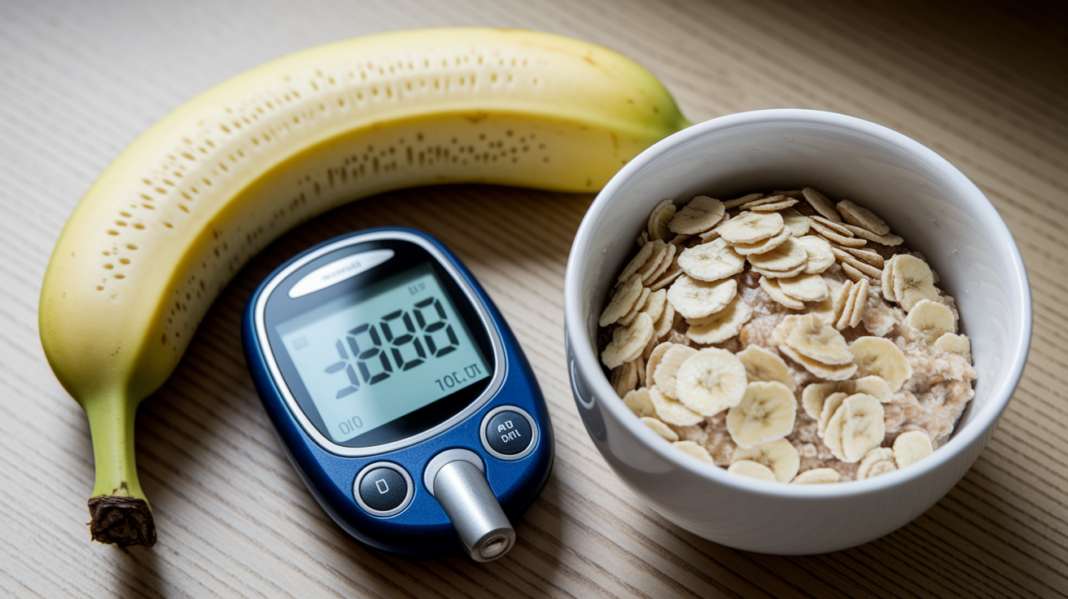

What if your mid-afternoon slump isn’t laziness but a blood sugar swing?
Glucose is the fuel your brain and muscles use every hour, and how fast it rises and falls often shapes whether you feel alert or wiped out.
For many people a fast post-meal spike followed by a quick drop, even while numbers look “normal”, is the quiet cause of heavy eyes, foggy thinking, and low drive.
The key idea: steady glucose, not just avoiding low readings, tends to give steadier energy, and spotting that pattern is something you can test.
How Glucose Fuels the Body

Glucose is the main fuel your brain runs on, and it matters for nearly every other cell in your body too. When you eat, carbohydrates break down into glucose, which enters your bloodstream. Insulin, a hormone made by your pancreas, acts like a key that unlocks your cells so glucose can move out of the blood and into muscles, organs, and brain tissue where it gets used for fuel. This system, glucose metabolism, is the backbone of the blood sugar and energy level connection that shapes how you feel hour to hour.
Here’s what normally happens after you eat. Insulin secretion begins within minutes of taking in carbohydrates, and it often peaks somewhere between 30 and 90 minutes later. If the meal is high glycemic, meaning it digests fast and floods your blood with glucose, that glucose rise can happen within 15 to 60 minutes. Your pancreas responds with a bigger insulin release to match it. Then, about 1.5 to 3 hours after eating, glucose often comes back down, sometimes fast. This dip can bring on a postprandial energy crash, that heavy, foggy feeling after lunch, even when your glucose never drops low enough to be called hypoglycemia. Fasting glucose in the 70 to 99 mg/dL range and two hour post meal glucose under 140 mg/dL are considered normal targets, so a lot of this rise and fall pattern happens well within what’s medically “fine,” even though it doesn’t always feel fine.
A few timing and situational clues can help you spot this pattern in your own day:
- It occurs approximately 1.5 to 3 hours after eating.
- It follows a meal or snack high in rapidly digested carbohydrates.
- It appears after a rapid post meal glucose rise.
- It is more noticeable after a large meal than after a balanced, moderate meal.
- It follows a recurring pattern at similar points after comparable meals.
Zoom out for a second and the bigger picture is this: glucose stability, not just avoiding “low” blood sugar, is one of the most useful levers you have for steady energy levels across the day. When the rise and fall stays gentle, energy tends to follow along more evenly.
What Happens When Blood Sugar Runs Too Low or Too High

Feeling tired doesn’t automatically mean your blood sugar is low. Symptoms alone can’t confirm hypoglycemia. You’d need an actual glucose reading below 70 mg/dL to call it that. It’s an important distinction, because a lot of the “slump” people describe after eating happens while glucose is still technically in the normal range.
Low Blood Sugar (Hypoglycemia) and Fatigue
True hypoglycemia means a measured glucose level under 70 mg/dL. At this point, your body starts sending out warning signs: shakiness, sweating, hunger, irritability, lightheadedness, confusion, and weakness. These are your counterregulatory hormones kicking in, trying to push glucose back up. If glucose drops further, below 54 mg/dL, it becomes clinically significant and urgent. At that level, seizures or loss of consciousness become real risks, and it needs prompt attention.
Rapid Glucose Declines Within the Normal Range
Here’s the tricky part. Glucose can fall quickly after a post meal spike without ever dipping below 70 mg/dL. This rapid decline can still feel like a slump, heavy eyelids, trouble focusing, a pull toward the couch, but it isn’t confirmed hypoglycemia. It’s more like your body reacting to the speed of the drop rather than the actual number. Worth tracking, but not something to self diagnose as low blood sugar.
High Blood Sugar (Hyperglycemia) and Lethargy
On the other end, elevated glucose can leave you just as drained, even though there’s technically plenty of fuel in your blood. The problem is your cells aren’t using it well. Common signs include fatigue, increased thirst, more frequent urination, brain fog, and blurred vision. In one experiment, researchers raised glucose to roughly 300 mg/dL over 20 minutes and saw measurable effects: lower energetic arousal, worse working memory and attention, slower processing speed, and increased sadness and anxiety. High blood sugar lethargy is real, and it’s not just “in your head.”
| Condition | Glucose Threshold | Key Energy Symptoms |
|---|---|---|
| Confirmed hypoglycemia | Below 70 mg/dL (below 54 mg/dL is clinically significant) | Shakiness, sweating, confusion, weakness, risk of seizure at severe levels |
| Rapid decline within normal range | At or above 70 mg/dL | Perceived slump, low focus, tiredness, not a confirmed diagnosis |
| Hyperglycemia | Above 140 mg/dL two hours post meal (acute studies used ~300 mg/dL) | Fatigue, brain fog, thirst, frequent urination, blurred vision |
Why Does Blood Sugar Fluctuate Throughout the Day
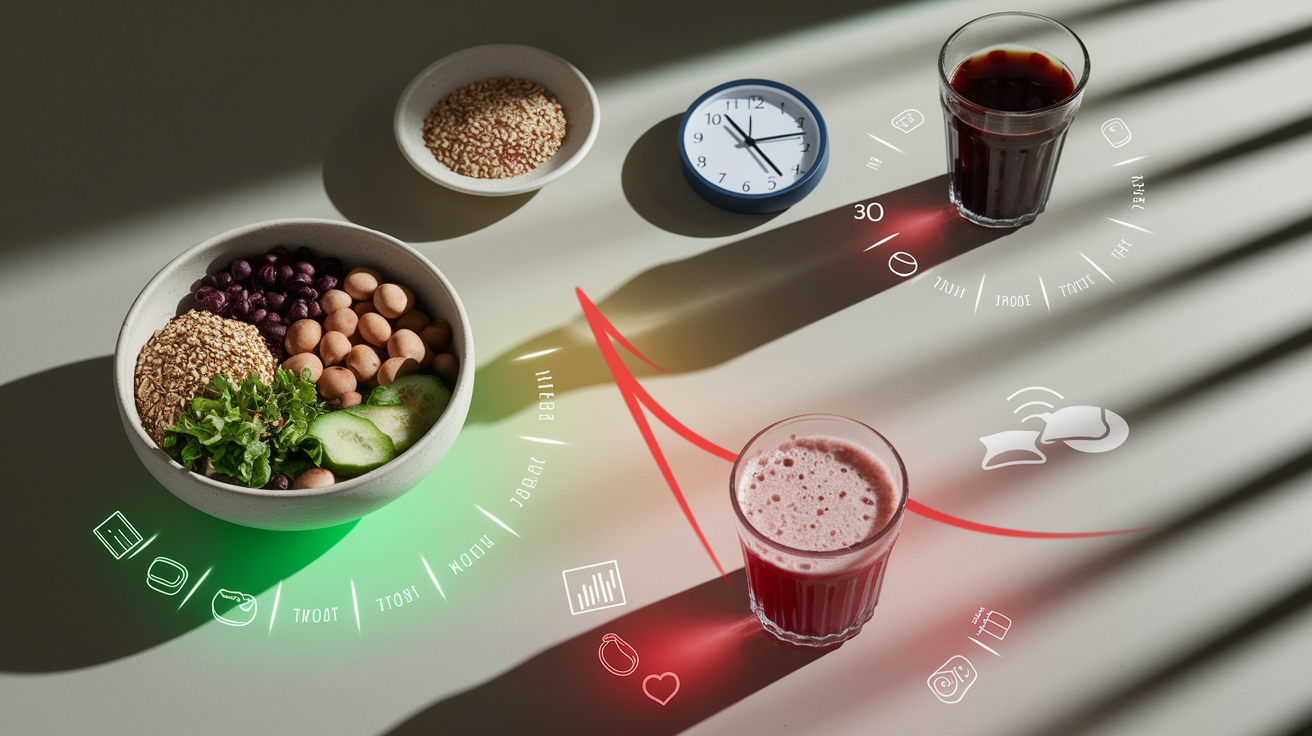
A lot of what drives blood sugar swings comes down to what and how you eat. Complex carbs vs simple carbs makes a real difference here. Foods that digest slowly, think whole grains, legumes, and fiber rich vegetables, release glucose gradually. Simple carbs, like white bread or sugary drinks, dump glucose into your blood fast. Add in glycemic index, portion size, and irregular meal timing, and you’ve got several dials all being turned at once, sometimes without you noticing.
But diet isn’t the whole story. Sleep quality and blood glucose are closely linked, and a rough night can throw off your numbers just as much as
Final Words
In the action, we saw how glucose fuels the brain and how insulin moves fuel into cells. A high-glycemic meal can spike glucose and trigger a slump about 1.5–3 hours later.
We separated true low and high blood sugar from rapid normal declines that can feel like hypoglycemia. Then we covered common drivers—meal carbs, sleep, stress, alcohol, and caffeine—and timing cues to watch.
Stabilizing glucose is a useful lever for steadier energy. Keep tracking the blood sugar and energy level connection, try one small test, and watch what changes. You’ve got this.
FAQ
Q: Do blood sugar levels affect energy?
A: Blood sugar levels affect energy by supplying glucose to the brain and cells; when levels spike or fall quickly you may feel wired, foggy, or tired, so steady glucose supports steadier energy.
Q: Will cutting out sugar give you more energy?
A: Cutting out sugar can give you more energy by reducing rapid glucose spikes and post-meal crashes; try a short test of three days and see if your midafternoon slump and focus improve.
Q: Can drinking lots of water lower blood sugar?
A: Drinking lots of water can lower blood sugar a little by helping the kidneys remove excess glucose, but hydration isn’t a reliable treatment, so check levels and seek medical advice if readings stay high.
Q: What are 5 signs your blood sugar is too high?
A: Signs your blood sugar is too high include increased thirst, frequent urination, persistent fatigue or lethargy, blurred vision, and brain fog or poor concentration; if you notice these, measure your glucose and talk to a clinician.