

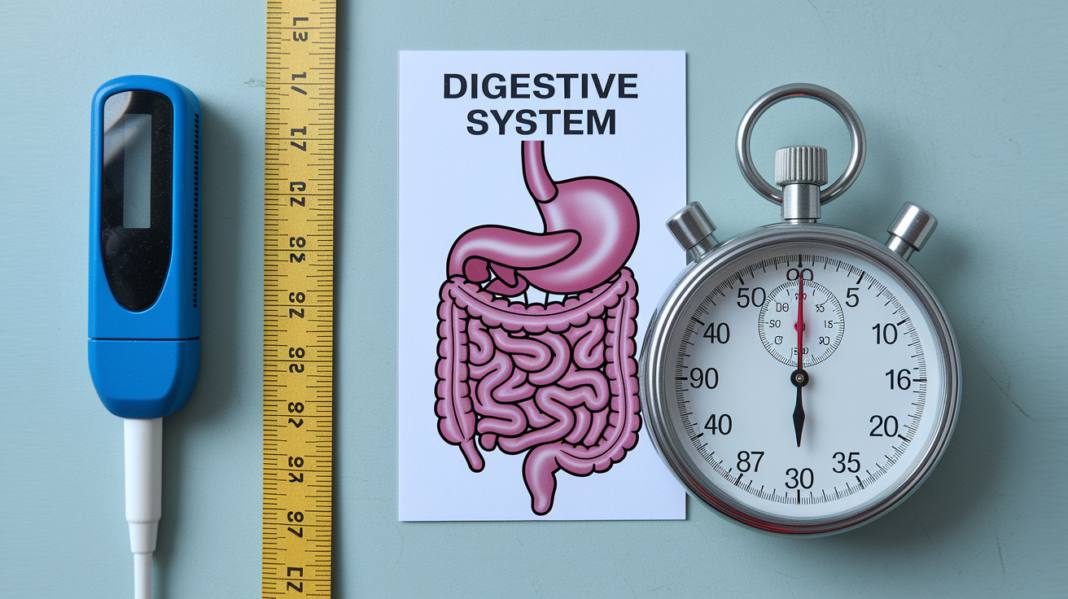

Did you know the path from your mouth to your exit can be about 25 to 30 feet long?
And the trip for one meal often takes 24 to 72 hours, with 36 to 48 hours a common average.
But “how long” is actually two questions, size or time.
This piece explains both in plain terms, shows why people vary, and gives small tests you can try to see where your body sits.
How Long Is The Digestive System (Length And Time Explained)
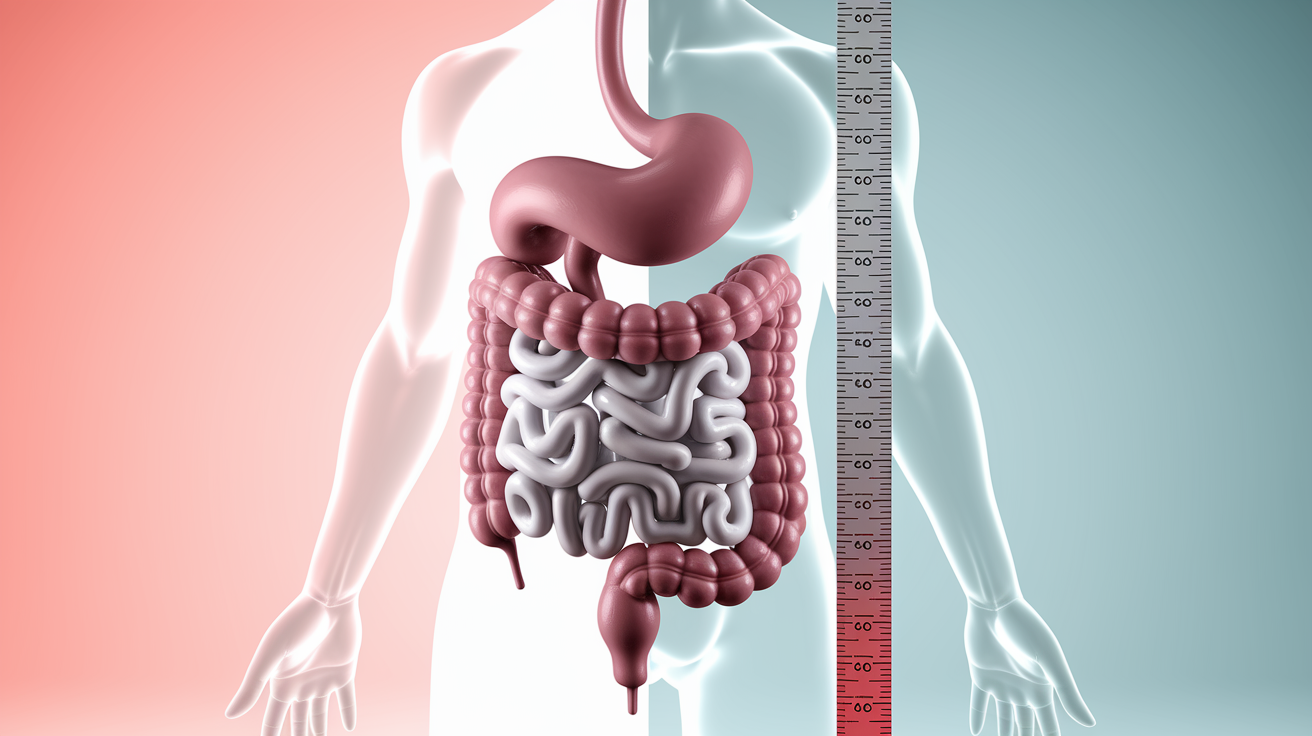
Here’s the short version. Your digestive system, measured from mouth to anus, runs about 25 to 30 feet long (roughly 7.6 to 9.1 meters). And if you’re wondering how long it takes food to make that trip, most healthy adults see it happen somewhere between 24 and 72 hours. 36 to 48 hours is a common average.
This question actually hides two different answers, and that’s not by accident. Some people search “how long is the digestive system” wanting to know its physical size. Others mean the time it takes food to travel through. Both are fair questions, and both deserve a real answer, so this article covers each one fully.
Here’s a quick snapshot before we go deeper:
- Total length: about 25 to 30 feet (7.6 to 9.1 meters), often rounded to 30 feet for simplicity
- Total digestion time: typically 24 to 72 hours from the first bite to elimination
- Average whole gut transit time: research often points to around 28 hours, though some studies report a range of 14 to 58 hours
- Individual variability: some research even shows full digestion stretching up to 5.5 days (about 132 hours) for certain people
That last point matters a lot. There’s no single “correct” number for either length or time, just healthy ranges. Next, let’s look at why your gut might be longer, shorter, faster, or slower than your neighbor’s, and what that actually depends on.
Why Digestive System Length And Timing Vary By Person
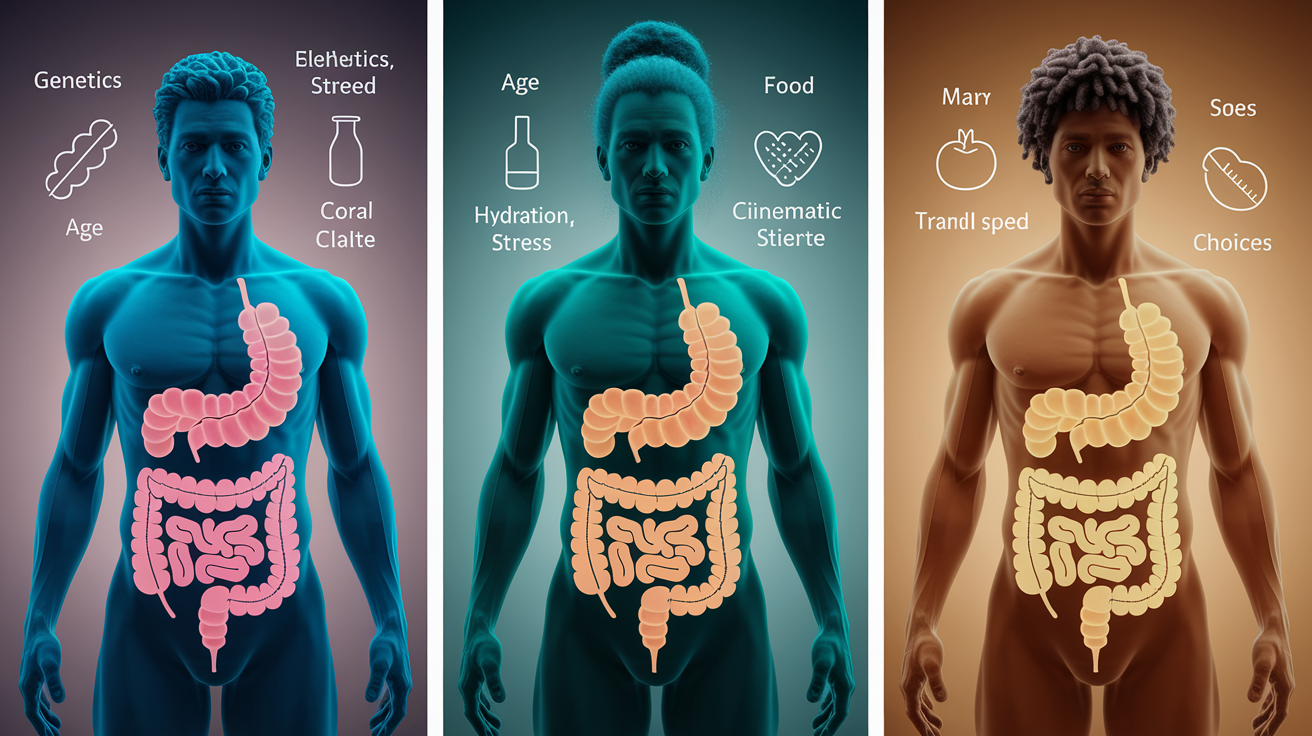
Your gut isn’t built from a fixed blueprint. Small intestine length alone can range from 15 to 25 feet depending on the person, and that kind of stretch adds up. Genetics play a role here, and there’s some correlation between gut length and body size or height, though it’s not a perfect match. Two people the same height can still have noticeably different intestinal lengths. On top of that, how researchers measure the gut, whether through imaging during surgery, cadaver studies, or newer scanning methods, can shift the reported numbers slightly too.
Timing is its own puzzle. Metabolism sets a baseline pace for a lot of people, and it tends to slow down with age as gut motility weakens and stomach acid production drops. Hydration matters more than people expect. Dehydration alone can slow transit and lead to constipation. Stress changes things too, speeding digestion up for some (hello, sudden bathroom urgency before a big meeting) and slowing it down for others. Add in what you actually ate. A light salad digests very differently than a greasy burger, and you start to see why “how long does digestion take” never has one tidy answer.
Digestive System Length: Organ By Organ Measurements
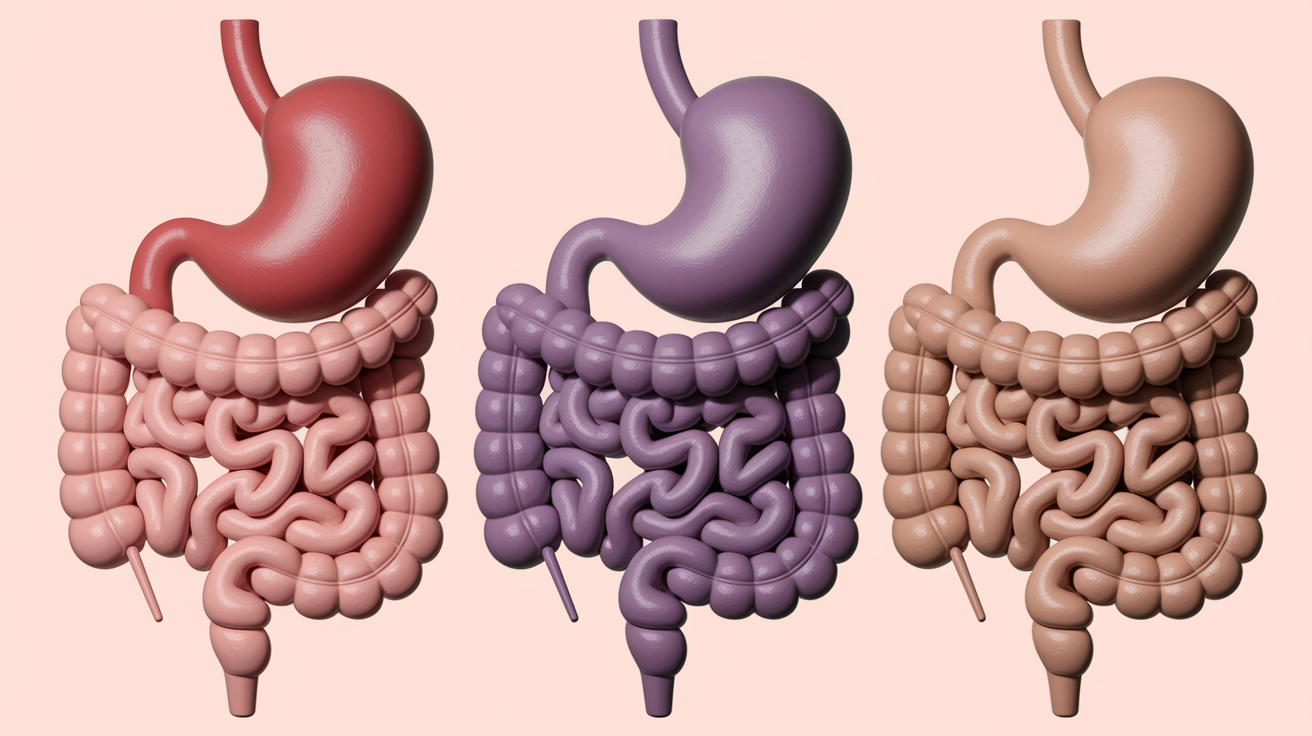
If you’re after the physical length answer, this is where it gets specific. Each organ in your digestive tract has its own approximate size and job, and together they add up to that full 25 to 30 foot journey.
| Organ | Approx. Length | Function |
|---|---|---|
| Mouth | A few inches (varies by person) | Chewing, mixing food with saliva, starting carbohydrate breakdown |
| Esophagus | 8 to 10 inches (20 to 25 cm) | Carries swallowed food to the stomach via muscle contractions |
| Stomach | Volume of 1.0 to 1.5 liters when moderately full | Mixes food with acid and enzymes, forms chyme |
| Small intestine | About 20 feet (6 meters), range 15 to 25 feet | Main site of digestion and nutrient absorption |
| Large intestine (colon) | 4 to 6 feet (1.2 to 1.8 meters), often cited as 5 feet | Absorbs water and electrolytes, forms stool |
| Rectum and anus | A few extra inches | Stores and eliminates waste |
Notice how the small intestine does the heavy lifting here. At around 20 feet, it’s by far the biggest length contributor in the whole tract, more than double the large intestine’s length. Picture it as one continuous path: mouth, then esophagus, then stomach, then small intestine, then large intestine, and finally out through the anus. That’s your full 25 to 30 foot digestive tract laid out in order.
How Long Digestion Takes: Stage By Stage Timeline
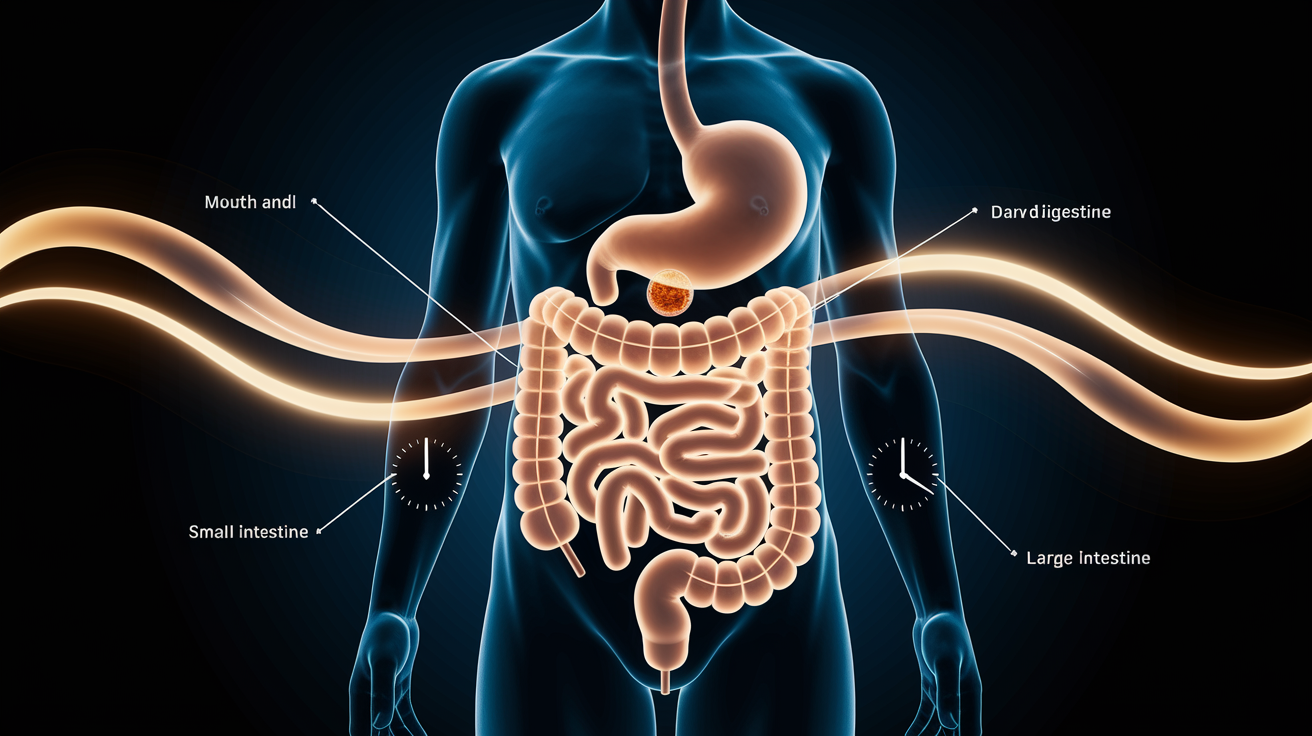
Length is only half the story though. Here’s what happens at each stop along that path, and roughly how long your food actually spends there.
Mouth And Esophagus
This part is fast, just seconds to a minute or two. Chewing breaks food down mechanically and starts chemical digestion through saliva. Then swallowing sends it down the esophagus to the stomach in a matter of seconds thanks to peristalsis (the wave-like muscle contractions that move food along).
The Stomach
Here things slow down a bit. A mixed meal typically takes 2 to 4 hours to empty from the stomach, though this can stretch to 6 or more hours depending on what you ate. Liquids move through much faster. Water on an empty stomach can start entering the small intestine in as little as 5 to 20 minutes.
The Small Intestine
This is where most nutrient absorption happens, and food usually spends about 3 to 6 hours here. Enzymes from the pancreas and bile from the liver break things down further while nutrients get pulled into your bloodstream through the intestinal walls.
The Large Intestine (Colon)
This stage is the longest and the most variable, ranging anywhere from about 10 hours to several days. Your colon absorbs water and electrolytes here, gradually turning waste into the st
Final Words
You now have the quick answer: the digestive tract is roughly 25 to 30 feet long, and food commonly takes about 24 to 72 hours to pass from mouth to anus. We also covered why those ranges vary and what each organ adds.
We broke down organ lengths and stage-by-stage times, and showed how different foods speed up or slow digestion.
Use this as a starting point. Track a few days, note meals and timing, and see your pattern. Asking how long digestive system takes for you is a useful clue, and small tests often help.
FAQ
Q: How long does it take to fully digest food and poop it out?
A: Fully digesting a meal and passing it as stool usually takes about 24 to 72 hours, commonly 36–48 hours, and some people pass food faster or slower depending on diet, activity, and gut health.
Q: How many pounds of feces can your colon hold?
A: The colon can hold roughly 1 to 5 pounds of stool at a time, with common estimates near 1.5 to 5 pounds, depending on stool water content, recent meals, and individual colon size.
Q: What’s the fastest something can go through your digestive system?
A: The fastest transit is minutes for clear liquids, with water moving from mouth to intestines in about 5 to 20 minutes, while solids take hours and whole-gut transit can be under 24 hours in fast cases.
Q: Is food still in your stomach 2 hours after eating?
A: Food may still be in your stomach two hours after eating; mixed meals typically empty in 2 to 4 hours, liquids clear faster, and high-fat or large meals take longer.