

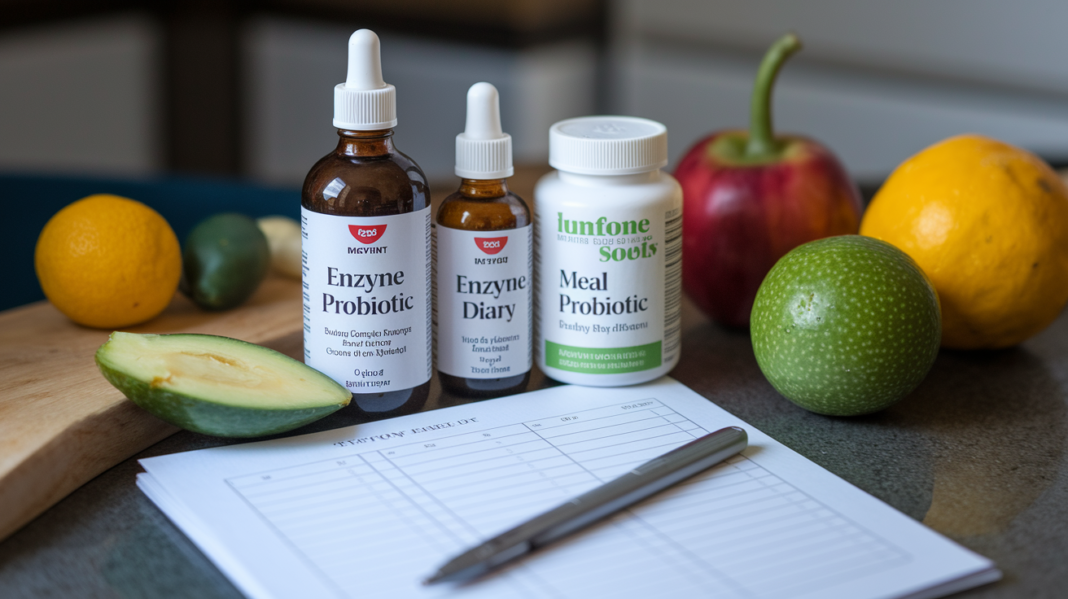

Controversial: there’s no single winner between digestive enzymes and probiotics.
Which helps more depends on your symptoms and when they happen.
If you bloat right after a meal, enzymes often work fast by helping break food down.
If gas and irregularity hang around all week or show up after antibiotics, probiotics aim to rebalance your gut over days to weeks.
This post gives simple clues to pick the right tool and a quick plan you can test this week.
Symptom-Based Guidance: Matching Bloating And Gas To The Right Fix
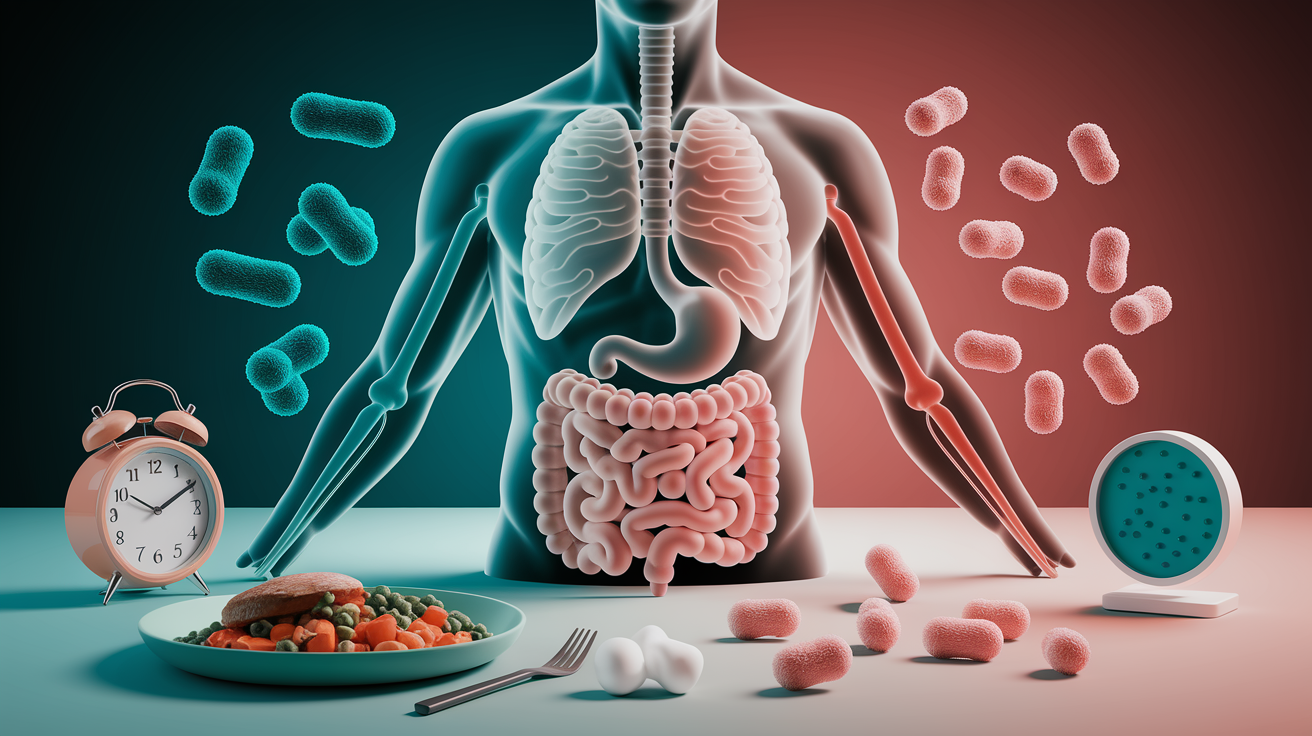
Timing is your best clue. When does the bloating actually show up, and what were you doing right before it started? That one detail often points you toward enzymes vs probiotics for indigestion faster than any product label ever will.
That said, bloating and gas aren’t tidy. They can come from food intolerances, overeating, small intestinal bacterial overgrowth, slow motility, or something else entirely. So don’t be surprised if your symptoms don’t fit neatly into one box. Overlap is normal, not a sign you’re doing something wrong.
| Symptom | Likely Cause | Recommended Option | Timing |
|---|---|---|---|
| Bloating or gas right after a specific meal | Undigested fats, proteins, or carbs from that meal | Digestive enzymes | With the meal, effects in 30 to 60 minutes to a few hours |
| Oily or greasy stools | Fat malabsorption, possible enzyme insufficiency | Digestive enzymes | With meals, especially higher fat ones |
| Gas or bloating unrelated to specific meals | Microbial fermentation, gut imbalance | Probiotics | Daily, between meals, 2 to 4 weeks for early signs |
| Irregularity after antibiotics | Disrupted microbiome | Probiotics | Start during or right after antibiotics, ongoing daily use |
| Chronic diarrhea or constipation | Long-term microbiome imbalance | Probiotics | Daily, optimal benefits around 8 to 10 weeks |
| Overlapping or unclear symptoms | Multiple possible causes | Both, tested one at a time | Enzymes with meals, probiotics daily between meals |
When to take digestive enzymes is pretty intuitive once you notice the meal connection. When to take probiotics is more about sticking with it over days and weeks, since you’re working on the broader gut environment rather than one single plate of food.
Plenty of people find both help at the same time. If you’re dealing with meal-triggered bloating and separate, ongoing irregularity, enzymes and probiotics can each work on their own piece of the puzzle without stepping on each other.
One caution worth repeating. If bloating comes with unexplained weight loss, blood in your stool, severe pain, or vomiting that won’t quit, that’s not a trial and error situation. See a healthcare provider before reaching for either supplement.
Side Effects And Safety Considerations
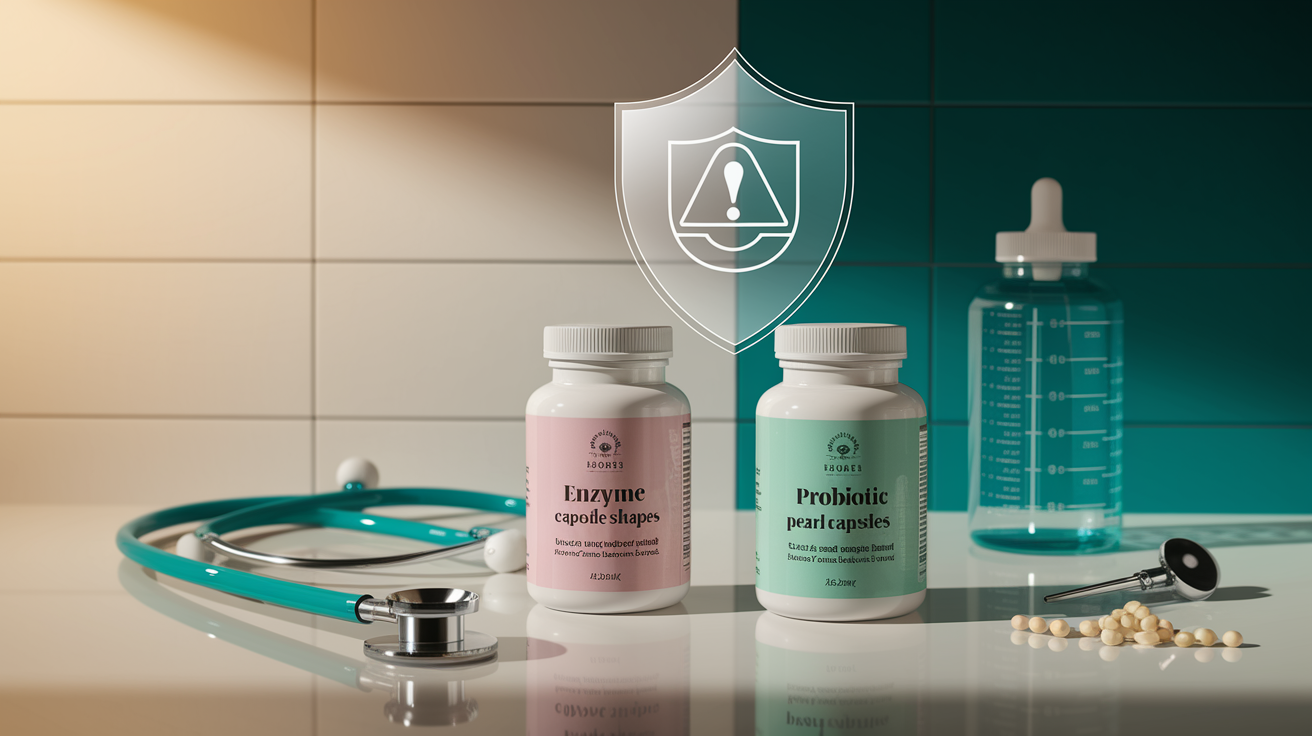
Are digestive enzymes safe? Are probiotics safe? For most healthy adults, yes, but the two carry slightly different risk profiles worth knowing before you start either one.
Digestive enzyme side effects tend to show up at higher doses and often settle down once your body adjusts or your dose gets lowered.
- Nausea, especially when taken without food
- Diarrhea or loose stools
- Abdominal discomfort or cramping
- Possible reduced natural enzyme production with long-term, high-dose reliance
Probiotic side effects are usually milder and shorter-lived, tied to your gut adjusting to new microbes.
- Temporary gas or bloating
- Changes in stool consistency
- Mild stomach discomfort during the first days or weeks
- Rarely, headaches as the microbiome shifts
Most probiotic supplement risks resolve within days to a couple of weeks. If they don’t, that’s worth mentioning to a clinician instead of pushing through indefinitely.
People who are immunocompromised or have a central venous catheter should talk to a clinician before starting probiotics, since there’s a rare but real infection risk in those situations. Same goes for anyone managing an underlying GI condition or taking other medications regularly. And since both enzymes and probiotics are regulated as supplements rather than drugs, quality and purity can vary quite a bit between brands. A quick check-in with your doctor or pharmacist before starting either one is a smart, low effort safety step.
Condition-Specific Recommendations
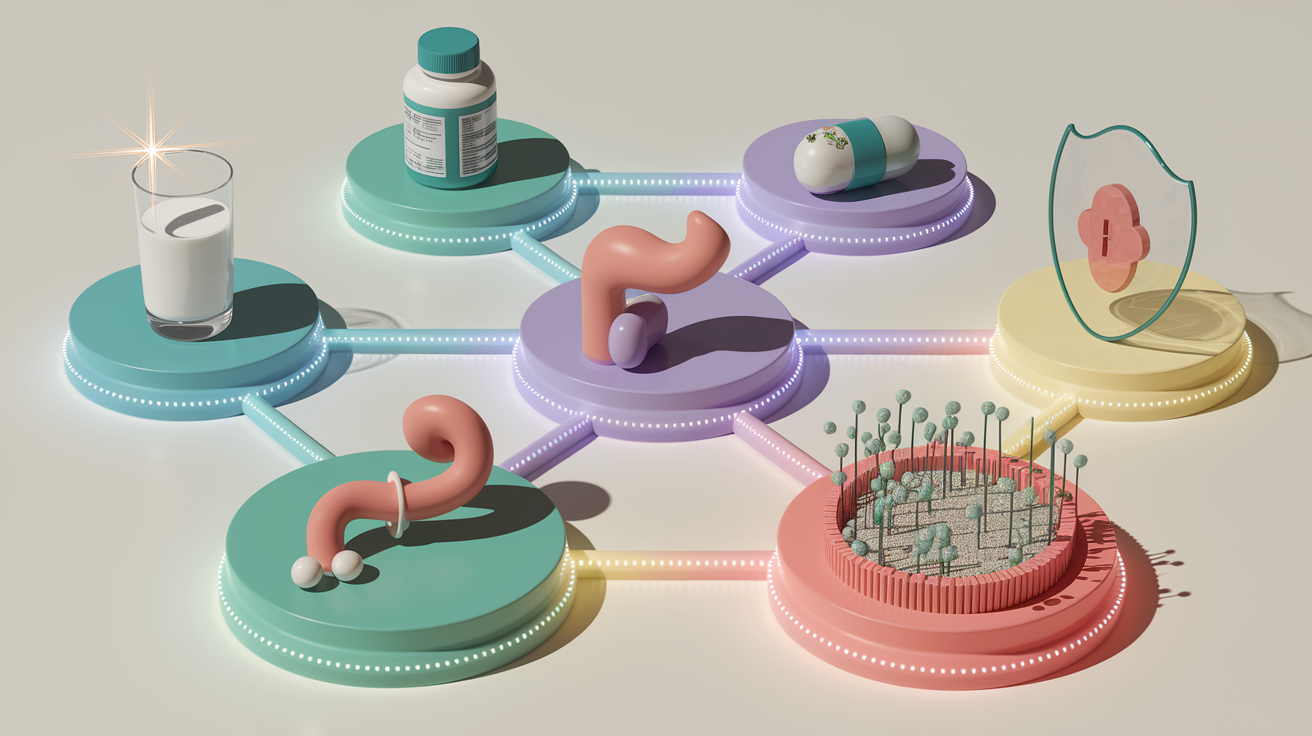
Lactose Intolerance
If dairy gives you trouble, enzymes for lactose intolerance are the clear pick. A lactase supplement taken right before or with dairy helps break down the lactose your body can’t process on its own, often easing symptoms within the same meal.
Pancreatic Insufficiency
Enzymes for pancreatic insufficiency work differently here. Conditions like chronic pancreatitis or cystic fibrosis need prescription strength pancreatic enzyme replacement therapy, not an over-the-counter enzyme blend. This one requires medical supervision, not self-treatment.
Irritable Bowel Syndrome (IBS)
Both digestive enzymes for IBS and probiotics for IBS have a place, depending on your pattern. If symptoms flare right after eating certain foods, enzyme support may help. If bloating and irregularity seem tied to microbial imbalance rather than any one meal, targeted probiotic strains are usually the better fit.
Post-Antibiotic Recovery
Probiotics for antibiotic recovery are well supported by research. Starting them during or shortly after your antibiotic course helps rebuild what the medication disrupted, rather than waiting until symptoms are already noticeable.
General Immune And Gut Barrier Support
Probiotics for immune support are more of a long game.
Final Words
Match the timing and pattern of your symptoms to the right tool: enzymes for meal-linked bloating, oilier stools, or heartburn soon after eating; probiotics when gas and bloating come from ongoing fermentation, irregularity, or after antibiotics. Use the decision table to pick a first small test.
If symptoms overlap, a short enzyme trial with a steady probiotic start is a reasonable, trackable experiment—enzymes with meals, probiotics consistently between meals.
If symptoms are severe or new, see a clinician. With careful tracking, the digestive enzymes vs probiotics question becomes a practical experiment that can lead to steadier days.
FAQ
Q: Should I take digestive enzymes and probiotics together?
A: Taking digestive enzymes and probiotics together can help: enzymes aid meal digestion when taken with food, while probiotics reshape gut microbes over weeks. They’re often safe together, but consult a clinician if you have serious health issues.
Q: Who should avoid digestive enzymes?
A: People who should avoid digestive enzymes include anyone with known allergies to ingredients, those with unexplained severe abdominal pain or active pancreatitis without medical supervision, and pregnant or breastfeeding people unless a clinician agrees.
Q: How do I know if I need digestive enzymes?
A: You may need digestive enzymes if your symptoms start right after eating—meal-specific bloating, early fullness, greasy or oily stools, or recurrent heartburn or indigestion that clearly follows meals.
Q: What is the best supplement for gut health?
A: The best supplement for gut health depends on symptoms: try enzymes for meal-triggered bloating, probiotics for microbial imbalance or after antibiotics, and treat each as a short experiment while tracking results and checking with a clinician if needed.