



Your body often can’t tell the difference between a charging bear and a tense email from your boss.
That mismatch is why your stress system, your body’s hidden alarm, goes off at odd times.
In this post, we’ll explain the main trigger types, physical, psychological, social, and environmental, and how fast and slow brain pathways turn those cues into a full-body response.
You’ll get clear signs to watch for and small tracking steps you can test so you can spot patterns and try simple fixes before stress becomes constant.
Which Factors Activate the Body’s Stress Response?
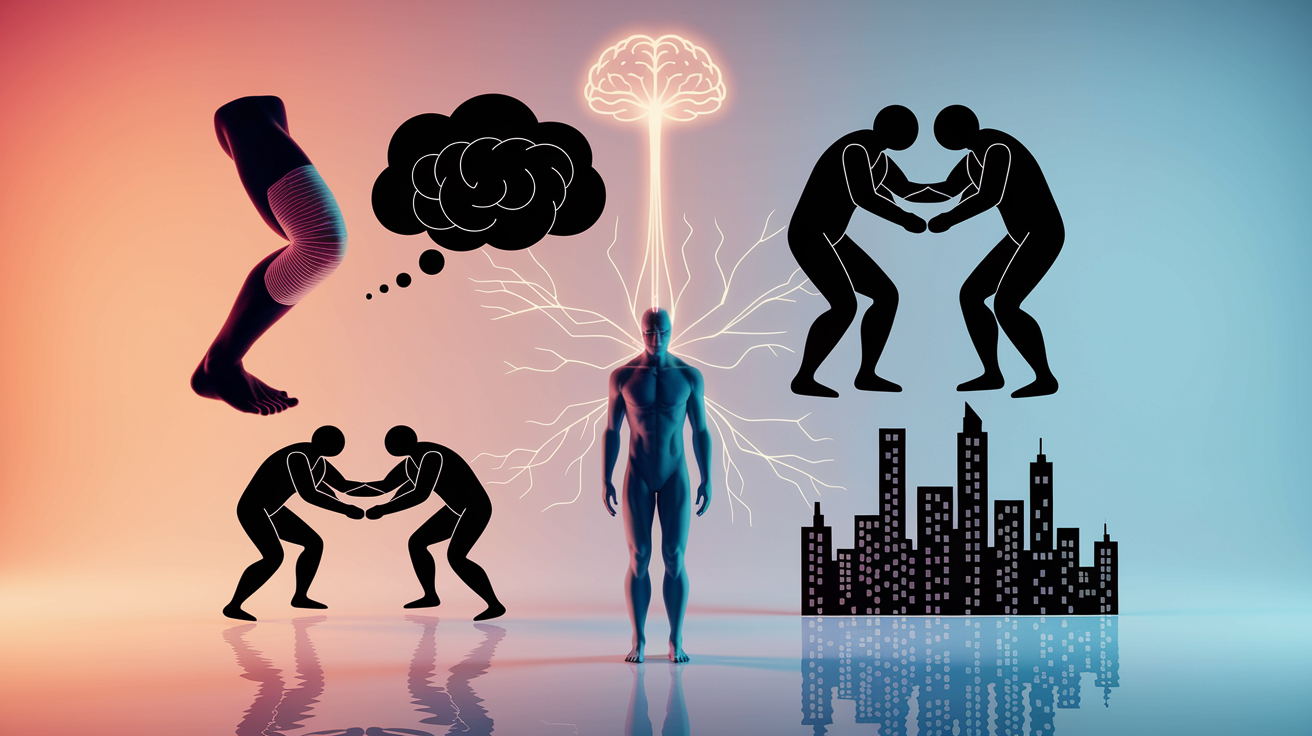
What triggers stress response activation is any situation, thought, or physical change that your brain reads as a demand you need to handle right now. That’s the short answer. The longer answer is that this reading can happen fast, and it doesn’t always need a real emergency to fire off.
Here’s the distinction that matters: a stressor is the thing that starts it all, the event or condition itself. The stress response is what your body does next, the cascade of hormones and physical changes that follow. You can read more about this relationship in Causes of Stress and How the Body Reacts, which covers how the body reacts once a stressor shows up.
Stressors generally fall into four broad buckets:
- Physical or biological: an injury
- Psychological: persistent worry
- Social or situational: interpersonal conflict
- Environmental: prolonged noise
Each of these categories gets its own deeper look later in this article, including how individual differences shape reactions and what’s actually happening inside your body when the alarm goes off.
How Does a Trigger Produce the Fight-or-Flight Response?
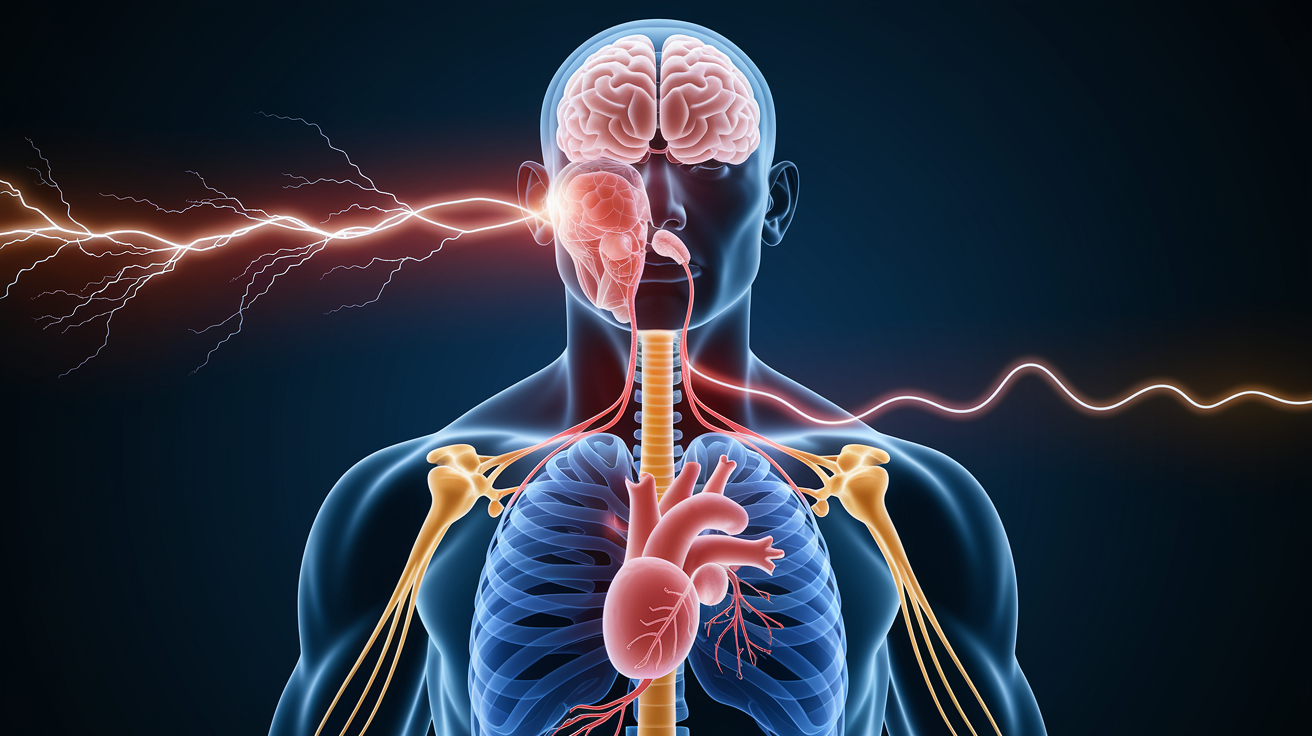
Once your brain’s threat-detection network picks up on something that looks urgent, it sends a signal straight to the hypothalamus, a small control center that kicks off the body’s emergency response. From there, two separate systems take over, each working on a different timeline.
The Fast Sympathetic Pathway
This one’s quick. Within seconds to minutes, your sympathetic nervous system activates your adrenal medulla, which releases epinephrine and norepinephrine (adrenaline and noradrenaline) into your bloodstream. This is the jolt you feel when something startles you. Your heart rate spikes almost instantly, before you’ve even consciously processed what happened.
The Slower HPA Axis
This pathway takes a bit longer to ramp up but sticks around after the initial jolt fades. The hypothalamus releases corticotropin-releasing hormone (CRH), which travels to the pituitary gland and triggers the release of adrenocorticotropic hormone (ACTH). ACTH then signals the adrenal cortex to release cortisol. This whole sequence, hypothalamus to pituitary to adrenal cortex, is called the HPA axis, and cortisol typically peaks around 20 to 30 minutes after an acute stressor. It’s the reason you might still feel keyed up well after the adrenaline rush has passed.
What These Hormones Do
Together, these hormones produce a set of changes designed to help you respond fast:
- Faster heart rate
- Higher blood pressure
- Quicker breathing
- Increased blood glucose
- Blood flow redirected toward major muscles
- Reduced digestive activity
- Heightened alertness and muscle tension
The amygdala plays a big role in flagging the threat in the first place, while the prefrontal cortex tries to assess how serious it really is, and the hippocampus pulls in context from memory to help make sense of it. All three work together. Sometimes smoothly, sometimes not.
This whole system is protective when you’re facing a short burst of real danger. The trouble is, it doesn’t always know the difference between a charging animal and a tense email from your boss, which is why it can feel so uncomfortable when triggered by something that isn’t physically dangerous at all.
How Do Acute and Chronic Stress Triggers Differ?
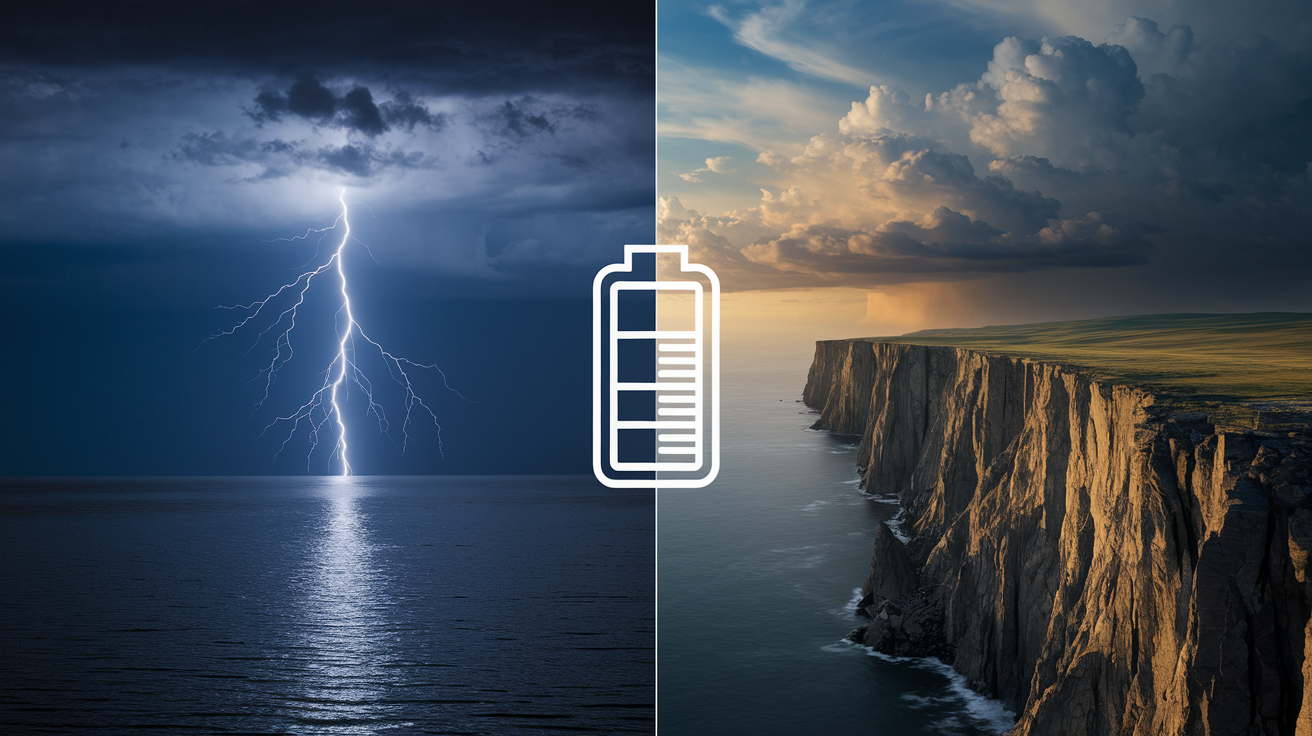
Acute stress is short. It shows up, your body responds, and then things settle back down once the challenge passes, usually within minutes to hours. Chronic stress is different. It doesn’t resolve quickly. Instead, it persists or keeps coming back, sometimes for weeks, months, or even years.
| Feature | Acute Stress | Chronic Stress |
|---|---|---|
| Duration | Minutes to hours | Weeks, months, or longer |
| Frequency or recurrence | Usually a single episode | Repeated or ongoing |
| Recovery pattern | Returns to baseline once resolved | Limited or incomplete recovery between episodes |
| Short-term adaptive function | Supports quick, protective action | Original adaptive benefit fades over time |
| Potential health impact | Minimal when resolved quickly | Cumulative strain on sleep, mood, immunity, and heart health |
Here’s the tricky part. A single acute event doesn’t always stay acute. If the consequences of that event keep demanding your attention, like a car accident that leads to months of insurance disputes, medical appointments, and missed work, the original trigger can morph into something that looks a lot more chronic. The defining feature isn’t the event itself. It’s whether the demand keeps renewing before your body gets a real chance to recover.
This is where allostatic load comes in. Think of it as cumulative wear from repeated adaptation, like a phone battery that degrades a little more with every fast charge cycle. Cortisol and adrenaline aren’t harmful on their own. They’re built into how your body handles challenges. The concern shows up when activation happens too often, lasts too long, loses its normal rhythm, or doesn’t get enough recovery time in between.
Which Psychological and Social Experiences Trigger Stress?

Your brain doesn’t just react to what’s happening. It reacts to what it thinks is happening, and what it thinks might happen next. This is called cognitive appraisal, and it’s a constant, mostly automatic
Final Words
Here’s the short version: your stress response turns on whenever your brain or body reads something as a threat, real, expected, remembered, or a physical imbalance. It named four trigger groups (physical, psychological, social, environmental) and explained fast and slow pathways.
You saw how acute and chronic stress differ, why people vary, how to track personal triggers, and practical ways to calm and reduce sensitivity.
If you’re wondering what triggers stress response in your life, track one pattern for a week and try one small test. Small, repeatable experiments often lead to quick wins.
FAQ
Q: How can I manage stress at work effectively?
A: Managing stress at work effectively means spotting your main triggers, using quick tools like slow breathing or a short walk, setting one small boundary, and tracking what helps for a week.
Q: What is the definition of stress?
A: The definition of stress is the body and mind’s reaction when something feels threatening, demanding, or uncertain, real or imagined, triggering protective changes like faster heart rate and sharper focus.
Q: How to reduce anxiety immediately?
A: To reduce anxiety immediately, try slow 4-4-4 breathing, use 3-3-3 grounding by naming three things you see, hear, and touch, or take a brisk two-minute walk and notice the change.
Q: What could be causing me to feel stressed all the time?
A: Feeling stressed all the time could be caused by ongoing issues like poor sleep, chronic pain, unresolved worry, constant heavy workload, repeated environmental strain, or lifestyle patterns that block recovery.