



Ignoring tiny stress signals is how many people end up in burnout.
If you’ve been shrugging off headaches, poor sleep, or suddenly short tempers, that’s a clue.
These symptoms usually appear together across physical, emotional, behavioral, and thinking changes.
When five or more signs cluster over several weeks, it’s a meaningful early warning your nervous system is overloaded.
This post breaks down what to watch for, clear thresholds you can track, and simple, testable steps you can try today.
Early Warning Signs of Stress Buildup Explained

Stress is your body’s short to medium term response to pressure. It shows up when a deadline looms or a tough conversation is coming, and it usually fades once the trigger resolves. Burnout’s different. It develops after weeks or months of chronic, unmanaged stress, and it doesn’t improve with a weekend off. The buildup is often slow, sometimes stretching over 6 to 18 months before things reach a breaking point.
Here’s the tricky part. Early stress indicators rarely show up one at a time. The strongest early warning is a cluster of subtle symptoms across four categories, physical, emotional, behavioral, and cognitive, appearing together over several weeks. If you notice five or more signs happening at once, that’s a meaningful signal your nervous system is running in overdrive.
So what do these categories actually look like day to day? Each one has its own fingerprint.
- Physical: tension headaches that show up most afternoons
- Emotional: feeling irritable over small, ordinary things
- Behavioral: skipping workouts or hobbies you usually enjoy
- Cognitive: rereading the same email three times before it makes sense
These warning signs are easy to dismiss individually. A headache here, a short temper there. But when signals repeat and cluster together, that’s your body flagging that something needs to change.
The rest of this article breaks each category down in detail, with specific thresholds you can actually measure, like sleep hours, symptom duration, and frequency. You’ll also get a simple self-assessment approach and practical next steps, so you’re not just noticing the signs. You’re doing something useful with them.
Physical Signs of Stress Buildup You Shouldn’t Ignore

Your body often knows you’re stressed before your mind catches up. Physical signs tend to show up quietly at first, a tight jaw here, a restless night there, and they’re easy to write off as random or unrelated. But when they start repeating, they’re worth paying attention to.
Here are the physical signs that tend to show up first:
- Persistent fatigue that lingers despite what looks like normal sleep, especially if it’s daily or ongoing for more than two weeks
- Headaches and jaw tension, including nocturnal jaw clenching and teeth grinding, showing up multiple times a week
- Sleep disturbances, including trouble falling asleep, insomnia, early waking around 2 to 3 a.m., or waking up feeling unrested
- Digestive problems like bloating, nausea, or stomach discomfort that seems to track with stressful days
- Changes in appetite, either eating a lot more or barely wanting food at all
- Frequent illness or a slower bounce back, like catching a cold right after a vacation ends
- Cardiovascular symptoms such as heart palpitations, chest tightness, shortness of breath, sweating, or trembling, particularly if these keep recurring
Think of these symptoms like a smoke detector. One beep might mean nothing. But repeated beeps over days or weeks mean it’s time to check what’s actually burning.
A few thresholds can help you gauge how serious things are getting. Adults generally need 7 to 9 hours of sleep. Regularly getting under 6 hours, or sleep that’s constantly broken, is a red flag worth tracking. Same goes for symptoms lasting more than two weeks, that’s usually the point where a rough patch starts looking more like a pattern.
Emotional and Behavioral Signs of Stress Buildup
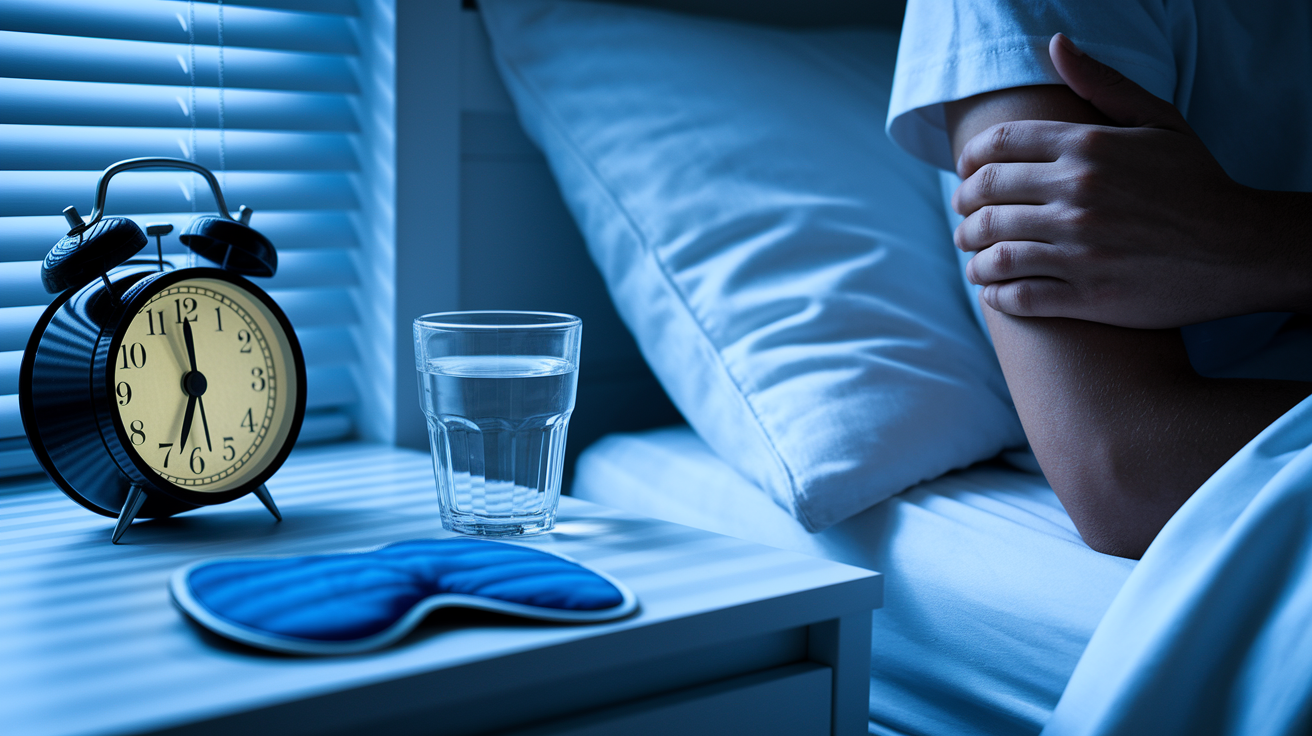
Stress doesn’t just hit your body. It quietly reshapes your mood and your habits long before it becomes obvious to the people around you. These shifts can feel small at first. Maybe you’re a bit snappier than usual, or you’ve stopped answering texts as quickly. But over weeks, they add up into something more noticeable.
Emotional signs of stress
- Irritability and anger that flare up over things that normally wouldn’t bother you
- Anxiety and nervousness that sit in the background most of the day
- Mood swings, where you feel fine one hour and flat or on edge the next
- Tearfulness or crying spells that seem to come out of nowhere
- Emotional numbness, where even good news doesn’t land the way it used to
Behavioral signs of stress
- Social withdrawal, turning down plans you’d normally say yes to
- Decreased motivation and procrastination, where even easy tasks feel heavy
- Reduced productivity and missed deadlines that stretch on for weeks, not just a bad day
- Restlessness and pacing, or feeling like you can’t sit still
- Increased reliance on caffeine, alcohol, or nicotine to get through the day or wind down at night
- Negative self-talk that gets louder and harder to shake
Here’s the thing about these two categories. They tend to travel together, and they’re usually what friends, family, or coworkers notice first. You might not clock your own irritability, but your partner might mention you’ve been short with them all week. Someone at work might notice you’ve gone quiet in meetings. These outward shifts are often the clearest window other people have into what’s happening underneath.
Cognitive Warning Signs of Stress Buildup
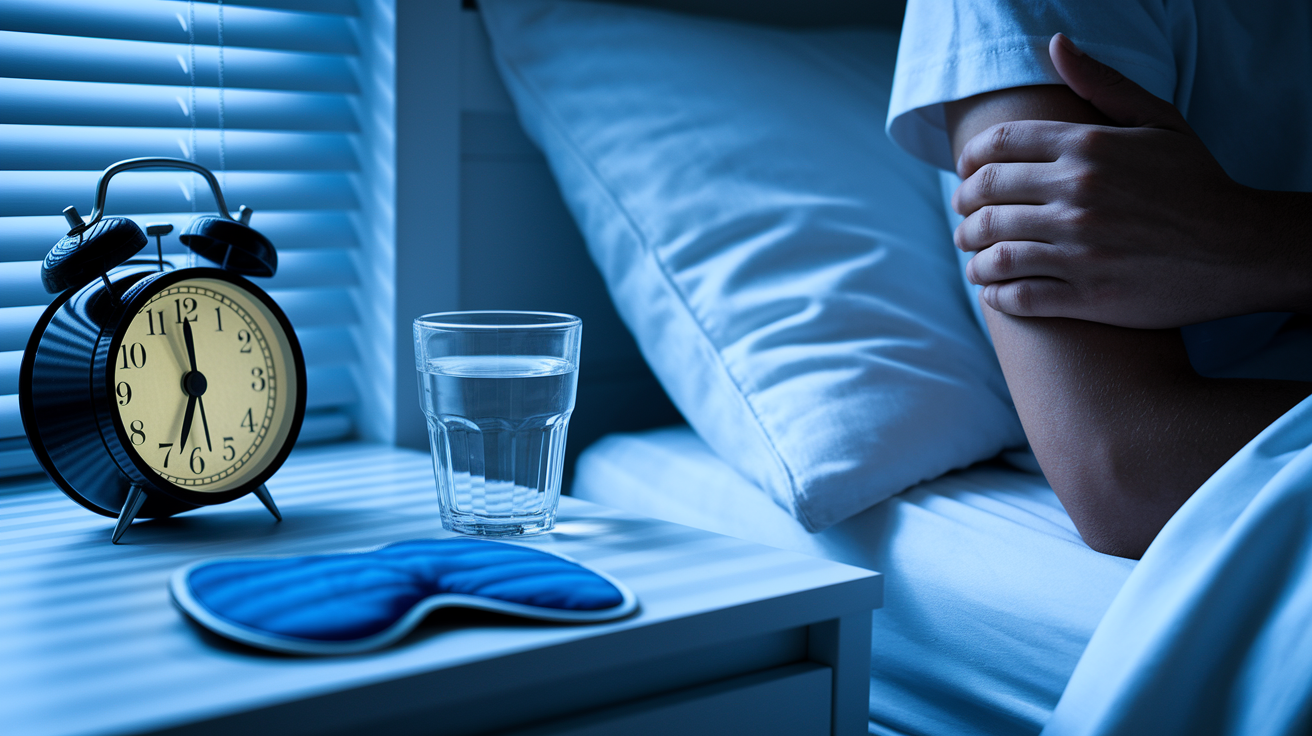
While your body and mood are sending signals, your mind is often struggling too, just more quietly. Cognitive signs can be some of the hardest to catch, because they tend to feel like personal failings, why can’t I focus today, rather than a pattern connected to stress.
Concentration difficulties are often one of the first cues. Tasks that used to take twenty minutes start taking an hour, not because they’re harder, but because your attention keeps drifting. You might reread the same paragraph three times, or completely lose track of a conversation mid sentence.
Memory problems tend to show up alongside this. Forgetting appointments, repeating tasks you already finished, or walking into a room and blanking on why you’re there. It’s not usually a sign of anything serious on its own, but when it’s a daily occurrence, it’s worth noting.
Racing thoughts and rumination are another common piece. Replaying a conversation from three days ago. Running through worst case scenarios before a meeting that hasn’t happened yet. This kind of obsessive thinking can make it hard to switch off.
Final Words
You notice a pattern: low energy, tense muscles, short temper, and fuzzy thinking. Those moments are your body asking for attention.
This article defines stress buildup, contrasts it with acute stress and burnout, and names four clue areas: physical, emotional, behavioral, cognitive.
Track signals for a few weeks. Seeing five or more early warning signs of stress buildup across categories is a clear cue to try small tests, like sleep fixes, short breaks, or less caffeine, and reassess or talk with a clinician.
Small, doable steps plus steady tracking often make a big difference.
FAQ
Q: What are the symptoms of stress-induced inflammation?
A: The symptoms of stress-induced inflammation include persistent fatigue, muscle or joint aches, tension headaches, digestive upset (bloating, nausea), more frequent infections, skin flare-ups, and slower wound healing. Chronic stress raises infection risk and worsens these signs.
Q: How to stop chronic stress?
A: Stopping chronic stress often means tracking triggers, testing small changes (better sleep, gentle movement, fewer stimulants), setting boundaries, and adding daily wind-downs. If things don’t improve after a few weeks, get professional support.
Q: Can being stressed make you sick?
A: Being stressed can make you sick by weakening immune response and increasing inflammation, which raises the chance of infections, slower recovery, and worsening of existing conditions.
Q: What are signs your body is shutting down from stress?
A: Signs your body is shutting down from stress include overwhelming, persistent exhaustion, severe cognitive fog, emotional numbness or detachment, frequent infections or slow recovery, and new chest pain, fainting, or collapse. Seek urgent medical care.