

What if every glance you make could be turned into hard data about what grabs your attention?
Attention tracking uses cameras or sensors plus software to record where you look, how long you look, and in what order, then turns that raw video into gaze points, fixations, and heatmaps people can actually use.
In this post I’ll walk through the step-by-step pipeline—from capture and calibration to gaze mapping and visualization—explain hardware trade-offs, and show what those measures really tell you so you can test them in your own work.
What Attention Tracking Means and Why It Matters
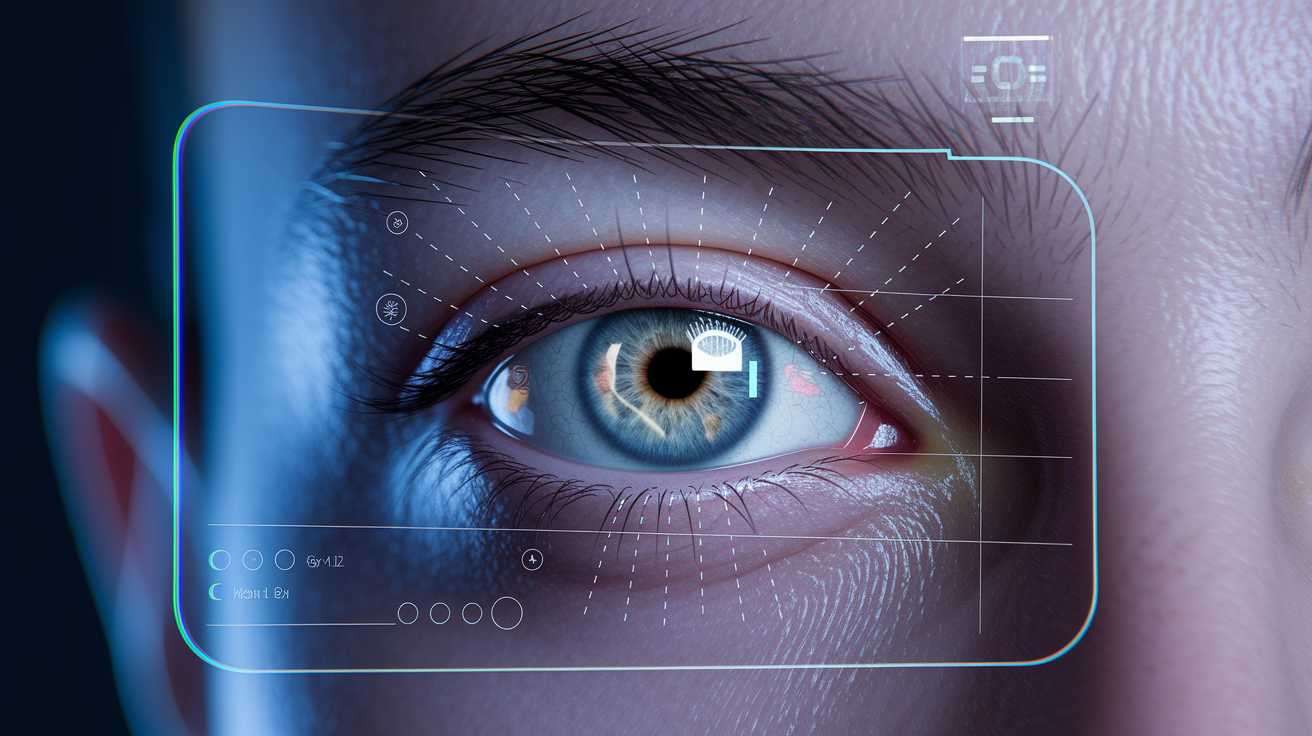
Attention tracking uses cameras or sensors, paired with software, to figure out where a person looks, how long they look there, and in what order they scan a scene. At its core, it’s an answer to a simple but powerful question: what actually caught someone’s eye? Eye tracking, the most common form of attention tracking, converts eye position and movement into hard data. This includes gaze coordinates, confidence values, fixations, and revisits. It’s less about guessing what someone noticed and more about measuring it directly.
Getting from a raw video feed to a usable insight happens in three broad stages. First, the system captures eye or facial data using cameras or specialized sensors. Next, algorithms process that raw footage, picking out the eye features that matter and translating them into something meaningful. Finally, the system converts all of that into outputs people can actually use. Things like gaze coordinates, fixation counts, dwell time, and heatmaps. This pipeline shows up across a surprising range of fields, from psychology labs and UX research teams to marketing departments, healthcare researchers, educators, and sports scientists, all trying to understand where visual attention goes and why.
The Step-By-Step Mechanism Behind Attention Tracking
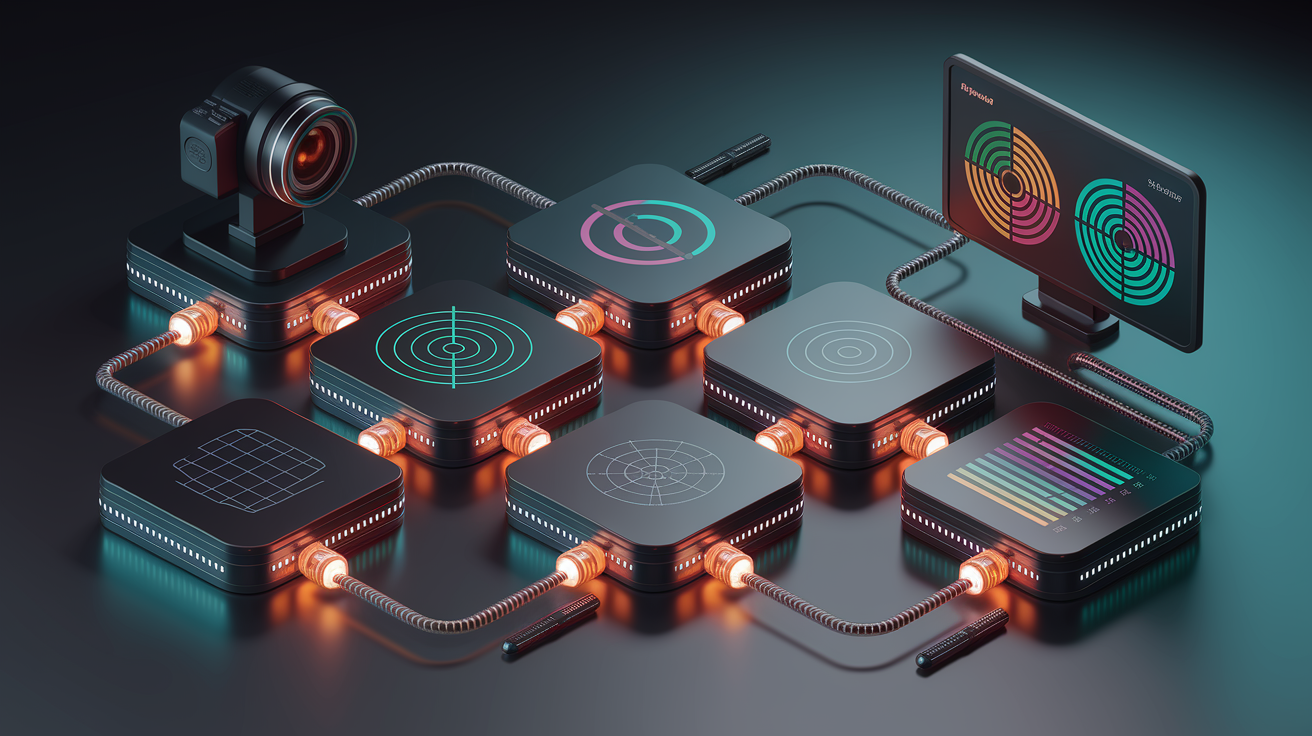
Underneath every heatmap or gaze plot is a fairly consistent technical process. Attention tracking systems, regardless of the hardware behind them, tend to follow the same six stage pipeline to turn raw eye movement into usable data. Here’s how that flow works, from start to finish.
- Capture. Cameras or sensors record images of the eyes or video of the face, gathering the raw visual material the rest of the system depends on.
- Preprocess. Software cleans up that footage and identifies the visual features that matter, like the pupil, eyelids, or facial landmarks.
- Calibration. The system links what it’s detecting to known reference points, usually by having someone look at specific spots on a screen or in a scene.
- Gaze mapping. Using that calibration, the system produces gaze coordinates on a screen or in the world, along with a confidence value for each estimate.
- Metric derivation. From those coordinates, the system derives fixations and dwell time, along with saccades, revisits, and hits on specific areas of interest.
- Analysis and visualization. The final stage turns all that data into something readable, like heatmaps, scanpaths, video overlays, or statistical summaries.
Each stage depends entirely on the one before it. Bad capture leads to messy preprocessing, and a skipped or sloppy calibration step throws off every gaze coordinate that follows. The sections ahead go deeper into the hardware and software driving this pipeline, the accuracy and sampling rates you can expect, and what each of these derived measures actually tells you.
Core Hardware and Software That Power Attention Tracking
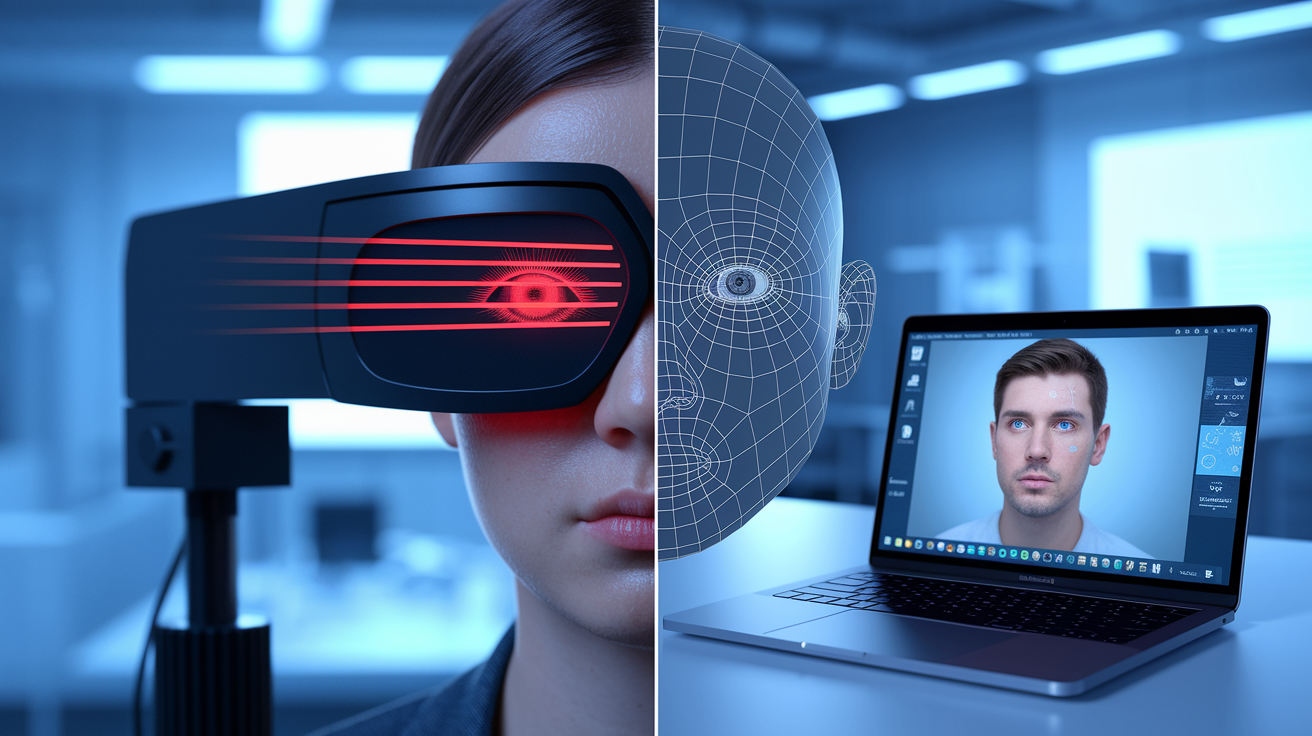
Two main approaches dominate how attention tracking systems actually capture gaze: dedicated infrared trackers built specifically for the job, and webcam-based systems that rely on ordinary cameras and clever software. Each comes with its own trade-offs in accuracy, cost, and practicality. Understanding the difference helps explain why some studies use lab equipment while others run entirely through a laptop camera.
Dedicated Infrared Eye Trackers
Dedicated infrared eye trackers pair specialized cameras with near-infrared illuminators that shine invisible light onto the eyes. This light creates a reflection on the cornea, and the system tracks the relationship between that reflection and the center of the pupil. This approach, known as pupil centre corneal reflection, or PCCR, is the industry standard for precise gaze calculation. By continuously measuring the geometric relationship between the pupil and the corneal reflection, these systems can calculate gaze direction with a level of detail that’s hard to match with a regular camera.
These systems typically achieve spatial accuracy of around 0.5 degrees of visual angle, precise enough to distinguish between nearby elements on a screen. Sampling rates range from 60 Hz up to 1,000 Hz, and research grade devices often run at 250 Hz or higher, capturing rapid eye movements that would otherwise be missed. This makes dedicated trackers well suited to laboratory experiments, reading research where fixations shift quickly between words, sports analysis tracking split second visual decisions, and any study where small differences in gaze position or timing genuinely matter.
Webcam-Based Gaze Estimation
Webcam-based systems take a different route entirely. Instead of infrared light and specialized cameras, they use standard RGB webcams, the same kind built into most laptops, combined with computer vision and machine learning models. Convolutional neural networks analyze the video feed to detect facial landmarks, estimate head pose, and pinpoint pupil position, all without any dedicated infrared hardware. It’s a more accessible setup, since it doesn’t require special equipment. Just a working camera and the right software.
The trade-off is precision. Webcam-based systems typically deliver accuracy in the range of 1 to 3 degrees of visual angle, noticeably broader than infrared trackers, and sampling rates usually sit between 30 and 60 Hz. Performance depends heavily on conditions: poor lighting, low-quality webcams, awkward viewing distances, and head movement can all degrade results. Even with these limitations, webcam-based gaze estimation works well for remote studies, large-scale participant recruitment, usability testing, education research, and marketing studies where lower cost and broader reach matter more than pinpoint precision.
| Comparison Factor | Dedicated Infrared Tracker | Webcam-Based Tracker |
|---|---|---|
| Sensing Method | Near-infrared illumination with pupil centre corneal reflection (PCCR) | Standard RGB camera with computer vision and machine learning |
| Typical Accuracy |
Final WordsWe covered what attention tracking does: cameras or sensors plus software that show where someone looks, for how long, and in what order. You saw the six-step pipeline from capture to visualization, the difference between infrared and webcam approaches, and the main measures—fixations, saccades, dwell time, heatmaps, and pupil changes. Each step turns raw eye data into clearer signals. If you’re wondering how does attention tracking work in practice, try a small, simple test and watch for patterns. It’s a useful, practical tool you can learn from. FAQQ: What are the downsides of eye tracking technology?A: The downsides of eye tracking technology are privacy worries, variable accuracy (especially with webcams), sensitivity to lighting and head motion, higher cost for precise devices, and risks of drawing wrong conclusions from raw gaze data. Q: Is there a connection between ADHD and eye tracking?A: A connection between ADHD and eye tracking exists: researchers find different gaze patterns and attention markers in many people with ADHD, useful for study and screening but not reliable as a standalone diagnostic tool. Q: What does it mean when someone’s eyes move rapidly?A: When someone’s eyes move rapidly, it usually means they’re making saccades—quick shifts of gaze between points; during sleep, rapid eye movement indicates REM sleep, while involuntary rapid movements may signal a medical issue like nystagmus. Q: Does eye tracking actually work?A: Eye tracking does work: systems measure gaze and reveal where people look, but accuracy and usefulness depend on hardware, lighting, and analysis. It’s effective for spotting patterns, not for reading exact thoughts or intentions.  Subscribe for exclusive contentOn Sleep Health Wellness and More, Copyright - All Rights Reserved - 2026 |