


What if “adrenal fatigue” isn’t really a medical diagnosis?
Many people blame it for feeling wiped out, but most energy dips are normal shifts tied to sleep, meals, hydration, stress, or your body’s clock.
This post will help you spot the difference between ordinary, predictable slumps and patterns that might need a clinician’s attention.
You’ll get simple tracking steps to test what’s going on and clear signs that mean it’s time to seek help.
What Your Energy Pattern Most Likely Means

“Adrenal fatigue” isn’t a recognized medical diagnosis. Ordinary energy fluctuations, on the other hand, are common and usually tied to sleep, diet, stress, mood, or your circadian rhythm, which is basically your body’s internal clock.
Most of us feel our energy rise and fall throughout the day. That’s usually just biology doing its thing, not a sign that something’s broken. Here’s a quick way to sort out what your pattern might mean.
| Question | At-a-Glance Answer |
|---|---|
| Recognition | Not an accepted medical diagnosis, but a real experience worth paying attention to |
| Typical Pattern | Predictable dips that ease with sleep, food, water, or a short break |
| Concerning Signs | Fatigue that’s constant, severe, worsening, or paired with other new symptoms |
| Next Steps | Track your pattern first, and see a clinician if it persists or disrupts daily life |
If your low-energy stretches show up around the same time each day and bounce back after rest, food, or a good night’s sleep, you’re probably in the less concerning camp. But if fatigue keeps building, doesn’t respond to the basics, or shows up alongside symptoms that feel new or serious, get it checked out. Don’t just guess.
Defining Adrenal Fatigue and Normal Energy Fluctuation
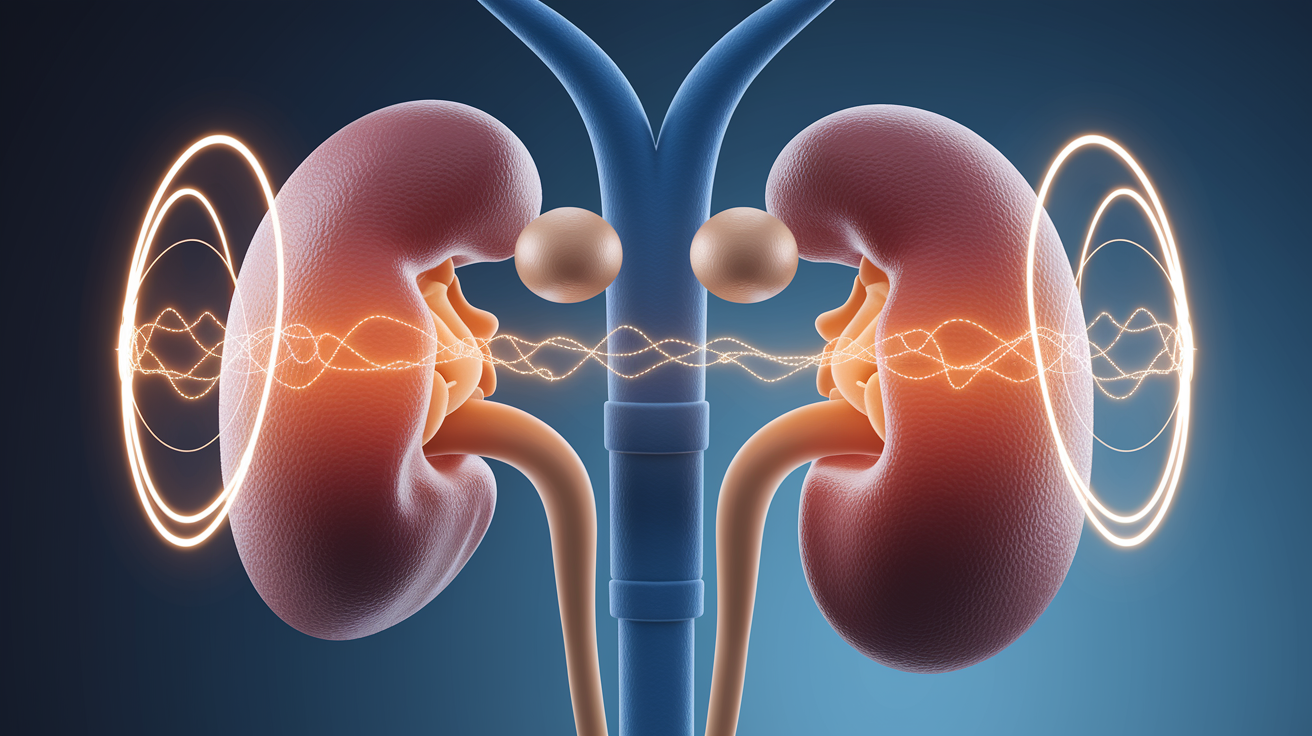
“Adrenal fatigue” is a theory, not a formal medical term. The idea goes something like this: long stretches of stress wear down your adrenal glands, two small glands sitting on top of your kidneys, until they can’t produce enough cortisol. Cortisol is the hormone that helps regulate energy, blood pressure, and your stress response, and it’s part of your endocrine system, the network of glands managing hormones throughout your body. The theory claims that when cortisol production drops, your energy drops right along with it. That’s the whole idea, no more, no less.
Normal energy fluctuation is something else entirely. It’s the everyday rise and fall of alertness and stamina, shaped by your circadian rhythm, how well you slept, what you’ve eaten, whether you’re hydrated, how active you’ve been, and whatever stress you’re carrying that day. Take the mid-afternoon dip, for example. That heavy-eyed slump many people feel a few hours after lunch. It’s common, it’s expected, and it usually passes on its own.
| Aspect | Adrenal Fatigue Theory | Normal Energy Fluctuation |
|---|---|---|
| Meaning | Proposed exhaustion of adrenal glands from chronic stress | Expected shifts in alertness and stamina |
| Proposed or Established Mechanism | Claimed reduced cortisol output after prolonged stress | Circadian rhythm, sleep, food, hydration, and activity |
| Expected Timing | Said to build gradually over weeks or months | Often daily, such as a mid-afternoon dip |
| Usual Duration | Claimed to be long-lasting without intervention | Short-term, easing within hours or after rest |
Comparing Ordinary Energy Dips and Adrenal Disorder Symptoms

Fatigue on its own doesn’t tell you much. It’s one of the most nonspecific symptoms out there. What actually helps separate a normal dip from something worth investigating is timing, how long it lasts, whether physical changes come along with it, and whether rest actually helps.
Ordinary Energy Fluctuations
Most people know this pattern well. It shows up as a predictable slump in the afternoon or a wave of drowsiness after a heavy meal, and it tends to ease once you sleep enough, eat, drink water, move around, or just take a short break. It’s a temporary dip. Not a downward slide.
- Happens at a predictable time of day
- Often connects to a poor night’s sleep
- Tends to follow meals or dehydration
- Improves after rest, food, water, or a change in routine
- Doesn’t come with progressive physical changes over time
Possible Adrenal Insufficiency
This is a different picture. Persistent fatigue that doesn’t let up, a shrinking appetite, unexplained weight loss, salt cravings, low blood pressure, and lightheadedness when standing up can all point toward adrenal insufficiency, a genuine endocrine condition. But symptoms alone can’t confirm it. This calls for objective testing and a clinician’s evaluation, not guesswork based on how you feel.
Possible Cushing Syndrome
Cushing syndrome looks and feels different again. Weight gain concentrated in the face or abdomen, purple stretch marks across the belly, weakness in the thighs or upper arms, higher blood sugar, high blood pressure, and weakened bones can all be part of the picture. This is a progressive cluster of physical changes, not a single tired afternoon. That distinction matters a lot.
| Pattern | Timing and Course | Distinguishing Signs |
|---|---|---|
| Ordinary Energy Fluctuation | Predictable, short
Final WordsIn the action, we mapped what your energy pattern most likely means, defined the theory of “adrenal fatigue” and normal energy fluctuation, compared ordinary dips with signs of adrenal disease, and summarized the research on cortisol and testing. We explained when fatigue can be monitored, when to get a routine check, and which red flags need urgent care. Use tracking to test small changes and bring patterns to a clinician, and it makes the difference between adrenal fatigue vs energy fluctuation and points you to practical next steps. You’ll get clearer answers, one small test at a time. FAQQ: What are the first signs of adrenal fatigue?A: The first signs people call “adrenal fatigue” are often persistent tiredness, afternoon energy dips, trouble waking, and brain fog, though medical societies don’t recognise the diagnosis; track sleep, food, and stress. Q: How long does it take to get over adrenal fatigue?A: Recovery time for so-called “adrenal fatigue” varies and isn’t well defined since it’s not a recognised diagnosis; many people feel better in days to weeks after improving sleep, nutrition, hydration, and stress management. Q: What does an adrenal crash feel like?A: An “adrenal crash” is often described as sudden extreme fatigue, lightheadedness, salt cravings, low blood pressure, and trouble standing, but true adrenal crisis is rare and requires immediate medical attention. Q: Does magnesium help adrenal fatigue?A: Magnesium can improve sleep, muscle relaxation, and mild fatigue for many people, but it doesn’t diagnose or prove “adrenal fatigue”; try a short test and discuss supplements and testing with your clinician if symptoms persist.  Subscribe for exclusive contentOn Sleep Health Wellness and More, Copyright - All Rights Reserved - 2026 |