



What if feeling tired some days isn’t a flaw but a signal?
Most people expect steady energy, but the menstrual cycle often brings a loose rhythm of highs and lows.
Knowing that pattern helps you plan work, workouts, and rest around days you actually feel vibrant.
In this post we’ll map the four phases, explain why hormones and sleep shift your fuel, and give small, testable steps to try this week.
No extremes, just simple tracking to spot patterns and make smarter choices.
The Four-Phase Pattern At A Glance
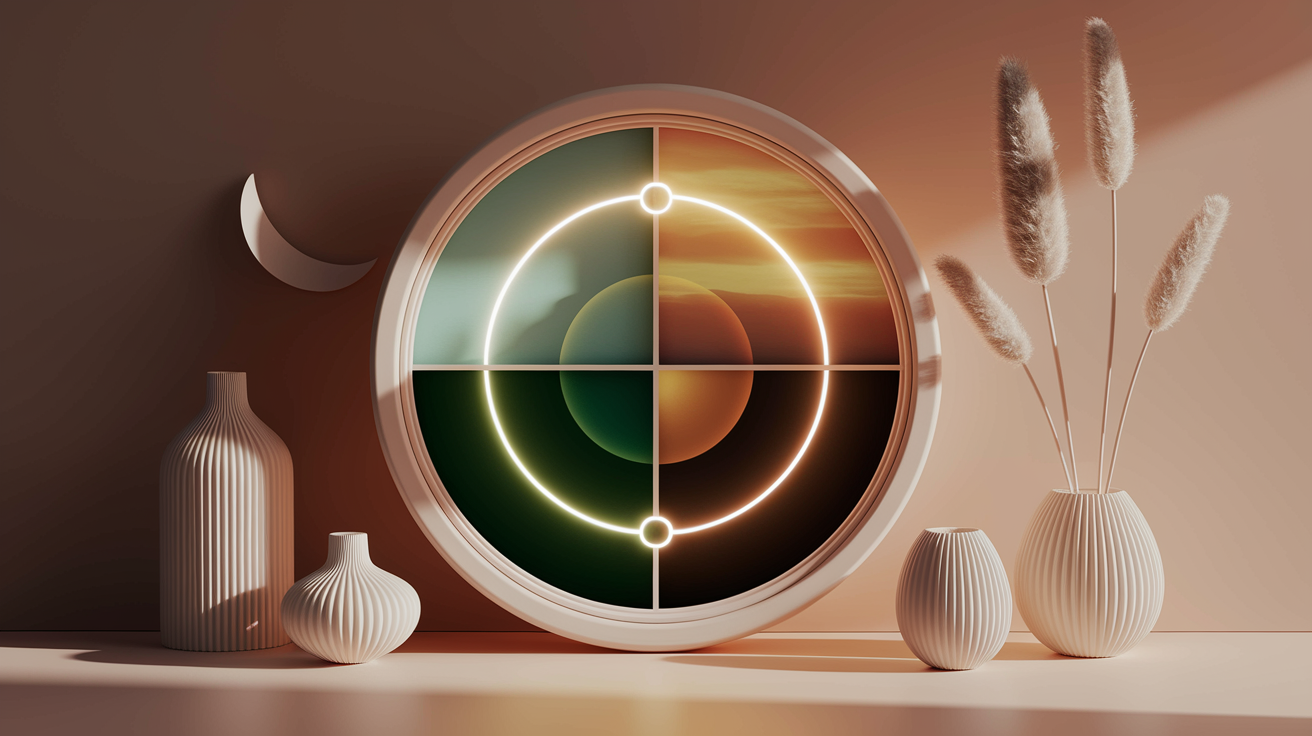
Energy during the menstrual cycle tends to follow a loose pattern, not a strict rulebook. It usually starts lower during bleeding, climbs through the follicular phase, might feel higher for some people near ovulation, and often dips again as the next period gets closer. But that’s a rough map, and it fits some people way better than others.
Period energy shifts come from hormones, sure. They also come from sleep, stress, and how you’ve been eating that week. So treat the pattern below as a starting point for noticing your own rhythm, not a schedule your body owes you.
| Phase | Typical Timing | Dominant Hormonal Change | Expected Energy | Practical Activity Cue |
|---|---|---|---|---|
| Menstruation | Begins day 1, commonly lasts several days | Estrogen and progesterone both low | Often lower | Rest, gentle walking, mobility work, or normal activity if comfortable |
| Follicular phase | Starts day 1, continues until ovulation (overlaps with menstruation) | Estrogen generally rises after bleeding begins | Gradually increasing | Add demanding work or exercise as readiness improves |
| Ovulation | Roughly mid-cycle, not a fixed day | Estrogen peaks, luteinizing hormone surges | Higher for some, unchanged for others | Try harder activity only if it matches how you actually feel |
| Luteal phase | Ovulation through the next period | Progesterone rises then both hormones fall | Less steady, may decline before bleeding | Scale back intensity, prioritize recovery, or keep routine based on symptoms |
Notice the timing overlaps in that table. That’s not a typo. Menstruation actually marks the start of the follicular phase, so both labels share day 1. Also worth remembering, 28 days is just an average. Plenty of adult cycles run anywhere from 21 to 35 days and still count as normal. Treat this table as a description of possible patterns, not a performance guarantee.
Why Hormones And Menstrual Symptoms Affect Energy
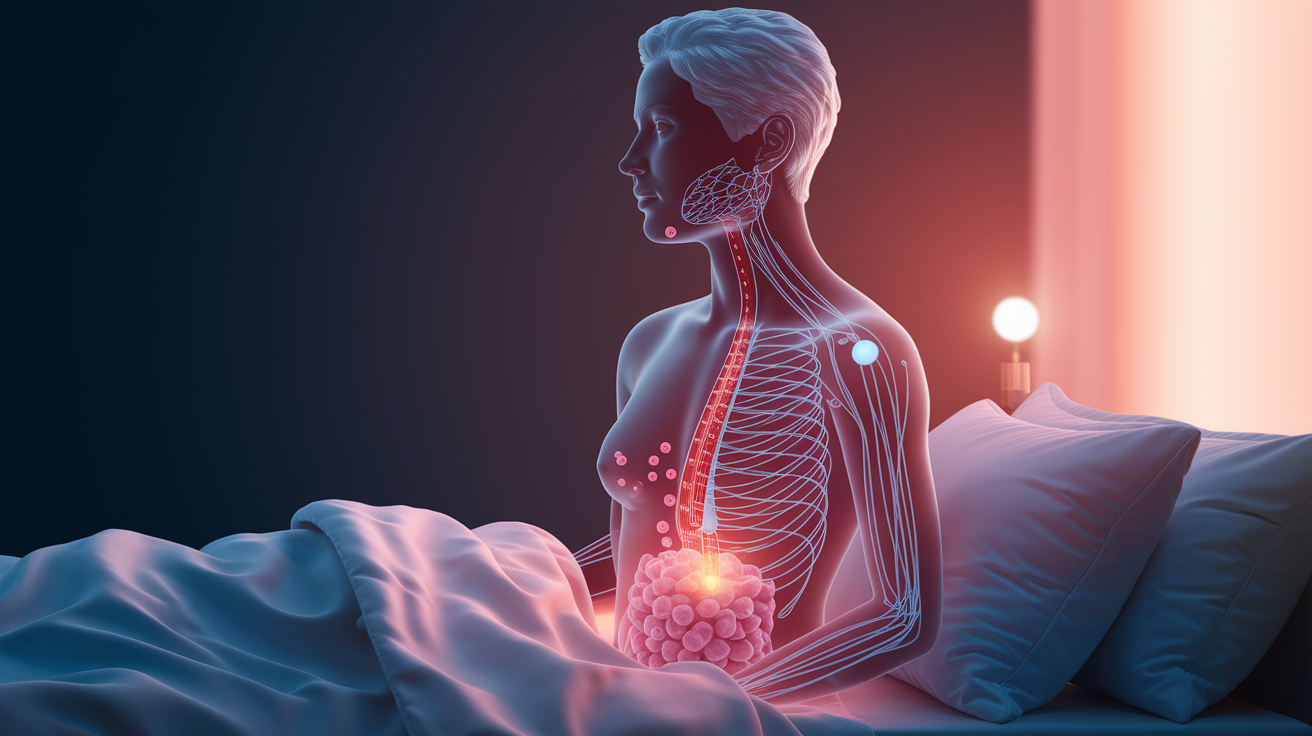
Rising estrogen through the first half of the cycle gets linked to improved mood, better perceived stamina, and easier exercise tolerance for a lot of people. It’s one reason the follicular phase often gets called the “good energy” window. But this isn’t universal at all. Some people barely notice a shift, and stress or bad sleep can easily override whatever estrogen is doing that week.
Progesterone works differently. It has a thermogenic effect, meaning it raises your resting body temperature, typically by about 0.3 to 0.5°C after ovulation. This same hormone interacts with GABA pathways in the brain, which may explain why some people feel drowsier in the luteal phase. Then, right before your period, both progesterone and estrogen drop sharply. That decline is often when sleep gets disrupted, which compounds the tiredness a lot of people already feel premenstrually.
Menstruation fatigue causes go beyond hormones alone. Prostaglandins, the compounds behind uterine cramping, also trigger low-grade inflammation that can leave you feeling drained. Blood loss adds another layer, especially if iron stores are already running low. On top of that, appetite changes, skipped meals, and blood sugar swings can stack on top of hormonal fatigue, making some days feel harder for reasons that have nothing to do with hormones directly. If fatigue during your period feels unusually heavy or won’t let up, it might be worth checking iron levels instead of just chalking it up to a normal cycle thing.
What Each Phase May Feel Like

Think of the descriptions below as possibilities to compare against your own experience, not predictions. What changed on your hardest or easiest cycle days? That’s usually more useful than any general pattern.
Menstruation And The Early Follicular Phase
Bleeding days can bring cramps, headaches, digestive discomfort, and disrupted sleep, all of which chip away at motivation. Menstrual cycle workout tolerance varies a lot here. Some people feel wiped out and want nothing more than a couch and a heating pad. Others feel totally fine and keep training like nothing’s different. Both are normal, and neither means you’re doing something wrong.
The Later Follicular Phase
As bleeding ends and estrogen climbs, a lot of people notice their focus sharpening, mood lifting, and recovery speeding up. Tolerance for longer or more vigorous exercise often improves too. But this follicular phase energy boost isn’t guaranteed. A rough night of sleep, a stressful week at work, or an off day nutritionally can cancel out whatever hormonal advantage this phase might offer.
Around Ovulation
Some people genuinely feel a surge here, more motivation, more sociability, maybe even a sense of extra strength that makes harder workouts feel doable. That’s the ovulation energy surge you might’ve heard about. But it’s far from universal. Plenty of people feel pelvic discomfort, headaches, or just nothing different at all. Ovulation shouldn’t be treated like an automatic peak-performance day for everyone.
The Luteal Phase
Luteal phase tiredness tends to show up gradually. Fluid retention, breast tenderness, food cravings, a warmer body, and lower heat tolerance are all common. Sleep may get choppier, and mood can shift too. Early in
Final Words
Start tracking: many people feel lower energy during bleeding, notice a gradual lift in the follicular phase, sometimes a midcycle surge, and a dip again in the luteal phase. Timing varies between cycles.
Use small, doable tests. Tweak workouts, sleep, hydration, and meals, and note what shifts. Treat these as clues, not rules.
Track for 2–3 cycles to see patterns in your energy levels during menstrual cycle, then pick one small change to try for a week. Small steps add up, you’ll learn what helps and can plan better.
FAQ
Q: What is the 7-2-1 rule for menstruation?
A: The 7-2-1 rule for menstruation is a simple planning guideline some people use: seven days of lighter load, two days of ramping effort, and one day for a harder session. It’s flexible and worth testing.
Q: When in my menstrual cycle do I have the most energy?
A: The most energy in your menstrual cycle usually occurs in the later follicular phase and may peak around ovulation, but timing varies—track symptoms and workouts to discover your own pattern.
Q: When is fatigue highest in the menstrual cycle?
A: Fatigue is often highest during bleeding and in the late luteal days before your period, linked to low hormones, cramps, blood loss, and sleep disruption; check iron and sleep if fatigue is severe.
Q: When are you skinniest during your cycle?
A: You’re often skinniest in the late follicular phase or near ovulation when fluid retention can be lower; the luteal phase commonly brings bloating and small weight shifts, so personal patterns differ.