


Think one good night of sleep erases a week of stress? Think again.
Measuring stress recovery is often treated like a quick checkbox, but it’s really a pattern you track over days to weeks.
In this post I’ll show the key metrics that actually tell you if your body is bouncing back.
HRV (how much the time between heartbeats varies), resting heart rate, sleep length and quality, cortisol checks, grip strength, and a short daily readiness score.
You’ll learn when to measure each, what small shifts mean, and one simple experiment to try this week.
A Practical Overview of Stress Recovery Measurement
Stress recovery is your body’s return toward its normal state after it’s been pushed, whether that’s from a hard workout, a brutal work week, an illness, or a string of bad nights. It’s not just about muscles feeling less sore. It’s your whole system, nervous system, hormones, and sleep patterns, settling back into balance.
Here’s the thing, no single reading proves you’re recovered. One good night’s sleep doesn’t erase a week of stress. One low HRV reading doesn’t mean disaster. Stress recovery measurement works best as a pattern, not a snapshot.
If you’re just starting out, keep it simple. Measure your morning HRV (heart rate variability, or how much the time between your heartbeats changes) and your RHR (resting heart rate) right when you wake up. Jot down how long you slept. Then add a quick 1 to 10 readiness rating, how ready do you feel to take on the day. Do this under the same conditions for 2 to 4 weeks. That’s your starting point.
| Measurement | What It Reflects | When to Measure | Potential Warning Sign |
|---|---|---|---|
| HRV | Autonomic nervous system balance | Immediately upon waking | 10 to 20% drop from personal baseline |
| RHR | Cardiovascular and nervous system load | Immediately upon waking, before standing | Sustained rise of about 5% or more |
| Sleep | Physical and mental restoration | Tracked nightly, reviewed each morning | Below 7 hours or efficiency under 85% |
| Cortisol | HPA axis and stress hormone regulation | Morning (and sometimes afternoon/evening) via saliva | Must be judged against lab reference range and collection time, not a universal home cutoff |
| Grip strength | Central nervous system readiness | Consistent time of day, same hand and device | 20% drop from personal benchmark |
| Subjective readiness | Perceived energy and stress | Daily, same scale and timing | Persistent low scores despite normal objective data |
Recovery scores on wearables typically run from 0 or 1% up to 100, but the thresholds aren’t universal. One device might call 85 or higher strong recovery, while another treats anything above 70% as strong, 40 to 70% as moderate, and below 40% as needing attention. What matters more than any fixed number is your own trend. Compare today’s readings against your own baseline, look at how things shift over 7 to 14 days, and don’t read too much into one day. If you notice persistent symptoms, pain, unusual oxygen readings, or movement that just doesn’t feel right, that’s your cue to check in with a healthcare professional rather than keep adjusting your tracking spreadsheet.
Comparing Common Stress Recovery Measurements
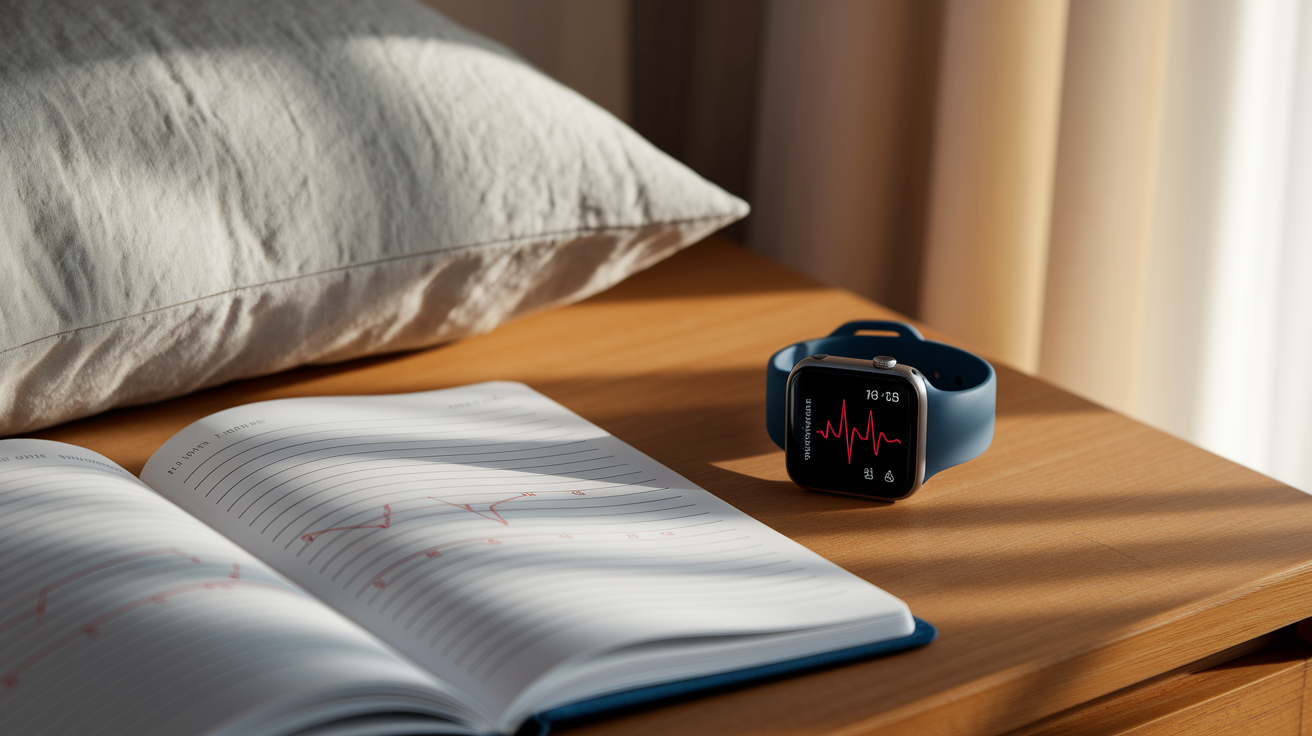
(((alt-img2)))
There’s no single best way to measure stress recovery. It comes down to your budget, what you’re trying to learn, how consistent you can be with tracking, and whether you need clinical grade precision or just a general sense of how you’re doing. Worth noting too, objective readings can be thrown off by device quality, your posture, the time you measure, movement, illness, caffeine, or alcohol. Subjective tools add useful context, but they can be colored by mood and expectations as well.
| Method | Primary Signal | Typical Cost | Convenience | Main Strength | Key Limitation | Appropriate Use |
|---|---|---|---|---|---|---|
| HRV | Autonomic nervous system variability | Free to moderate (app or wearable) | High with wearables | Sensitive early indicator | Affected by position, breathing, device | Daily trend tracking |
| RHR | Resting cardiovascular load | Free | Very high | Simple, no equipment needed | Less sensitive than HRV alone | Daily baseline check |
| Sleep tracking | Duration, efficiency, stages | Free to moderate | High | Captures restorative patterns | Wearable stages are estimates, not clinical | Nightly and weekly review |
| Wearable composite score | Combined sleep, HRV, RHR, temperature, SpO2 | Moderate to high | Very high | One number summarizing multiple inputs | Proprietary, not cross-brand comparable | Daily readiness snapshot |
| Cortisol testing | HPA axis hormone activity | High | Low |