


Do you really need a coach or a lab to know if your muscles are ready to train?
You don’t.
A few morning numbers, a short soreness check, and a simple grip test can tell you a lot, fast.
This post gives a quick daily checklist you can start today, including how to measure resting heart rate and HRV, log sleep, rate soreness and mood, run a short grip-strength check, and a clear rule for when to lighten training.
If flags keep piling up or pain worsens, stop and check with a healthcare professional.
Quick At-Home Recovery Check You Can Start Today
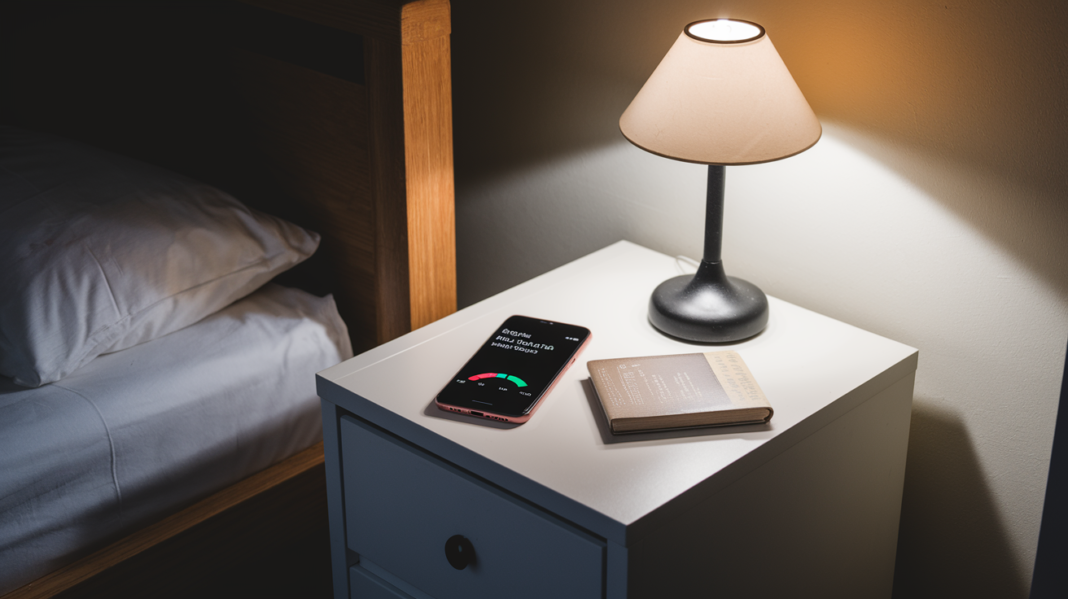
You don’t need a lab or a coach standing over you to figure out if your body is ready to train. A few quick morning numbers, a couple of subjective ratings, and one repeatable physical check can give you a solid read on where you stand. Think of it like a dashboard warning light. One flicker isn’t a big deal. A few lighting up together means something’s worth paying attention to.
The detailed how-to for each of these lives below. This is just your quick-reference list to run through daily.
- Measure resting heart rate right after waking. Flag a result at least 5% above your personal baseline.
- Record HRV (heart rate variability, a measure of how your nervous system balances stress and recovery) at the same time, under the same conditions. Flag a reading below your established personal range.
- Log last night’s sleep duration right after getting up. Flag fewer than 8 hours.
- Rate soreness, energy, and mood about 90 minutes after waking, once that groggy “just woke up” feeling has passed. Flag any score at least 2 points worse than your usual 1 to 10 baseline.
- Do one standardized grip-strength check. Flag a result more than 10% below your personal baseline.
- Scan for pain or illness symptoms. Flag anything new or getting worse.
A few other numbers add helpful context, though they’re not direct muscle recovery markers. SpO2 (blood oxygen level) below 95%, a body-mass drop of 2%, and unusually dark urine can all hint at illness or dehydration brewing in the background.
Here’s the decision rule. Two or more flags means lighter training today. Roughly half your normal volume, easy loads, and skipping failure sets, max lifts, sprints, or anything all-out. If pain, illness symptoms, or abnormal readings stick around across multiple checks, that’s your cue to stop exercising and check in with a healthcare professional.
Subjective Measures: Tracking Soreness, Sleep, and Mood
(((alt-img2)))
A single soreness rating or one rough night of sleep doesn’t mean much on its own. What matters is the shift from your personal normal. Tracking these three measures over time turns a vague “I feel off” into a pattern you can actually act on.
Rating Muscle Soreness on a 1-10 Scale
Give yourself a soreness score each day, where 1 means nothing worth mentioning and 10 means soreness bad enough to limit how you move. DOMS, short for delayed onset muscle soreness, comes from tiny amounts of muscle fiber damage and inflammation after a tough session. It typically peaks somewhere between 24 and 72 hours after exercise, then starts easing off.
Here’s the tricky part. Regular muscle tenderness feels dull, spread out, and gradually improves. Sharp, localized pain, or soreness that keeps getting worse instead of better, or soreness that limits your range of motion, is a different story. That’s your cue to stop and get it checked out rather than push through.
Sleep Quality as a Recovery Signal
Log how many hours you slept and how good that sleep actually felt. Most specialists point to around 8 hours a night as a solid target for recovery. Think of sleep like charging your phone. A short charge gets you through a few hours, but a full charge changes your whole day.
Here’s what sneaks up on people. You can feel like your soreness is fine, but if you’re consistently getting 5 or 6 hours instead of 8, your muscles aren’t getting the repair window they need. The soreness number alone won’t catch that.
Mood and Energy Tracking
Rate your mood and energy from 1 to 10 and compare today’s number to your usual range. Apathy, irritability, mood swings, or that flat, low-energy feeling often show up alongside fatigue and overreaching, sometimes before soreness does.
Record soreness, sleep quality, mood, and energy at a consistent time each day, ideally about 90 minutes after waking, once sleep inertia has worn off. That’s different from your RHR and HRV readings, which get measured immediately upon waking. For the daily decision rule tying these flags together, check back to the quick checklist above.
Physical Self-Tests for Muscle Readiness
(((alt-img3)))
Subjective scores tell you how you feel. A physical test tells you what your body can actually do right now. Pairing the two confirms whether that “heavy legs” feeling is just in your head or shows up as a real, measurable dip in performance. The key is always comparing against your own baseline, not some generic standard that has nothing to do with your body.
- Handgrip strength using a dynamometer (a small handheld tool, around $20 to $70, that measures squeeze force). Test it under the same conditions each time and flag a result more than 10% below your personal baseline.
- Single-leg balance hold, timed on the same surface each session, compared week to week for drops in stability.
- Timed sit-to-stand test, counting controlled repetitions completed in 30 to 60 seconds.
- Overhead squat or single-leg hamstring reach, watching for stiffness, a meaningful change in range of motion, or a noticeable difference side to side.
- Step-up test, or a fixed set of bodyweight squats or push-ups, tracking completion time, reps, and how hard it felt.
Pick one test and run it once or twice a week under consistent conditions, same time of day, same warm-up, same surface if balance is involved. If you want a daily physical check instead, the brief grip test from the opening checklist works well for that.
One rough session doesn’t mean much. A downward trend across several tests does. Never push through sharp or worsening pain during any of these checks, and if pain, illness symptoms, or performance stays abnormal over repeated tries, stop training and talk with a healthcare professional.
Final Words
Combine immediate morning measurements, later subjective ratings, and one repeatable physical check to judge daily readiness. Follow the detailed scoring methods in the checklist for consistency.
Check resting heart rate and HRV right after waking, rate soreness/energy/mood about 90 minutes later, and do a quick grip-strength test. Note optional SpO2, weight, or urine as context. If two or more flags appear, choose lighter training (about 50% volume, easy loads, avoid all-out sets). Pain, illness, or persistent abnormal readings mean stop and see a clinician.
Use this routine to learn how to monitor muscle recovery at home and stay consistent.
FAQ
Q: How to recover muscles faster after a workout?
A: Recovering muscles faster after a workout means prioritizing sleep, protein, hydration, gentle movement, and active recovery within 48–72 hours; try a protein-rich meal within two hours and light mobility work.
Q: What is the recommended cardio recovery rate for different age groups?
A: The recommended heart-rate recovery varies by age: younger adults often see a 20+ bpm drop at 1 minute, middle-aged around 15+, and older adults about 10–12+; slower recovery may need medical attention.
Q: What is the 3-3-3 rule for working out?
A: The 3-3-3 rule for working out usually means starting with three sessions per week for three weeks, then reassess and slowly increase load to build consistency without early overload.
Q: Is it okay to rest 1 week from working out?
A: Resting one week from working out is often okay and helps recovery after intense training; keep light activity, consistent sleep and nutrition, then ease back with lower volume and intensity.