

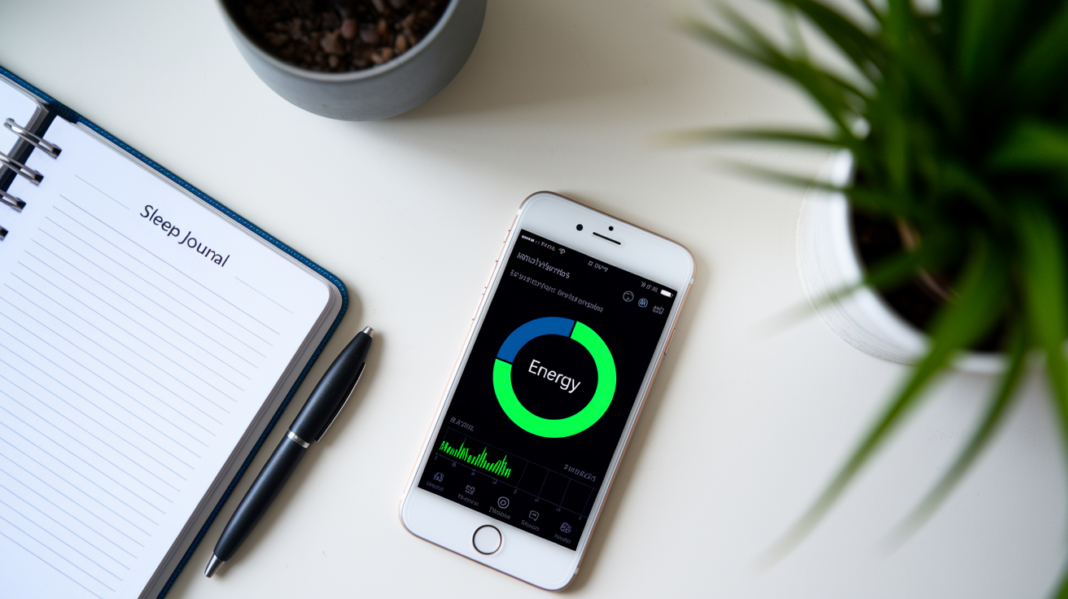

What if your low energy wasn’t random but a pattern you could fix?
BodySignalTracker.com acts like a personal energy detective, matching your dips to sleep, stress, and training.
It cross-checks your logged sleep, heart-rate signals, and workouts to spot likely drains instead of guessing.
Then it offers time-targeted tips, small testable moves like a lunchtime pause, a later sleep window, or a lighter training day.
Read on to see how noticing patterns can turn mystery fatigue into clear next steps you can try this week.
How Potential Energy Drains Are
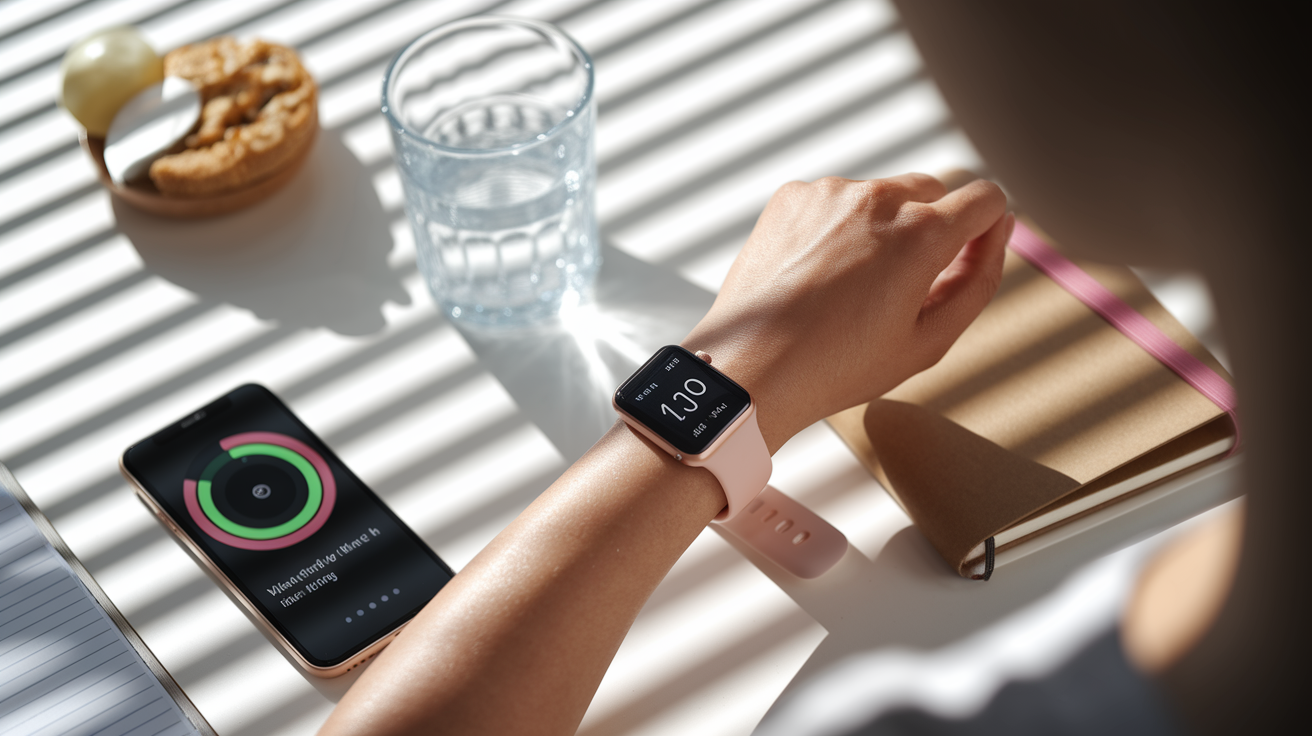
Once a pattern’s been noticed, the next question is usually why. That’s where drain detection comes in, and it works by cross-referencing your energy dips against other things you’ve logged. Did a low-energy stretch line up with a few nights of short sleep? Did it follow a jump in reported stress? Did it show up in the days after a hard workout with not much recovery in between?
Sleep debt is one of the more common culprits worth flagging. If you’re consistently getting less sleep than your body seems to need, that shortfall tends to add up rather than reset each night. A platform that tracks sleep alongside energy is in a decent position to notice when the two start moving together.
Stress correlation works similarly. Elevated stress, whether it’s self-reported or picked up through something like heart rate variability, often shows up a day or two before or during an energy dip. Spotting that overlap doesn’t prove causation on its own, but it’s a reasonable thread to pull on.
Overtraining signals matter here too, especially for anyone logging workouts alongside energy. A hard training block without enough recovery in between can quietly drain energy even when someone feels like they’re pushing through it fine day to day.
| Possible Drain Category | What Gets Cross-Referenced | Why It’s Relevant |
|---|---|---|
| Sleep debt | Logged sleep duration vs. personal baseline need | Cumulative short sleep can compound over days |
| Stress correlation | Self-reported stress or HRV vs. energy dips | Elevated stress often precedes low-energy periods |
| Overtraining signals | Training load/frequency vs. recovery indicators | Inadequate recovery can suppress energy over time |
Whether BodySignalTracker.com frames these as “alerts,” passive dashboard flags, or something else entirely isn’t something to assume. That detail should come directly from the platform’s own descriptions of how it communicates findings to users.
What Time-Targeted Energy Guidance Might Involve

Once patterns and possible drains are somewhat understood, the next step tends toward specificity, guidance tied to particular times of day rather than generic advice tossed out without context. There’s a real difference between telling someone to “get better sleep” and pointing out that their data suggests energy consistently dips around 2 p.m., followed by a suggestion that fits that specific window.
Common categories for this kind of guidance include:
- Timing suggestions. These might address when to eat, when to move around, or when to consider a short rest, based on when dips tend to show up in someone’s own data.
- Recovery timing. This could relate to suggested rest days or lighter training windows following patterns that suggest inadequate recovery.
- Sleep window optimization. Recommendations might touch on consistent sleep and wake times, informed by what someone’s own circadian data suggests works best for them.
None of this should be read as confirmation of specific features, exact algorithms, or particular delivery methods (push notifications versus in-app messages versus something else). Readers who want the real specifics, how suggestions are generated, how often they update, what personalization actually looks like, should check BodySignalTracker.com’s own materials directly rather than relying on general assumptions about how energy-tracking platforms tend to work.
Final Words
In the action, we showed why BodySignalTracker.com puts personal energy levels first, how it gathers signals, turns them into usable views, spots repeating patterns, and flags likely drains so you can test changes.
Next, use those patterns to time choices, sleep, meals, movement, rather than guessing from a crowded dashboard. Try one small experiment this week and track results.
Focusing on personal energy levels gives clear timing insights and a simple path to better days. Small tests add up.
FAQ
Q: What is the best personal energy tracker app?
A: The best personal energy tracker app is one that prioritizes daily energy signals, lets you log sleep and subjective energy, reveals recurring patterns, and syncs with your devices for easy, time-targeted tracking.
Q: What depletes your energy levels?
A: Things that deplete your energy levels include poor or inconsistent sleep, missed or late meals, late caffeine, prolonged sitting, high stress, dehydration, and constant screen or noisy stimulation.
Q: What are the 7 levels of energy?
A: The 7 levels of energy are often framed as a simple scale from very low to very high: exhausted, drained, low, neutral, alert, energized, and peak or highly motivated.
Q: What are the signs of a high energy person?
A: Signs of a high energy person include sustained focus, quick recovery after activity, steady productivity, upbeat mood, regular movement, clear speech and posture, and few mid-day energy drops.